Ant Group’s Hong Kong Trademarks Signal Crypto and Stablecoin Surge
Discover how Ant Group’s strategic ANTCOIN trademark filings in Hong Kong mark a bold step into crypto, stablecoins, and blockchain, shaping Asia’s digital asset future amid regulatory challenges.

Key Takeaways
- Ant Group files multiple Hong Kong trademarks including ANTCOIN for crypto services
- Trademark covers stablecoin issuance, blockchain, cross-border payments, and asset tokenization
- Ant Group invested HK$7.2 billion in Hong Kong fintech infrastructure
- Regulatory tensions exist between Hong Kong’s innovation push and Beijing’s crypto controls
- Prior tokenization of $8.4 billion in energy assets shows Ant’s blockchain expertise
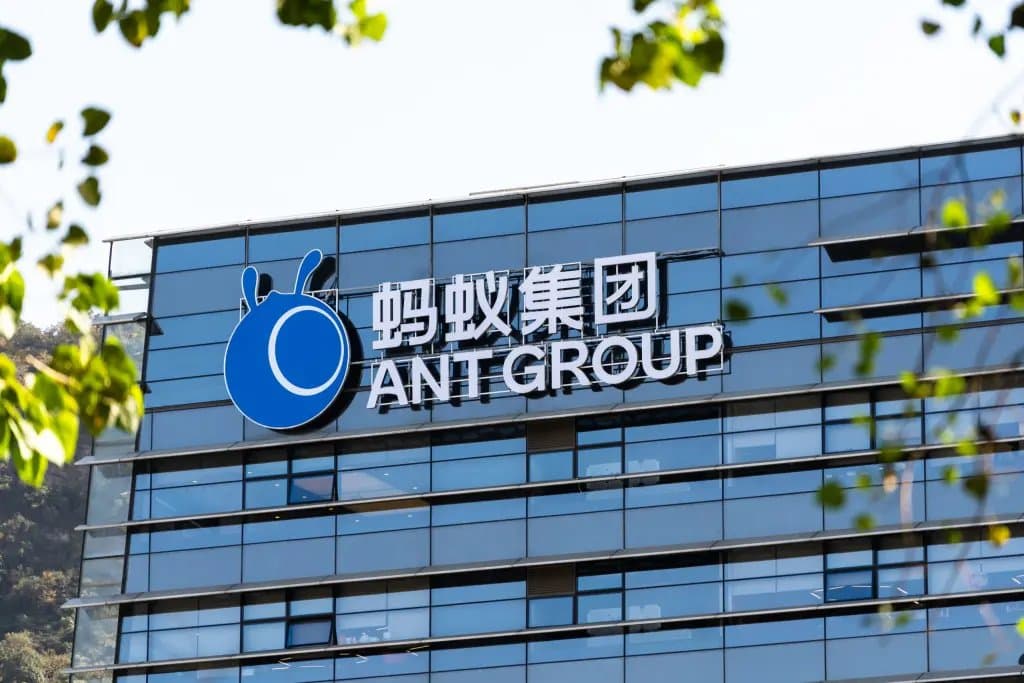
Ant Group, China’s fintech titan behind Alipay, is making waves with its recent trademark filings in Hong Kong tied to crypto and stablecoins. The centerpiece? The ANTCOIN trademark, covering a broad spectrum of digital asset services from stablecoin issuance to blockchain infrastructure. This move aligns with Hong Kong’s ambition to become a global hub for Web3 innovation, blending traditional finance with cutting-edge decentralized tech.
Behind the scenes, Ant Group has already showcased its blockchain chops by tokenizing over $8.4 billion in renewable energy assets, proving it’s not just about buzzwords but real-world applications. Yet, this bold step unfolds amid a complex regulatory dance: Hong Kong’s fintech-friendly environment contrasts with Beijing’s cautious stance on stablecoins and private digital currencies.
This article unpacks Ant Group’s strategic trademark filings, the technical and regulatory landscape, and what this means for the future of crypto and stablecoins in Asia’s financial ecosystem.
Filing ANTCOIN Trademarks
Ant Group’s June 2025 trademark filings in Hong Kong, especially for ANTCOIN, are a clear signal of its ambitions in the crypto space. These trademarks cover a wide range of services, including stablecoin issuance, blockchain infrastructure, online payments, and cross-border transactions. Think of it as Ant planting its flag firmly in the digital asset territory, ready to blend traditional finance with decentralized innovation.
This move isn’t just about securing a name. It’s a strategic shield to protect Ant’s brand in a rapidly evolving market. Joshua Chu, a Hong Kong Web3 expert, points out that despite Beijing freezing stablecoin projects, holding these trademarks ensures Ant can defend its interests in Hong Kong’s growing virtual asset sector. It’s a chess move in a game where regulatory rules keep shifting.
The ANTCOIN trademark’s broad scope suggests Ant Group is preparing for a multi-faceted digital asset ecosystem. From electronic wallets to foreign exchange and token transfers, the filings reveal a vision that goes beyond a single product. It’s about creating an integrated financial web where blockchain and digital tokens are core threads.
Building on Blockchain Success
Ant Group isn’t new to blockchain. Its track record includes tokenizing roughly $8.4 billion worth of renewable energy assets in China through its AntChain platform. This isn’t just tech talk—it's real assets transformed into digital tokens, opening new doors for liquidity and trading.
This foundation shows Ant’s capability to handle complex blockchain projects at scale. The company’s blockchain unit, Ant Digital Technologies, has demonstrated how tokenization can link physical infrastructure to on-chain systems, creating transparency and efficiency.
By leveraging this expertise, Ant Group’s trademark filings hint at plans to integrate blockchain deeply into its financial services. Imagine stablecoins powering cross-border payments on Alipay+, or tokenized assets enhancing investment options. The groundwork is laid, and the technical muscle is evident.
Investing in Hong Kong’s Fintech
Ant Group’s commitment to Hong Kong goes beyond trademarks. The company has invested HK$7.2 billion in local fintech infrastructure, signaling a serious bet on the city’s digital asset ambitions. This investment supports not only technology but also compliance frameworks, crucial for navigating Hong Kong’s licensing requirements.
Hong Kong’s fintech environment is known for being business-friendly, with clear digital asset licensing pathways. Ant’s proactive compliance testing shows it’s gearing up to meet these standards head-on. This preparation is vital, especially given the regulatory scrutiny surrounding crypto and stablecoins.
Such a hefty investment also reflects confidence in Hong Kong’s role as a gateway between East and West. For Ant Group, it’s about building a robust ecosystem that can support innovative financial products while satisfying regulators’ demands.
Navigating Regulatory Tensions
The regulatory landscape is a tightrope for Ant Group. While Hong Kong encourages fintech innovation with progressive policies, Beijing maintains a cautious stance on private stablecoins and digital currencies. Earlier in 2025, Beijing ordered major tech firms, including Ant, to suspend stablecoin initiatives in Hong Kong.
This tug-of-war creates uncertainty. Ant Group’s next steps depend on resolving the issues that led to the freeze, balancing innovation with regulatory compliance. The risk of unauthorized or fraudulent tokens masquerading as legitimate stablecoins adds another layer of complexity.
Trademark protection becomes a vital risk management tool here. It helps Ant safeguard its brand against copycats and scams in a market where high-fidelity fake tokens can deceive users. The regulatory divide between Hong Kong’s openness and Beijing’s control shapes the battleground for Ant’s crypto ambitions.
Shaping Asia’s Digital Asset Future
Ant Group’s trademark filings and investments position it as a key player in Asia’s digital asset revolution. Integrating stablecoins into Alipay’s vast payment network could transform cross-border transactions, making them faster and more inclusive.
Tokenizing real-world assets like energy infrastructure opens new avenues for liquidity and investment, potentially reshaping how assets are traded across the region. Ant’s blockchain expertise and financial scale give it a unique edge to lead this transformation.
However, the ultimate impact hinges on regulatory clarity and cooperation between Hong Kong and Mainland China. For now, Ant Group’s moves are a bold statement: the future of finance in Asia will blend the old with the new, and Ant wants to be at the helm.
Long Story Short
Ant Group’s trademark filings in Hong Kong are more than a branding exercise—they’re a calculated leap into the future of digital finance. By staking claims in stablecoins, blockchain infrastructure, and asset tokenization, Ant is positioning itself at the crossroads of innovation and regulation. The hefty HK$7.2 billion investment underscores a long-term commitment to Hong Kong’s fintech ecosystem. However, the road ahead is layered with regulatory complexities. Beijing’s cautious approach to private stablecoins contrasts with Hong Kong’s open arms, creating a delicate balancing act for Ant Group. Navigating this divide will be crucial for turning trademark ambitions into tangible products that reshape payments and asset management. For investors and market watchers, Ant Group’s moves signal a pivotal moment in Asia’s digital asset journey—where technology, regulation, and finance collide. The unfolding story promises to redefine how millions transact, invest, and interact with money in the digital age.