Are Butterball Turkeys Being Recalled? What Inspectors Found
Social posts claim Butterball turkeys are being recalled, yet federal records show no active whole-turkey recall, even as inspectors flagged salmonella in ground turkey at four plants.

Key Takeaways
- FSIS records show no active Butterball whole-turkey recall; the social posts are unverified chatter.
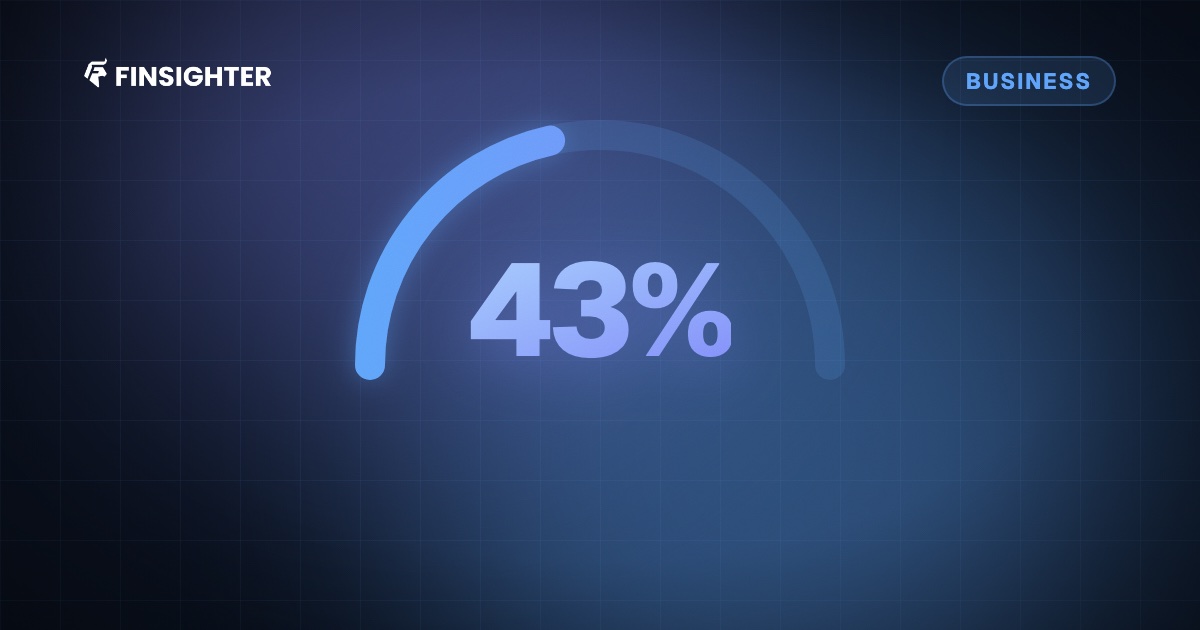
- Just under 43% of ground or chopped turkey samples at four plants contained salmonella.
- Whole birds and ready-to-eat products showed no contamination.
- The 13.5% plant limit carries no fine and no recall duty, only a required explanation.
- Check FSIS, lot codes and UPCs, or call Butterball, before tossing any food.
Your cousin swears she saw it on Facebook: Butterball turkeys are being recalled. Instagram and Threads echo the claim, and panic spreads faster than gravy at a holiday table.
Federal records tell a calmer story. There is no active Butterball whole-turkey recall, and the posts amount to unverified social chatter, not an official notice.
Yet a different story is real. Inspectors found salmonella in ground or chopped turkey at Butterball plants, and still no recall followed. Let's get started.
Debunking Butterball Turkey Recall Claims
Butterball turkey recall chatter sounds like smoke, but there's no fire. Think of a social feed as a game of telephone, where one whisper becomes a headline by dinnertime. Posts on Facebook, Instagram and Threads keep passing the claim along.
The official record tells a calmer story. The USDA's Food Safety and Inspection Service lists no active Butterball whole-turkey recall. Its archive does show a closed 2019 ground-turkey recall, which is history, not a breaking alert.
Yet a rumor that travels fast still lands in real kitchens. Posts with no official notice behind them are unverified chatter, and treating them as fact sends worried shoppers hunting for a problem the federal feed doesn't show.
Reading Butterball's Salmonella Numbers
Here's where the real story hides. Imagine dipping a spoon into a bowl of ground turkey and finding trouble in nearly every other scoop. Inspectors found salmonella in just under 43% of ground or chopped turkey samples across four Butterball plants.
At the Mount Olive plant in North Carolina, the rate sat at 36%. That factory processes 285,000 birds a week and ships raw ground turkey, burgers and sausages nationwide, including to Walmart, Costco and Kroger.
But the picture isn't uniform. Whole birds and ready-to-eat products showed no contamination. The trouble sits in the raw ground and chopped aisle, not in the roasting-pan centerpiece.
Explaining the Missing Recall
A score like that sounds like it should trigger a recall. It doesn't. Picture a speed limit with no ticket attached: the rule exists, yet crossing it doesn't pull a single package off the shelf.
The USDA's limit for individual plants is 13.5%. A slaughterhouse that exceeds it faces no fine and has no duty to recall products. It simply has to explain how it is addressing the problem.
That gap is why the findings and the recall rumor point in opposite directions. Inspectors found a problem, yet the system asks for an explanation rather than a product pull, and that response now decides what comes next.
Weighing Butterball's Rebuttal
Butterball isn't shrugging. A spokesperson says food safety is critically important and that the company keeps investing in new technologies and stronger processes. Think of a chef insisting the kitchen is spotless while the inspector holds up a swab.
Alice Johnson, the company's senior vice-president of food safety, argues FSIS should measure how much salmonella a sample holds, not just whether it is present. Butterball also joins an FSIS pilot program studying the cause of foodborne illness and points to pre-cooked products with none.
Experts interviewed by SourceMaterial disagree. Sarah Sorscher of the Center for Science in the Public Interest says less is better, but none is better still. Main rival Jennie-O saw 7% of ground and chopped samples test positive for pathogens, a useful yardstick.
Verifying Any Butterball Turkey Recall
Skip the scroll and go to the source. Think of the FSIS recalls page as the town record office: dull, official and right. It lists active and closed recalls, and posts product labels and distribution lists when one is live.
Compare package lot codes and UPCs with any posted notice before discarding or returning food. Still unsure? Butterball's contact page lists a consumer phone line and email, and the Turkey Talk-Line is there too. The USDA Meat and Poultry Hotline is another route.
Kitchen habits matter as well. Salmonella lives in poultry intestines and can cause nausea, diarrhea and even death if meat isn't cooked properly. Verify first, then handle raw poultry with respect.
Long Story Short
So, are Butterball turkeys being recalled? No. FSIS lists no active Butterball whole-turkey recall, and the 2019 recall in its archive is closed. The rumor falls apart against the official record. The unsettling part isn't the rumor, it's the real data. Just under 43% of ground or chopped turkey samples carried salmonella at four plants, while whole birds and ready-to-eat products showed none. The 13.5% limit comes with no fine and no recall duty. Check the FSIS page, match lot codes and UPCs, and call Butterball or the USDA hotline when a post feels off. Cook raw ground turkey properly. The USDA now requires Butterball to explain how it is addressing the issue, and that answer decides whether this ends as a company explanation or a wider enforcement fight. Until then, trust the record over the feed.