Bank of England Rate Hike: Why Inflation Is Heading Toward 5%
Decode the Bank of England rate hike to 4%, from the energy shock behind rising inflation to a lone hawkish dissent, and what the decision means for mortgages and the next move.

Key Takeaways
- Bank Rate rose by 0.25 percentage points to 4%, the first hike since 2023.
- Inflation sits at 3.5% and is projected to approach 5% around mid-2027.
- Household energy bills and motor fuel explain around 60% of the overshoot above target.
- One lone dissenter wanted a bigger 0.5 point hike, while the Committee calls policy not on a pre-set path.
- Two-year mortgage pricing already climbed by close to 50 basis points since the start of autumn.
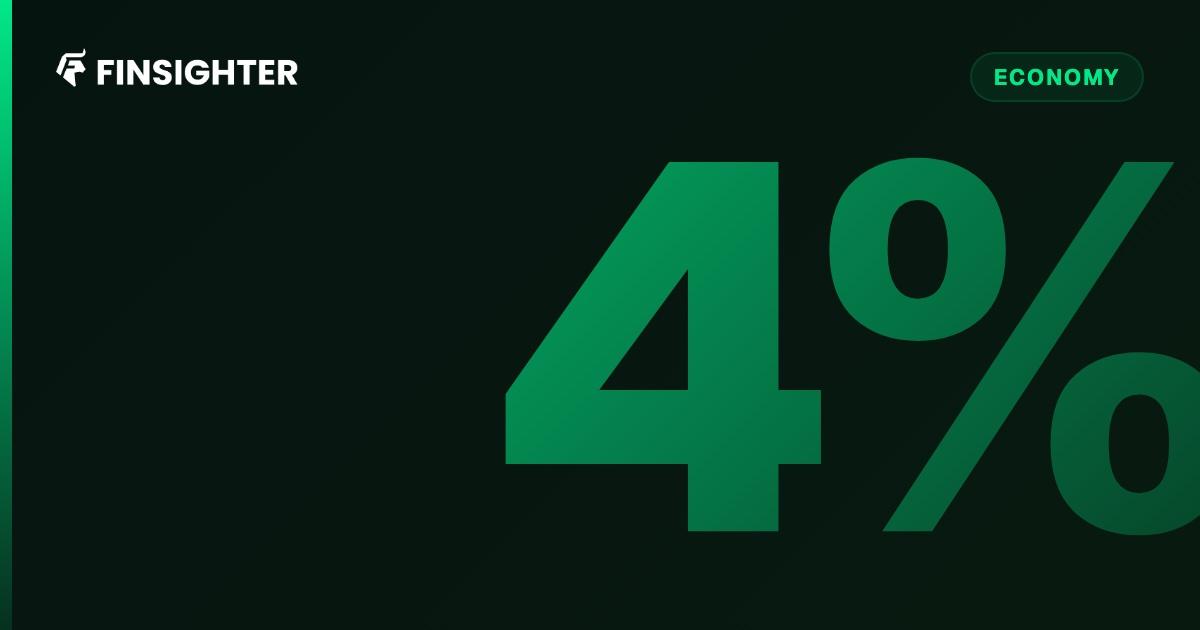
Britain's central bank just touched the dial. The Bank of England raised Bank Rate to 4%, its first increase since 2023, and the markets barely blinked because they saw it coming.
What made people sit up was the warning attached. Inflation is projected to approach 5% around mid-2027, and energy prices, pushed up by a costly war far away, are the main driver, with stronger-than-expected activity data also adding to the case for the hike.
This article walks through the decision, the energy shock behind it, the forecast, the lone dissent and what it means for borrowers. Ready to read between the lines? Let's get started.
Reading the Rate Decision
Think of Bank Rate as the volume dial on the whole British economy. The Bank of England turned it up a notch, the first hike since 2023, after holding steady at 3.75% in July and September.
The Monetary Policy Committee lifted the rate by 0.25 percentage points to 4%. Markets had priced the move at better than 99% before the announcement, so the real news sat in the tone rather than the number.
Yet the Bank refuses to hand out a script. Policy is not on a pre-set path, which means every meeting is a fresh vote rather than the next step on a staircase. Borrowers should read that as an open question, not a promise.
Tracing the Energy Shock
Inflation here is less a runaway train than a leaky pipe, and the leak sits in the energy bill. A conflict in the Middle East, now in its ninth month, keeps pushing up what households pay to heat homes and fill tanks.
Annual inflation reached 3.5% in September. Utility bills and motor fuel explain around 60% of the overshoot above target, and diesel at the pump sits around 40% higher than before the conflict began.
Britain is a net energy importer, so it feels every swing in global prices. The Bank has also flagged that, unless the fighting moves toward a settlement, energy-driven price risks tilt higher.
Forecasting the Inflation Peak
A forecast is a weather map, and this one shows a storm front arriving in mid-2027. The Bank expects inflation to approach 5% around mid-2027, after running near 4½% in the opening months.
Budget measures take a bite out of that peak, trimming it by a quarter of a percentage point. Even so, the climb is steep for a country that watched inflation sit at 2.6% in June.
Still, a peak is not a permanent address. Energy effects fade and tight policy keeps pressing, so inflation is projected to drift back toward the 2% target. There is also limited evidence so far of knock-on effects on wages and other prices.
Hearing the Hawkish Dissent
Eight members said yes to a quarter-point move, and one wanted to slam the pedal harder. Catherine Mann preferred a 0.5 point rise to 4.25%, the loudest voice for tougher action.
That dissent matters because the September meeting held steady on a split of 6-3. Governor Andrew Bailey said he can see the argument for a further increase. Before the decision traders priced a one-in-four chance of another move in December, and afterwards about 50%.
But the Committee is not singing from one hymn sheet. Alan Taylor insisted this is not the start of a hiking cycle. The message to readers is simple: expect debate, not a one-way road.
Feeling the Mortgage Squeeze
Rates do not wait for the official announcement. Lenders price their loans off market expectations, so the cost of borrowing started climbing well before the vote landed.
Typical two-year mortgage pricing has climbed by close to 50 basis points since the start of autumn. The two-year gilt yield, a close cousin of those rates, added another 4 basis points to reach 4.782% on announcement day.
The cruel twist is timing. Households facing higher energy bills now meet higher loan costs as well, and the Bank itself describes the case as one for modestly tighter policy. Modest on paper still lands hard on a monthly budget.
Long Story Short
The Bank of England's hike is less a surprise than a signal. Bank Rate now sits at 4%, inflation is on course to near 5%, and the main driver is energy prices, with stronger-than-expected activity data also adding to the case for the hike. For households, the practical lesson is that borrowing costs already moved before the decision arrived. Check what your own loan terms look like, build a cushion for higher bills, and treat any claim that this is the last hike with the same caution the Bank itself shows. The next decision lands on 17 December. Until then, utility bills and fuel remain the main driver of the overshoot, and the Bank sees limited evidence of knock-on effects on wages.