Bitcoin Sinks as Rising Inflation and Higher Rates Squeeze Crypto
Explore why Bitcoin keeps sliding as hotter inflation and stubborn Treasury yields make bonds more tempting, and what gold, ETF flows and the Fed's next move say about the road ahead.

Key Takeaways
- Bitcoin slipped below $65,000 on November 17 as Treasury yields stayed elevated and Fed policy stayed uncertain.
- A 10-year yield above 5% makes boring bonds look sexy next to a coin that pays nothing.
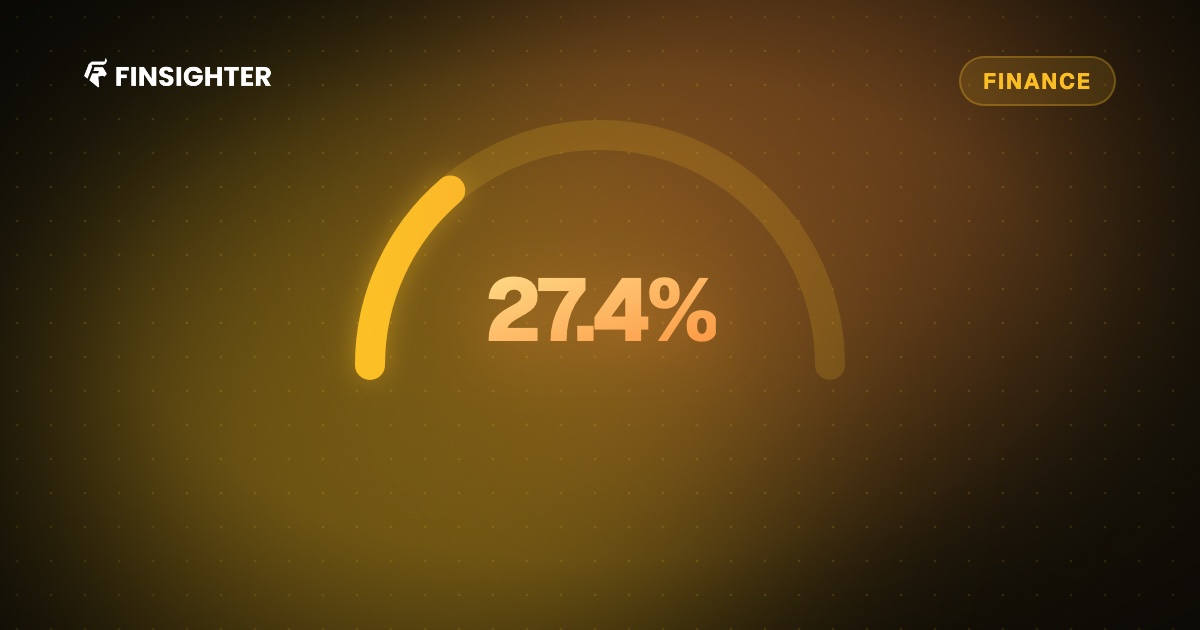
- Inflation at 3.7% did not rescue Bitcoin; it fell 27.4% over the past year while prices rose.
- Gold beat Bitcoin over five years and central banks keep stockpiling it, though gold has its own rough patches.
- The bull case needs a Fed that cuts rates while money supply growth speeds up.
Imagine owning an asset sold as protection from rising prices, then watching it sink while prices climb. That is Bitcoin's autumn. On November 17, it slid under $65,000.
Two forces are leaning on its chest: Treasury yields holding above 5% and inflation running hotter than expected. Meanwhile, gold keeps winning the hedge debate among central banks.
Is the slide a warning flare or a clearance sale? Our sources pull in different directions, so we weigh all of them. Let's get started.
Bitcoin Slipping Below Support
Bitcoin is behaving like a tenant who keeps missing rent: the floor it stood on a week ago has quietly given way. Coinpaper reports the coin slid under $65,000 on November 17.
That drop followed a crash that exposed the lowest levels in several months, and traders now eye the psychological $60,000 line. Winning back the $65,000 mark is the first job. Fail, and the recent intraday low gets another visit.
Still, a bounce is not off the table. A sustained move back above that mark opens a recovery toward previous support, which now doubles as resistance. Hope exists, but it is wearing a hard hat.
Treasury Yields Squeezing Crypto
Money has gravity, and right now it pulls toward bonds. When the benchmark Treasury yield sits above 5%, a safe government paycheck makes a coin that pays no interest look like a pricey bet.
The official data show the yield peaking at 5.15% before easing only slightly. Borrowing costs stay high, which makes interest-bearing assets more competitive with riskier picks like Bitcoin. October's 6.5% producer inflation reading renewed worries that the Fed must stay restrictive.
Yields are not the whole story, though. ETF withdrawals, leveraged positions and thin market liquidity all fed the volatility. Rates set the mood; the rest of the market supplies the plot twists.
Inflation Testing Bitcoin's Hedge
Bitcoin's pitch is simple: a fixed supply in a world of expanding dollars. Hedge fans love that story. The price chart tells a messier one.
Consumer prices rose 3.7%, and Bitcoin fell about $1,000 on the hotter-than-expected report because hot inflation raises the odds of Fed rate hikes. Over the past year the coin lost 27.4% while prices kept climbing.
Squeezed wallets matter too. When households have less spare cash, riskier assets like Bitcoin are often the first thing cut, and energy-driven inflation tied to the ongoing war with Iran is not an obvious friend.
Gold Outrunning Bitcoin
Gold is the old marathoner; Bitcoin is the sprinter who keeps pulling a hamstring. Over five years, spot gold climbed 126.1% against Bitcoin's 28%.
Central banks are stockpiling gold at an accelerating pace, and those official buyers hold for years. That is steady, large-scale demand Bitcoin simply lacks. Gold also stayed nearly flat over the past year while Bitcoin sank.
But gold is no fortress. In its last big inflation test, it slid 15.7% while prices surged. Bitcoin rewards patience, though: long-term holders have been paid for the pain.
Watching Money Supply Signals
The next plot twist lives in the pace of the money printer. J.P. Morgan Asset Management's 2027 outlook casts Bitcoin as a bet that governments keep creating money, diluting what already circulates.
M2 grew 5.7% in the year through August 2026. Right now, though, the Fed is moving the opposite way, with markets expecting another rate hike before year-end.
If slowing growth forces rate cuts while prices keep climbing, borrowing gets cheaper and money supply growth is likelier to speed up. That is the setup where Bitcoin's fixed supply earns its refuge label. Until then, producer prices are the signal to watch.
Long Story Short
Bitcoin is caught between pricey borrowing and stubborn inflation. Higher yields make bonds attractive, hot prices keep the Fed cautious, and gold enjoys a steady central-bank bid. Even so, the coin has rewarded patient holders over the long run. So what now? Watch the $65,000 line first, then the $62,000 floor. Size any position for whiplash, since Bitcoin once leapt 29.1% in two months and fell 27.4% in a year. Treat it as a long-horizon holding, not a monthly inflation shield. The outlook hinges on the Fed. If rate cuts arrive while prices are still climbing, the hedge story finally gets its real exam. Until then, expect bumpy roads and keep your nerve.