Chase, Bank of America, Wells Fargo Outage Leaves Customers Waiting
Trace what Chase said about its software bug, how reports spread to Bank of America, Wells Fargo and Zelle, what a bank outage proves, and what stays unconfirmed.

Key Takeaways
- Chase blamed a software bug in on-premise hardware systems, not a cyberattack, and said transactions were processing normally by Monday evening.
- Downdetector lit up for Chase, Bank of America, Wells Fargo, US Bank and Truist, but a tracker measures frustration, not root cause.
- Zelle is a bridge between banks, so trouble at one institution slows payments at another.
- Chase said customers kept access to their accounts and funds, so a slow transaction isn't a vanished one.
- No verified confirmation shows a single nationwide outage across all major banks, whatever the headlines imply.
Monday morning, and the money apps stopped cooperating. Customers of Chase, Bank of America, Wells Fargo, US Bank and Truist reported trouble reaching accounts and completing payments.
Chase pointed to a software bug in on-premise hardware systems and said there was no evidence of a cyberattack. By evening, it reported transactions processing normally. Zelle users, meanwhile, ran into delays of their own.
So what actually broke, and what do the reports really prove? Let's get started.
Tracking the Bank Outage
Picture a Monday morning where your money app simply shrugs at you. That's what customers of Chase, Bank of America, Wells Fargo, US Bank and Truist described, reporting trouble with logging in and finishing payments.
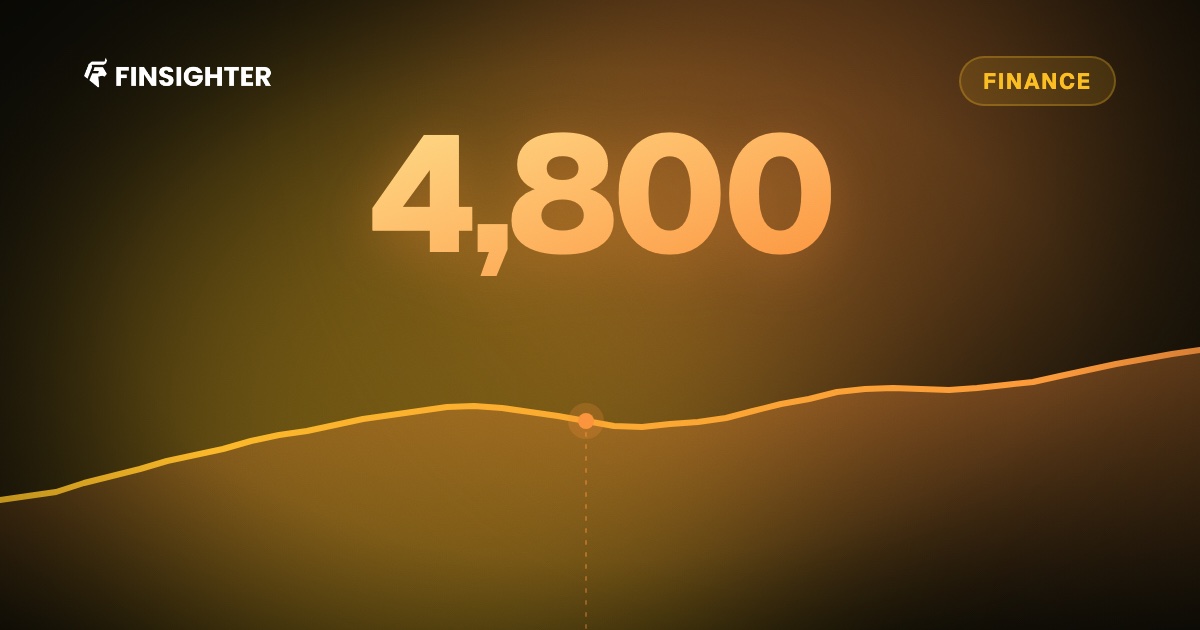
Downdetector told the loudest part of the story. Chase drew over 4,300 reports, and CBS News later counted nearly 4,800, the most of any bank. Bank of America breached 1,000, while Wells Fargo and US Bank each sat in the hundreds.
Still, a tracker measures frustration, not root cause. The reports don't prove every bank hit the same fault, and the exact services affected, from mobile apps to card payments, stayed unclear.
Unpacking Chase's Software Bug
Think of Chase's explanation as a plumber blaming one stubborn valve. The bank pointed to a software bug in on-premise hardware systems and said there was no evidence the problem was cyber-related.
Its message to customers stayed consistent: some transactions were taking longer than usual, but accounts and funds were still accessible. Online, the picture looked messier. One customer logged in but couldn't see a routing number, others couldn't log in at all, and a Texas customer heard a teller say the system was down during a check deposit.
By Monday evening Chase said transactions were processing normally and called the problem not systemic. Yet the bank offered few specifics, and the full count of affected customers couldn't be established.
Untangling Zelle's Role
Zelle is less a bank than a bridge. Consumers don't hold a separate Zelle account, and Zelle doesn't hold their funds, so every transfer leans on the banks standing at either end.
That's why a hiccup at one institution travels. US Bank said its own systems weren't directly impacted, but warned that clients sending or receiving Zelle payments with another institution faced possible delays. Zelle said it was operating as it should, while some users saw messages promising payments would go out once service resumed.
So who's to blame? The reports don't confirm that every Zelle complaint traced back to Chase. Zelle itself pointed to problems at users' own financial institutions as a cause of the delays.
Weighing Cyber Fears
Whenever screens go dark, the mind jumps to hackers. The timing fed that instinct, with the cybersecurity community on heightened alert given the rise of AI and its use in hunting for weaknesses.
Recent weeks brought a Microsoft outage that lasted hours and hit Outlook, Teams and Copilot, plus a nationwide FAA ground stop on Friday. Both organisations said cyberattacks weren't behind them. Grocery stores in Europe did suffer attacks that heated freezers to 120 degrees Fahrenheit.
Yet a pile of scary headlines isn't evidence. Chase repeatedly said its issue was not cyber related, and no verified confirmation shows a single nationwide outage across major institutions. Coincidence makes great drama and weak proof.
Surviving a Bank Outage
Nobody wants to be the person staring at a spinning wheel with rent due. The practical advice from this episode is refreshingly dull: wait it out.
Chase told customers to try again later, and its in-app message said services were being worked on. Accounts and funds stayed accessible, according to the bank, so a delayed transaction isn't a vanished one. Some Zelle users saw notices that payments would be sent when service resumed.
Still, don't treat reassurance as a guarantee. Check balances once things settle, keep notes on any payment that stalled, and ask your bank directly if something looks off. Calm beats panic, but verification beats both.
Long Story Short
Strip away the noise and the story is surprisingly clear. A software bug at Chase slowed service, outage trackers lit up across multiple banks, and Zelle users felt the ripple. Chase said the problem was not systemic and that transactions were back to normal by Monday evening. But the loose ends matter. The reports don't show every bank suffered the same fault, and the full number of affected customers remains unknown. Keep a calm head, check your balances after an outage, and note any payment that stalled. Banking runs on connected systems, and connected systems fray at the edges now and then. That's unsettling, yes. Still, a bank that says plainly your funds are accessible is saying something worth holding it to.