Cracker Barrel Rebrand Fallout: Navigating Trumponomics Impact
Explore how Cracker Barrel’s logo reversal reveals the power of political influence in branding decisions under Trumponomics, offering lessons for businesses balancing tradition and modernity amid culture wars.

Key Takeaways
- Cracker Barrel’s logo change sparked rare bipartisan backlash.
- Trump’s intervention led to a swift corporate reversal.
- Branding now deeply entwined with political and cultural identity.
- Stock reacted positively to return of traditional logo.
- Businesses face new challenges balancing modernization and cultural sensitivity.
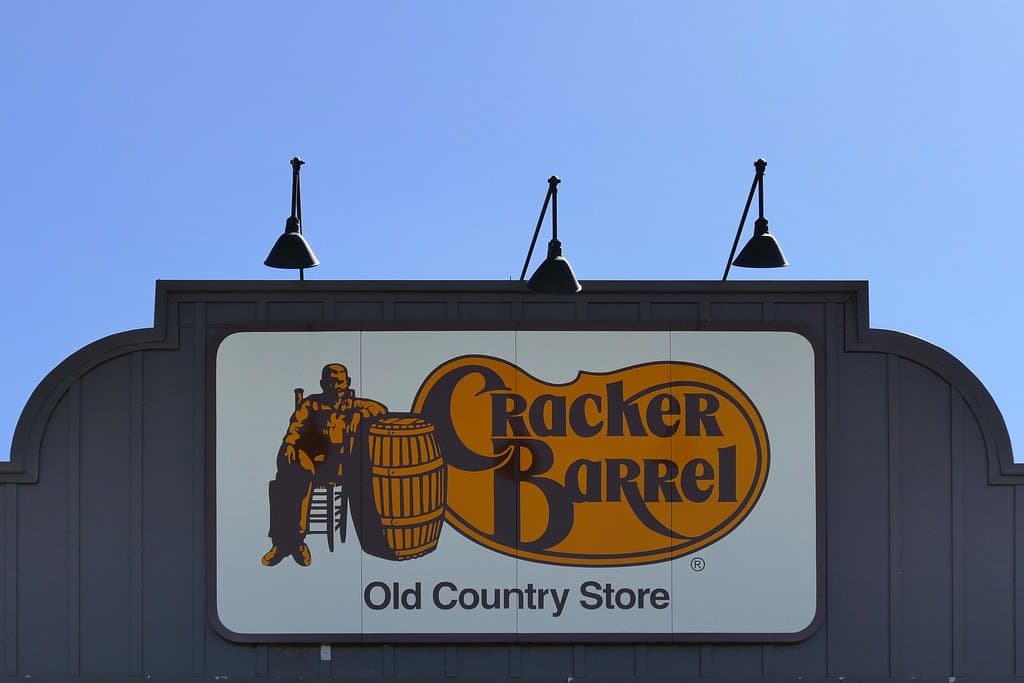
Cracker Barrel, a beloved roadside restaurant chain, recently found itself at the heart of a surprising political storm. The company’s attempt to modernize its iconic logo triggered a rare bipartisan backlash, with both former President Trump and Democratic leaders voicing disapproval. This episode shines a spotlight on how corporate branding decisions have become battlegrounds in the culture wars, a phenomenon often described as Trumponomics.
The Tennessee-based chain unveiled a new logo in August 2025, removing the familiar "Old Timer" figure to present a simpler design. What seemed like a routine update quickly escalated into a heated debate about tradition, identity, and change. Trump’s public call to revert to the old logo sent Cracker Barrel’s stock tumbling before a swift reversal restored the cherished image.
This article unpacks the Cracker Barrel rebrand fallout, revealing how political currents now shape business moves. We’ll explore the cultural symbolism behind the logo, the market’s reaction, and what this means for companies navigating today’s hyper-politicized landscape.
Unpacking Cracker Barrel’s Rebrand
Cracker Barrel’s August 2025 logo change was meant to breathe new life into a brand steeped in nostalgia. The company removed the familiar "Old Timer" figure leaning on a barrel, replacing it with a simple text logo on an orange backdrop. This move aimed to modernize the chain’s image and possibly attract a younger crowd.
But what seemed like a straightforward update quickly became a lightning rod. The "Old Timer" wasn’t just a logo; it was a symbol of rural Americana and tradition. For many, it evoked the comfort of front porches and country charm. The new design, while cleaner, felt like erasing a piece of that identity.
This rebranding effort highlights the delicate balance companies face when refreshing their image. Change can alienate loyal customers who see the old logo as part of their personal and cultural heritage. Cracker Barrel’s experience shows that even a simple logo tweak can stir deep emotions and unexpected backlash.
Bipartisan Backlash Emerges
Rarely do corporate decisions unite both sides of America’s political divide. Yet Cracker Barrel’s logo change did just that. On one side, former President Trump and his allies slammed the new logo as a surrender to "wokeness," a catch-all term for perceived progressive overreach. Trump publicly demanded the company revert to the original design, framing it as a defense of traditional values.
Surprisingly, Democratic leaders also voiced displeasure, though their objections were rooted more in aesthetics and nostalgia than ideology. This bipartisan pushback underscores how certain symbols transcend politics, tapping into a shared cultural sentiment.
The episode reveals how branding can become a proxy battleground for larger cultural debates. When a logo change triggers outrage from both ends of the spectrum, it signals that the brand is more than a business—it’s a cultural touchstone.
Corporate Response and Market Impact
Faced with mounting criticism, Cracker Barrel acted swiftly. Within days of Trump’s public call, the company announced it would ditch the new logo and restore the beloved "Old Timer." Their statement thanked customers for their voices, signaling a rare corporate concession to public and political pressure.
This reversal had immediate financial consequences. Cracker Barrel’s stock jumped 7% in after-hours trading following the announcement, reflecting investor approval of the company’s responsiveness. Yet, this bounce came amid a longer-term decline—the stock remains down 67% from its 2018 peak, mirroring the chain’s struggles with relevance and profitability.
The episode illustrates how market sentiment can hinge on cultural symbolism as much as financial fundamentals. In today’s climate, investors watch how companies navigate the culture wars, rewarding those who align with consumer identity.
Trumponomics and Branding Battles
The Cracker Barrel saga is a textbook example of Trumponomics, where economic decisions are inseparable from political identity. The chain is seen as a "Republican brand," popular in rural areas and among Trump voters. This makes it vulnerable to accusations of "wokeness"—a term often wielded to resist change perceived as urban or progressive.
Removing Mr. Overalls from the logo wasn’t about politics per se; it was likely an attempt to freshen a stodgy brand. But in Trump Country, change itself is suspect. The "Make America Great Again" ethos prioritizes the past over the present, making any modernization a potential flashpoint.
This environment forces companies to weigh every branding move against cultural sensitivities. The stakes are high: missteps can spark backlash, while careful navigation can preserve loyalty and market value.
Lessons for Modernizing Brands
Cracker Barrel’s experience offers valuable lessons for businesses in today’s polarized landscape. First, stealth is key. Instead of bold, visible overhauls, companies might opt for gradual, subtle updates that avoid triggering cultural alarms.
Second, having an internal "red team" to anticipate political fallout can be a game-changer. Just as the military tests plans against simulated enemies, brands could benefit from teams that sniff out potential culture war vulnerabilities before public rollout.
Finally, the episode reminds us that nostalgia wields powerful emotional currency. While modernization is essential for survival, respecting the heritage that customers cherish can prevent costly missteps. In the age of Trumponomics, balancing tradition with innovation is the tightrope every brand must master.
Long Story Short
The Cracker Barrel logo controversy is more than a branding blip—it’s a vivid case study in the power of political identity to sway corporate decisions. The swift reversal after vocal public and presidential pressure underscores how deeply intertwined business and culture have become under Trumponomics. For companies, this means that even small changes can ignite outsized reactions, especially when tradition and nostalgia are involved. Investors rewarded Cracker Barrel’s return to its roots with a stock bounce, signaling that Wall Street values responsiveness to consumer sentiment—especially when it aligns with broader cultural narratives. Yet, the chain’s long-term struggles with relevance and profitability remind us that clinging to the past isn’t a cure-all. For businesses aiming to modernize iconic brands, the lesson is clear: tread carefully, listen closely, and consider stealthy evolution over bold upheaval. In a world where logos can spark political firestorms, balancing heritage with fresh appeal is the tightrope every brand must walk.