DeepSeek Researcher Warns on AI’s Societal Impact Amid Startup Rise
Explore DeepSeek’s groundbreaking AI success and a senior researcher’s cautionary views on AI’s future societal risks, highlighting challenges in technology, security, and economic disruption.

Key Takeaways
- DeepSeek’s AI models rival global leaders at lower costs
- Open-source AI raises ethical and security concerns
- Researcher warns AI may threaten jobs in 5-10 years
- China positions DeepSeek as tech resilience symbol
- Regulatory scrutiny intensifies amid AI’s rapid growth
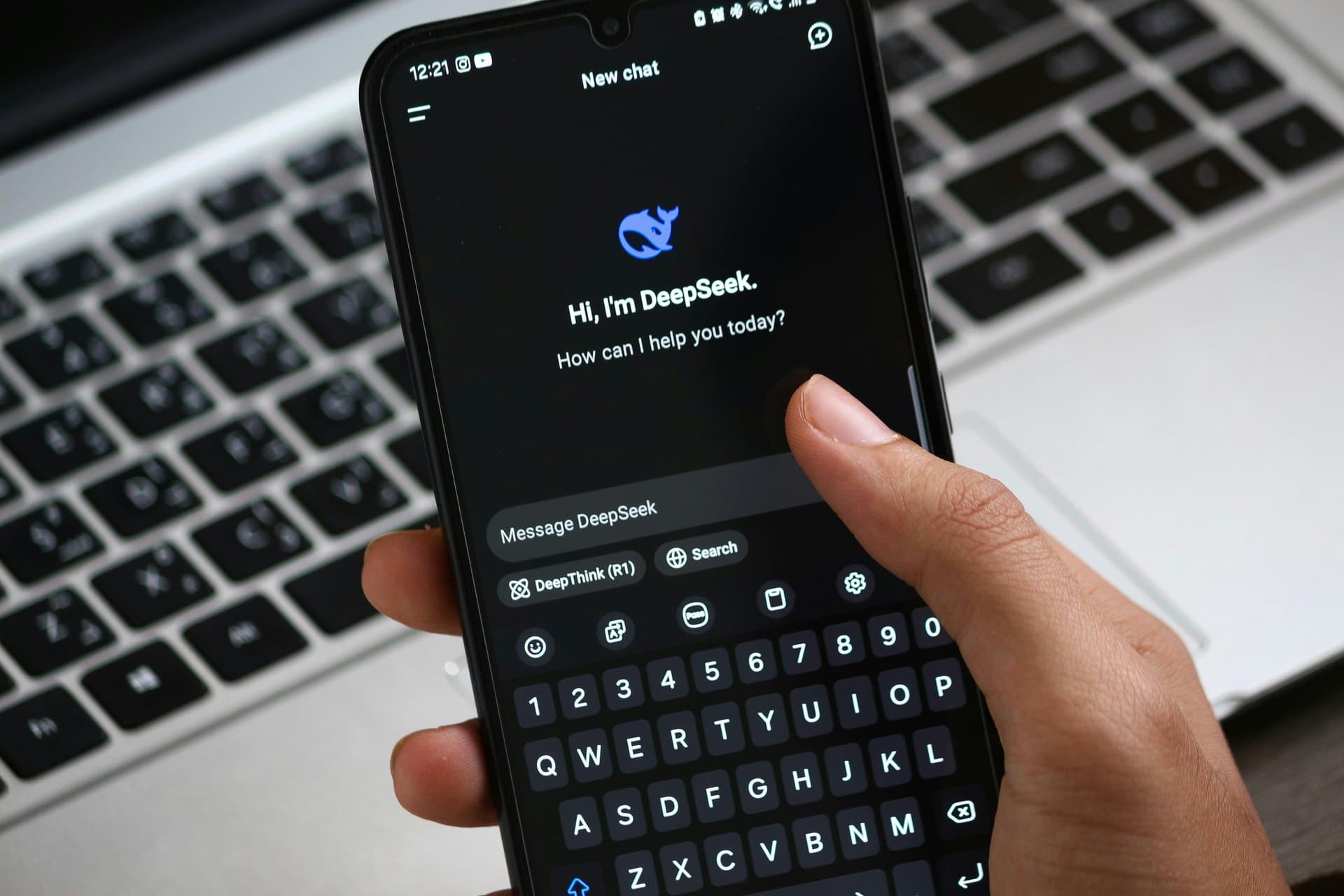
In the fast-evolving world of artificial intelligence, few stories capture the imagination like DeepSeek’s meteoric rise. Founded in 2023, this Chinese AI startup stunned the globe by releasing large language models that match Western giants’ performance but at a fraction of the cost. Their open-weight approach has democratized AI access, sparking both excitement and unease.
Recently, DeepSeek made its first public appearance in nearly a year at China’s World Internet Conference. A senior researcher voiced a rare note of caution, expressing pessimism about AI’s long-term societal impact. This perspective challenges the common narrative of unbridled AI optimism, highlighting risks from job displacement to security threats.
This article dives into DeepSeek’s breakthrough technology, the researcher’s concerns, and what this means for the future of AI innovation and regulation. Let’s unpack the story behind the headlines and explore the complex dance between AI’s promise and peril.
Tracing DeepSeek’s Meteoric Rise
Imagine a startup that bursts onto the global AI stage within a year, shaking up giants like OpenAI. That’s DeepSeek’s story. Founded in 2023, this Chinese company developed large language models—think of them as AI’s linguistic maestros—that rival the likes of GPT-4 but with a twist: they run on less powerful hardware. Thanks to clever techniques like Mixture of Experts, DeepSeek slashed training costs and energy use, making high-end AI more accessible.
Their open-weight policy means they share their AI’s inner workings openly, inviting developers worldwide to innovate on their platform. This approach turbocharged adoption, with their chatbot even surpassing ChatGPT in U.S. downloads. But this openness also stirred unease, as regulators and security experts flagged potential risks. DeepSeek’s rise isn’t just a tech tale; it’s a story of innovation under geopolitical pressure, with the Chinese government spotlighting the company as a symbol of resilience amid U.S. sanctions.
This backdrop sets the stage for understanding why a senior researcher from DeepSeek would step forward with a cautious, even pessimistic, view on AI’s societal impact.
Unpacking the Researcher’s Pessimism
At a major internet conference in Wuzhen, a DeepSeek senior researcher shared a perspective that cuts through the usual hype. While optimistic about AI’s short-term benefits, he warned of looming challenges. He highlighted that within 5 to 10 years, AI could start replacing human jobs, escalating to a point where society faces massive upheaval in the next 10 to 20 years.
This isn’t just a tech caution; it’s a call for AI firms to act as defenders of society, balancing innovation with responsibility. The researcher’s stance reflects concerns about economic disruption, ethical dilemmas, and security risks tied to open-source AI. The worry isn’t about AI’s capabilities alone but about how society prepares—or fails to prepare—for its ripple effects.
His message resonates beyond DeepSeek, echoing global debates on AI’s double-edged sword: a tool for progress that also threatens to unsettle labor markets and social structures.
Navigating Open-Source AI Risks
DeepSeek’s open-weight models are a double-edged sword. On one hand, they democratize AI, sparking innovation across borders and sectors. On the other, they open doors to misuse. Without centralized control, powerful AI tools can be weaponized for misinformation, deepfakes, or cyberattacks. This lack of oversight worries governments worldwide, prompting bans and regulatory probes.
The researcher’s caution spotlights this tension. Open access accelerates progress but also complicates governance. Unlike closed-source models, where companies can embed safeguards, open models rely on community and policy frameworks that are still catching up. This regulatory lag creates a vulnerability that could be exploited by malicious actors.
For investors and tech watchers, this means balancing enthusiasm for AI’s potential with vigilance about its risks. The DeepSeek case exemplifies how innovation can outpace regulation, demanding smarter, faster policy responses.
Economic Disruption and Job Displacement
The researcher’s warning about job losses isn’t just theoretical. As AI models grow more capable, they threaten to automate tasks once thought safe. DeepSeek’s efficiency breakthroughs mean AI can perform complex work at lower costs, potentially displacing workers across multiple sectors.
This raises tough questions: How will economies absorb displaced workers? Will new jobs emerge fast enough? The researcher suggests that without proactive measures, society faces a massive challenge. It’s a narrative that challenges the myth that AI only creates opportunities—here, the shadow side of rapid automation looms large.
For entrepreneurs and policymakers, this means preparing for a future where AI reshapes labor markets. Strategies might include retraining programs, social safety nets, and thoughtful deployment of AI to augment rather than replace human work.
Balancing Innovation with Responsibility
DeepSeek’s story is a microcosm of AI’s broader dilemma: how to harness groundbreaking technology while managing its risks. The company’s success underlines the power of open innovation and resilience amid geopolitical headwinds. Yet, the internal voice of caution reminds us that technology isn’t destiny—it’s a tool shaped by choices.
The researcher’s call for tech firms to act as defenders of society invites a new mindset. It’s about embedding ethics, security, and social awareness into AI’s DNA. Governments are already stepping in with bans and investigations, signaling that the era of unchecked AI development is ending.
For investors, innovators, and users, the takeaway is clear: embrace AI’s promise but stay alert to its pitfalls. DeepSeek’s journey offers lessons on the tightrope walk between disruption and duty in the AI age.
Long Story Short
DeepSeek’s journey is a vivid reminder that technological leaps come with tangled consequences. Their AI models have reshaped the industry landscape, proving that innovation can flourish even under export restrictions and geopolitical pressures. Yet, the cautious voice from within the company underscores a sobering truth: progress isn’t without cost. As AI continues to weave itself into the fabric of society, the warnings about job displacement, misuse, and ethical gaps demand serious attention. Policymakers, companies, and users alike must navigate this new terrain with eyes wide open, balancing innovation’s thrill with responsibility’s weight. For those watching the AI frontier, DeepSeek’s story offers both inspiration and a call to vigilance. The future of AI isn’t just about smarter machines—it’s about how we steer their impact on humanity’s shared journey.