Denmark’s Deepfake Law: Protecting Citizens’ Digital Identity
Discover how Denmark’s groundbreaking deepfake law empowers citizens with copyright over their digital likeness, reshaping personal identity protection in the AI era and setting a global precedent.

Key Takeaways
- Denmark grants copyright over personal digital likeness
- Citizens can demand immediate removal of unauthorized deepfakes
- Platforms face fines for failing to act on takedown requests
- Law balances protection with free speech exceptions
- Denmark leads globally in combating AI-driven misinformation
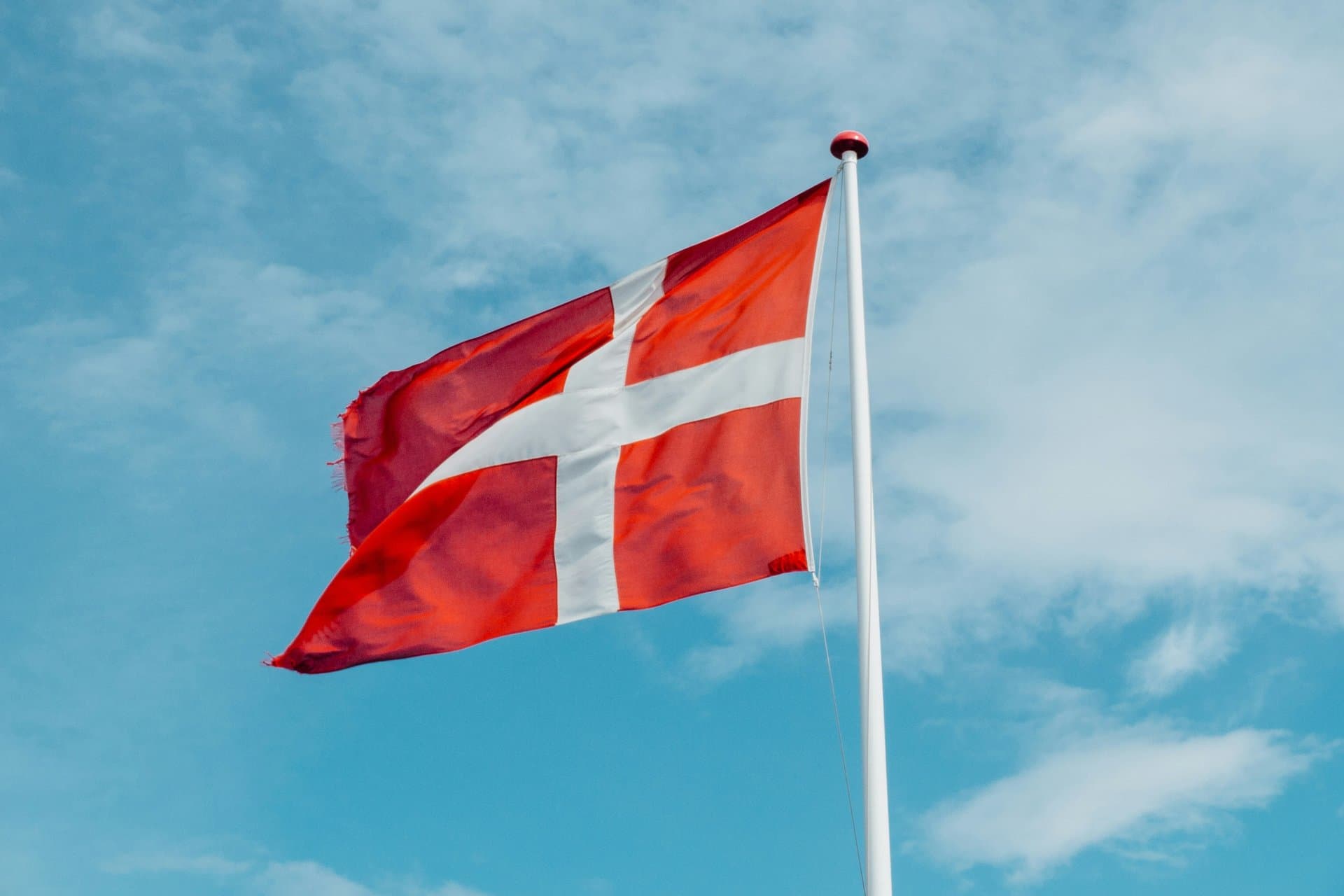
Imagine waking up to find a manipulated image of yourself circulating online—your face, voice, or body distorted without consent. This nightmare became reality for Danish live-streamer Marie Watson in 2021, when a deepfake of her was shared, stripping away her control and dignity. Deepfakes, AI-generated realistic images or videos, have surged in sophistication and accessibility, threatening privacy, reputation, and democracy worldwide.
Denmark is responding with a bold legal innovation: a proposed law that treats your digital likeness—your face, voice, and body—as copyrightable property. This means citizens gain unprecedented power to remove unauthorized deepfakes swiftly and seek compensation, holding platforms accountable for enforcement.
In this article, we explore Denmark’s deepfake law, why it matters for personal digital identity, how it challenges global legal norms, and what it means for the future of AI regulation and online safety.
Understanding Deepfake Threats
Deepfakes are no longer sci-fi fantasies—they’re here, and they’re unsettlingly real. Picture this: a holiday photo of you, but digitally altered to remove your clothing. That’s what happened to Marie Watson, a Danish live-streamer, who received such a manipulated image in 2021. The shock and violation she felt are shared by many as deepfakes become easier to create with AI tools from giants like OpenAI and Google.
These hyper-realistic fakes aren’t just pranks; they’re weapons. From spreading misinformation that shakes democracies to non-consensual pornography that destroys lives, deepfakes blur the line between reality and deception. The digital wild west has made it alarmingly simple for anyone to generate convincing fake videos or audio, often targeting women, celebrities, and politicians alike.
The stakes are high. When a politician’s voice or image is faked and shared without recourse, public trust erodes. When teens or everyday people are victimized, the emotional toll is devastating. Denmark’s recognition of this threat is a wake-up call: traditional laws aren’t enough to tackle this AI-fueled menace.
Granting Copyright Over Likeness
Denmark’s proposed law flips the script by treating your digital identity as copyrightable property. Imagine owning the rights to your face, voice, and body online—this is no longer science fiction but a legal reality in the making. This means you can demand the removal of any AI-generated content using your likeness without your consent.
Unlike U.S. laws that often limit protection to commercial use, Denmark’s approach is automatic and comprehensive. You don’t need to prove harm or intent; unauthorized use alone triggers your right to act. This is a game-changer for everyday people and performers alike, who have long struggled to fight back against deepfake exploitation.
The law also allows for exceptions like parody and satire, ensuring that freedom of expression isn’t sacrificed at the altar of protection. This delicate balance acknowledges the complex dance between individual rights and democratic values in the digital age.
Empowering Citizens and Platforms
The Danish bill doesn’t just empower individuals; it holds online platforms accountable. Social media giants like YouTube, Facebook, and TikTok must act swiftly to remove illegal deepfakes or face hefty fines. This aligns with the EU’s Digital Services Act, reinforcing a culture of responsibility among tech companies.
Marie Watson’s experience highlights the frustration victims face when platforms lack clear regulations to act upon. Without explicit laws, takedown requests often fall into a legal gray zone, leaving victims helpless. Denmark’s law aims to close this gap, making it clear that platforms can no longer turn a blind eye.
This shift could ripple across Europe, with countries like France and Ireland watching closely. Denmark’s leadership in this space may inspire a unified front against deepfake abuse, transforming how digital identity is protected continent-wide.
Balancing Protection and Free Speech
One of the trickiest parts of Denmark’s deepfake law is preserving free speech while cracking down on abuse. The legislation carves out exceptions for parody, satire, and social criticism, recognizing these as vital democratic tools. But drawing the line between harmful deepfakes and legitimate expression is no easy task.
Experts acknowledge this gray area, noting that enforcement will require nuance and ongoing dialogue. The law’s broad support in Denmark reflects a shared understanding that unchecked deepfakes threaten democracy, but so does censorship.
This balancing act is crucial. It ensures that the law protects dignity and identity without stifling creativity or political discourse. Denmark’s approach could serve as a blueprint for other nations grappling with similar challenges in the AI era.
Shaping the Future of Digital Rights
Denmark’s deepfake legislation is more than a national safeguard—it’s a global milestone. By pioneering copyright protection over personal digital likeness, Denmark sets a precedent that may redefine digital civil rights worldwide.
With parliamentary approval expected by late 2025, the law signals a future where individuals reclaim control over their online identities amid AI’s rapid advance. It challenges the fragmented and often inadequate legal frameworks elsewhere, like the U.S., where protections remain patchy and commercial-focused.
For citizens, this means greater security and recourse. For platforms, it means heightened responsibility. And for the world, it means a new chapter in the ongoing quest to balance innovation, privacy, and truth in the digital age.
Long Story Short
Denmark’s pioneering deepfake legislation marks a historic shift, recognizing personal digital identity as intellectual property and empowering citizens to reclaim control in an AI-saturated world. By granting copyright over one’s image and voice, the law offers a powerful shield against misuse, from harassment to misinformation. Yet, the battle is far from over. The law’s success hinges on robust enforcement by online platforms and clear boundaries that protect free expression without enabling abuse. Denmark’s approach sets a high bar, inspiring other nations to rethink digital rights amid rapid AI advances. For individuals, this law is a beacon of hope—a legal lifeline in the chaotic digital ocean where once your likeness was vulnerable and unprotected. As AI tools evolve, staying informed and vigilant remains crucial. Denmark’s bold step invites us all to rethink how we safeguard identity, dignity, and truth in the digital age.