D.R. Horton Fiscal Q4 2025 Earnings: Scale, Strategy, and Shareholder Focus
Explore D.R. Horton’s fiscal Q4 2025 earnings revealing strong revenue, strategic capital returns, and cautious optimism amid housing market challenges, highlighting key insights into its operational and financial resilience.

Key Takeaways
- D.R. Horton posted $9.7B revenue in Q4 FY25, beating forecasts
- Q4 EPS declined 29% year-over-year to $3.04, signaling margin pressures
- Net sales orders rose 5% to 20,078 homes, showing steady demand
- Dividend increased to $0.45 per share with $4.3B in share buybacks
- Full-year revenue guidance set between $33.5B and $35B for FY26
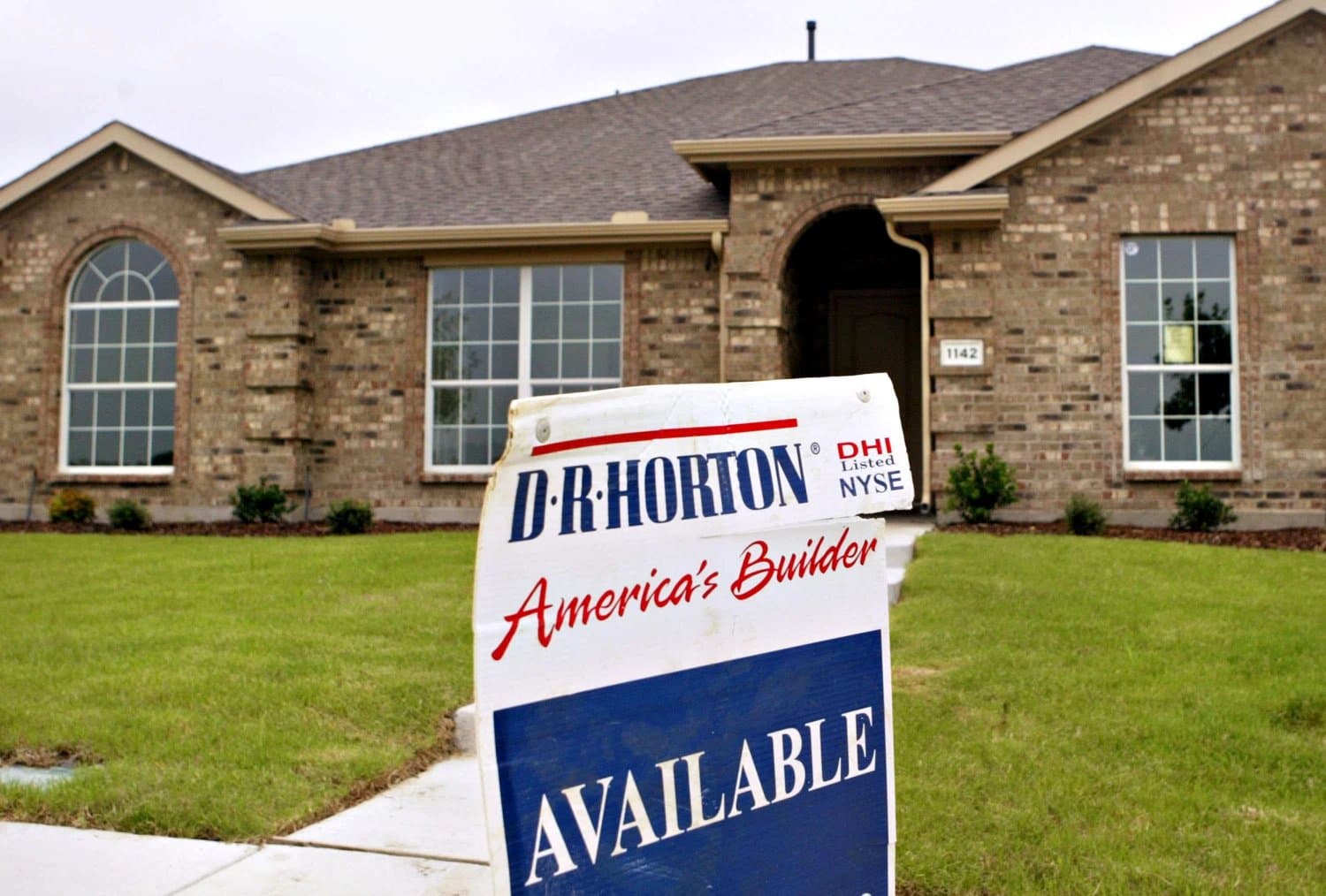
D.R. Horton, the nation’s largest homebuilder by volume, unveiled its fiscal fourth-quarter and full-year 2025 earnings, painting a picture of resilience amid a shifting housing market. The company reported a solid $9.7 billion in Q4 revenue, surpassing analyst expectations, yet earnings per share dipped 29% compared to last year. This juxtaposition reveals the complex dance between robust sales and tightening profit margins.
Behind the numbers lies a story of strategic capital moves: a dividend hike to $0.45 per share and a hefty $4.3 billion share repurchase program signal management’s confidence in the company’s intrinsic value. Meanwhile, a 5% increase in net sales orders to over 20,000 homes underscores ongoing demand despite economic headwinds.
This article dives into D.R. Horton’s fiscal Q4 2025 earnings, unpacking the financial nuances, operational highlights, and shareholder-focused strategies that define its current market stance. Let’s explore how scale, strategy, and shareholder returns intertwine in this housing heavyweight’s latest chapter.
Analyzing Revenue Strength
D.R. Horton’s Q4 revenue of $9.7 billion didn’t just meet expectations—it beat them, showcasing the company’s impressive sales engine. Think of it as a marathon runner maintaining pace despite a tough course. This revenue strength, contributing to a full-year haul of $34.3 billion, reflects the company’s vast operational scale and diverse geographic footprint.
Yet, revenue alone doesn’t tell the whole story. The housing market’s current climate, marked by rising mortgage rates and economic uncertainty, makes sustaining such figures no small feat. It’s like keeping a ship steady in choppy waters. The company’s ability to generate this level of revenue amid these challenges speaks volumes about its market positioning and product appeal.
Still, a slight year-over-year dip in quarterly revenue hints at the subtle pressures at play. It’s a reminder that even giants must navigate shifting tides carefully. For investors, this revenue story is a mix of strength and caution—a signal to watch how D.R. Horton balances growth with the realities of a complex market.
Decoding Earnings Per Share
Here’s where the plot thickens: D.R. Horton’s Q4 earnings per share (EPS) came in at $3.04, a 29% drop from the previous year. That’s a significant squeeze on profitability, even as revenue stayed robust. Imagine baking a bigger cake but slicing it into thinner pieces—more sales, but less profit per share.
This EPS decline likely stems from rising construction costs, labor expenses, and the company’s efforts to keep home prices accessible amid competitive pressures. It’s a classic margin compression scenario, where costs nibble away at the bottom line. The housing market’s volatility, especially with fluctuating interest rates, adds another layer of complexity.
For shareholders, this dip is a cautionary flag but not a red alert. The company’s volume leadership and operational scale help cushion the blow. It’s a reminder that strong top-line numbers don’t always translate into soaring profits, especially in industries as capital-intensive as homebuilding.
Highlighting Operational Momentum
Despite profit pressures, D.R. Horton’s operational metrics tell a story of momentum. Net sales orders rose 5% year-over-year to 20,078 homes in Q4, signaling sustained demand. Picture a bustling showroom where buyers keep walking in, undeterred by economic clouds.
This growth in orders is crucial—it fuels future revenue and reflects consumer confidence in the company’s offerings. The $8.5 billion in home sales revenue for the quarter underscores this demand. It’s a testament to D.R. Horton’s ability to deliver products that resonate across markets.
Strong operating cash flow of $3.4 billion for the year further empowers the company. This liquidity is the lifeblood that supports investments, debt management, and shareholder returns. In a sector where cash is king, D.R. Horton’s financial flexibility is a competitive edge, allowing it to adapt and invest even when the market shifts.
Focusing on Shareholder Returns
D.R. Horton isn’t just building homes—it’s building shareholder value. The company raised its quarterly dividend to $0.45 per share, paying out nearly $495 million in cash dividends for the year. That’s a steady stream of income for investors, a tangible reward for their faith.
But dividends are only part of the story. The company repurchased 30.7 million shares for $4.3 billion, a bold move signaling confidence in its own worth. Share buybacks tighten the share count, potentially boosting earnings per share over time and signaling management’s belief that the stock is undervalued.
This dual approach—dividends plus buybacks—reflects a proactive capital allocation strategy. It’s like a company saying, “We’re here for the long haul, and we want you to share in the journey.” For shareholders, these moves offer both immediate returns and the promise of future growth.
Navigating Forward Guidance
Looking ahead, D.R. Horton projects full-year revenue between $33.5 billion and $35 billion. This range suggests management expects steady, if not spectacular, growth. It’s a cautious optimism, balancing the reality of potential market softening with the company’s strengths.
This guidance is a roadmap for investors, signaling that while demand remains, the company is bracing for challenges like increased competition or economic shifts. It’s a reminder that even market leaders must stay nimble and prepared.
D.R. Horton’s scale, operational efficiency, and strong cash flow position it well to weather these uncertainties. The company’s strategic discipline in capital allocation and market positioning will be key to sustaining its leadership. For those watching the housing sector, this outlook offers both reassurance and a call to stay alert.
Long Story Short
D.R. Horton’s fiscal Q4 and full-year 2025 results offer a compelling narrative of strength tempered by market realities. While earnings per share took a notable hit, the company’s ability to sustain high revenue and grow sales orders speaks to enduring demand for new homes. The dividend increase and substantial share buybacks reflect a management team committed to rewarding shareholders even as it navigates margin pressures. For investors and industry watchers, these results highlight the balancing act between growth and profitability in today’s housing market. D.R. Horton’s cautious revenue guidance for the coming year signals preparedness for potential headwinds, yet its scale and operational cash flow provide a sturdy foundation. Ultimately, the story here is one of strategic resilience—where smart capital allocation and market leadership combine to keep D.R. Horton at the forefront of U.S. homebuilding. The company’s journey through economic uncertainty offers lessons in adaptability and shareholder value that resonate far beyond the construction site.