How Automakers Navigated Trump’s Auto Tariffs to Protect Profits
Discover how automakers adapted to Trump’s auto tariffs through production shifts, supply chain tweaks, and regulatory changes, turning potential losses into surprising gains in the evolving U.S. auto market.

Key Takeaways
- Trump’s 25% auto tariffs sparked panic but were softened by policy rollbacks.
- Automakers shifted production and supply chains to dodge tariff costs.
- Elimination of emissions penalties saved billions, offsetting tariff expenses.
- Tariffs raised costs but profits beat expectations amid strategic adjustments.
- Future trade deals may further reduce tariff burdens on automakers.
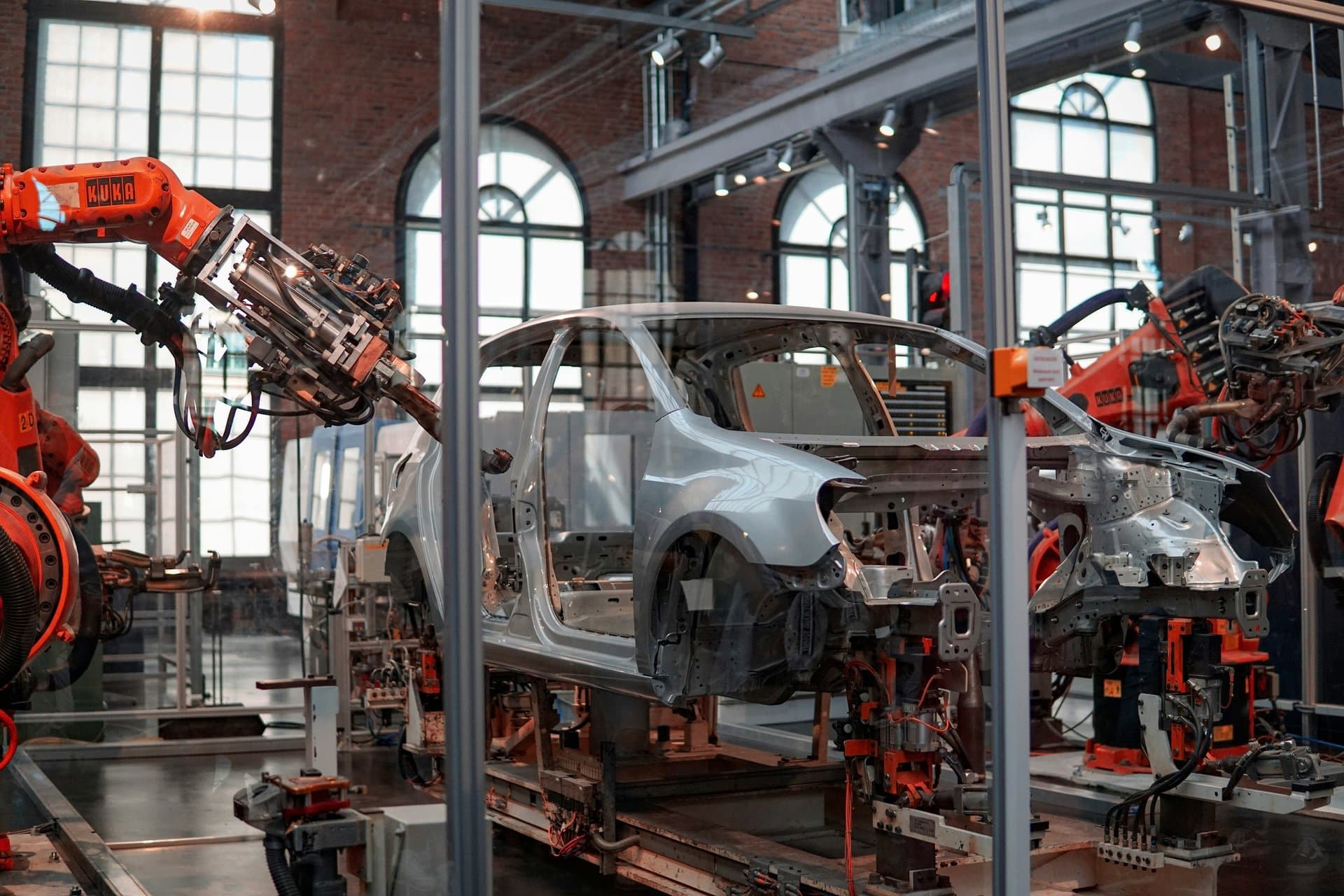
When President Donald Trump announced a 25% tariff on imported cars and parts, the auto industry braced for a financial storm. Automakers feared these tariffs would shred their bottom lines, with companies like Ford warning of unprecedented damage. Yet, as the dust settled, the picture turned surprisingly brighter. Through a mix of production shifts, supply chain recalibrations, and regulatory relief, many carmakers managed to sidestep the worst impacts.
This article unpacks how the auto industry navigated these turbulent tariffs, revealing the unexpected resilience beneath the headlines. From trimming tariff cost estimates to benefiting from the end of emissions penalties, automakers found ways to protect profits. We’ll explore the strategies they employed, the challenges they faced, and what this means for the future of U.S. auto manufacturing amid evolving trade policies.
If you thought tariffs spelled doom for car companies, think again. Here’s how the industry turned a looming crisis into a story of adaptation and cautious optimism.
Facing Tariff Fears
When the Trump administration slapped a 25% tariff on imported vehicles and parts, automakers hit the panic button. Ford’s CEO Jim Farley warned it would "blow a hole in the U.S. industry that we’ve never seen." Imagine the shock: a tax hike that could add thousands to the cost of each car. Most automakers rely on imported parts—even U.S.-based ones—so the threat was real and immediate.
But the initial horror story softened quickly. Tariffs were rolled back bit by bit, and exemptions emerged. The administration’s moves to reduce the worst impacts, like lowering levies on foreign parts assembled in the U.S., helped ease the pressure. Automakers’ cost estimates dropped sharply—GM cut its $5 billion tariff hit by $500 million, and Ford halved its 2025 tariff forecast from $2 billion to $1 billion.
This early phase was a rollercoaster of uncertainty. The industry braced for disaster but found breathing room as policies evolved. It was a reminder that in trade wars, the headlines often outpace the reality on the ground.
Shifting Production Strategies
To dodge the tariff bullet, automakers rewired their production playbooks. Honda, for example, announced plans to build the Civic hybrid in the U.S. instead of Mexico, sidestepping higher tariffs tied to imported vehicles. GM ramped up production of popular trucks like the Silverado and Sierra at U.S. plants, moving some capacity away from Canada and Mexico.
These moves weren’t just about geography—they were about navigating the complex rules of origin under the USMCA trade deal. By increasing North American content, companies minimized tariff exposure. But this wasn’t a simple switch. Supply chains are intricate, with parts crossing borders multiple times. Recalibrating them required careful planning and investment.
The result? Automakers could keep assembly costs in check and maintain competitiveness. It’s like rerouting a busy highway to avoid tolls—complex, but worth the effort to save money and jobs.
Adjusting Supply Chains
Beyond shifting where cars are built, automakers tackled the supply chain itself. Since many parts come from abroad, companies worked to boost U.S. and North American content. This meant finding new suppliers or renegotiating contracts to meet tariff-friendly thresholds.
Think of it as a giant puzzle where every piece must fit just right to avoid extra taxes. This recalibration was no small feat, given the global nature of auto manufacturing. Parts often cross borders multiple times before assembly, so even small changes ripple through the system.
Despite the headaches, these supply chain tweaks helped reduce tariff costs and kept production flowing. It also underscored how interconnected the auto industry is—tariffs don’t just hit one spot; they reverberate across continents and factories.
Leveraging Regulatory Relief
While tariffs grabbed headlines, a quieter windfall emerged: the end of financial penalties for missing fuel efficiency rules. Previously, automakers bought regulatory credits—like green tokens—from companies that exceeded emissions standards, such as Tesla. This cost billions annually.
But July’s tax and spending bill eliminated these penalties, saving automakers huge sums. Ford’s CFO Sherry House revealed they scrapped plans to buy $2.5 billion in credits. Analyst Dan Ives noted this cut vehicle costs by 3% to 5%, a significant margin.
This regulatory relief also freed automakers to sell more profitable trucks and SUVs, previously capped by emissions limits. Ford announced plans to boost F-150 and Super Duty production by over 50,000 trucks in 2026. GM shifted some Michigan plant output from money-losing EVs back to gasoline vehicles.
In essence, dropping these penalties painted a rosier picture for the industry’s near-term health, offsetting tariff pressures in unexpected ways.
Navigating Future Trade Deals
The story isn’t over. Future trade deals loom large in the tariff equation. Canada and Mexico, major sources of imported cars and parts, remain key players. Though negotiations stalled recently—Trump halted talks after a Canadian ad featuring Reagan’s anti-tariff speech—experts expect a deal eventually.
A renewed free trade agreement with South Korea would also ease tariff burdens, benefiting Hyundai, Kia, and even GM, which builds some affordable cars in South Korea. These deals promise to further reduce costs and stabilize the industry.
For now, automakers have digested the tariff headwinds better than expected. Hyundai’s CEO José Muñoz noted the U.S. remains their most profitable market despite tariffs. Analyst Dan Ives called tariffs a "headwind," but one that’s been well absorbed.
The evolving trade landscape means automakers must stay nimble, balancing production, supply chains, and policy shifts to keep profits rolling.
Long Story Short
The saga of Trump’s auto tariffs is a lesson in agility and complexity. What began as a threat to rip apart automakers’ finances evolved into a nuanced dance of strategy and policy tweaks. By shifting production to U.S. plants, adjusting supply chains, and capitalizing on the elimination of costly emissions penalties, carmakers softened the blow and even found new profit avenues. Yet, this isn’t a tale of unalloyed victory. The tariffs introduced higher costs and uncertainty, complicating long-term investments and global competitiveness. The industry’s ability to adapt highlights both resilience and the risks of unpredictable trade policies. For consumers, the impact was muted, with only modest price increases and subtle shifts in vehicle offerings. Looking ahead, potential trade deals with Canada, Mexico, and South Korea promise further tariff relief, offering a hopeful horizon. For now, automakers’ experience underscores the power of nimble strategy in the face of economic headwinds—and the importance of stable, clear policies to fuel sustainable growth.