Is the AI Boom Losing Its Grip on Emerging Markets? Jefferies Warns
Examine how Jefferies sees heavy Big Tech spending, rising debt and fading earnings upgrades testing the AI boom in emerging markets, and why India and quality stocks are moving to the front.

Key Takeaways
- Emerging-market stocks gained approximately 8% this year, but South Korea and Taiwan did the heavy lifting with returns near 40%.
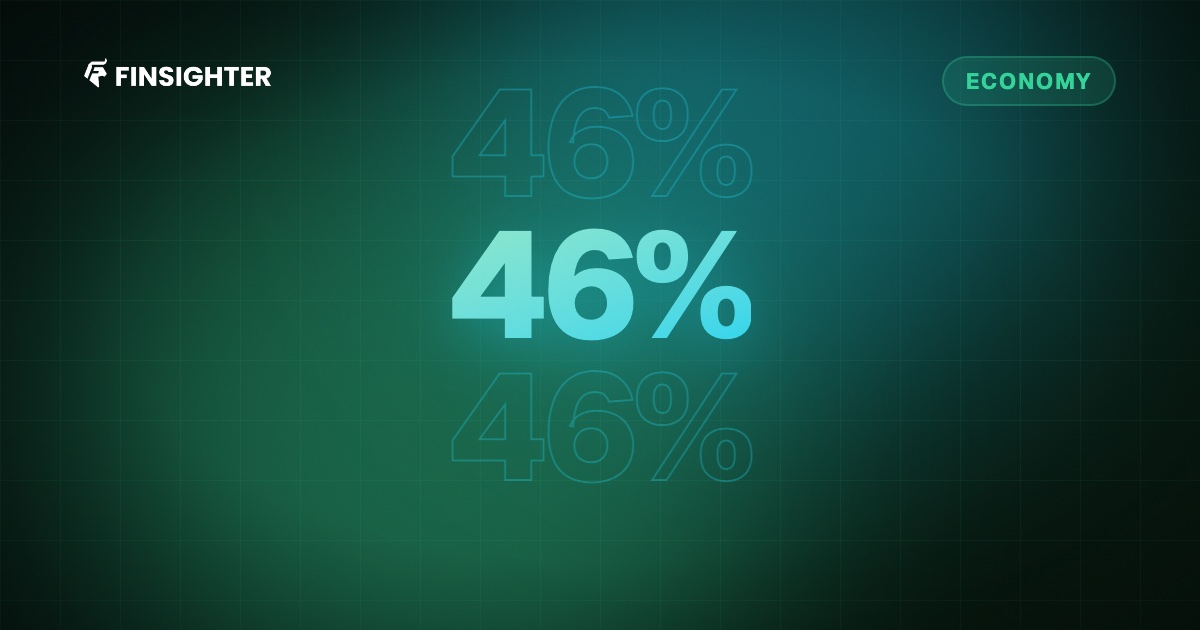
- AI-related businesses account for approximately 46% of the MSCI Emerging Markets Index, so one theme steers the whole ship.
- Alphabet, Amazon and Meta all posted negative free cash flow, proof that building the future is expensive.
- Jefferies swapped South Korea to underweight and Taiwan to neutral, while India moved to overweight.
- An economist says the real test isn't a bubble, it's whether AI can earn enough cash to repay its debt.
- Quality, discipline and dividends are back in fashion, and speculative momentum is out.
Imagine a party where one guest has been buying every round. Everyone is having a great time, until someone checks the tab.
That's the question hanging over emerging markets after a year when AI did the heavy lifting. Jefferies analysts warn that higher financing costs, slowing earnings upgrades and weaker data center spending are stacking up. The rally that lifted South Korea and Taiwan now looks lopsided.
Big Tech's own results and one outspoken economist add colour to the warning. Let's get started.
Powering the AI Boom Rally
Think of emerging markets as a choir where two singers drowned out everyone else this year. The AI boom handed the microphone to chipmakers and hardware suppliers, and the whole index started to sound like one voice.
Emerging-market equities gained approximately 8% this year, yet South Korea and Taiwan delivered returns near 40%. AI-related businesses now make up approximately 46% of the MSCI Emerging Markets Index, so a handful of tech names carry the tune for an entire asset class.
That concentration is a comfort on the way up and a trap on the way down. Jefferies analysts flag that the earnings revision advantage behind the rally is fading, which leaves the whole chorus exposed to any slowdown in tech investment.
Spending Billions on Infrastructure
Imagine a household buying a bigger house every quarter while the paycheck shrinks. That's the picture at the biggest US tech names, which are doubling down on data centers and chips just as investors start asking who pays the bill.
Alphabet, Amazon, Meta and Microsoft outlined plans to spend more than $740 billion in capital expenditures this year. Alphabet posted negative free cash flow of $9.1 billion in the third quarter, and Amazon reported negative $42.4 billion over the past 12 months.
Microsoft is the lone exception, still generating positive free cash flow, and demand for AI compute remains strong. But strong demand and a healthy balance sheet are different things, and the market is now pricing the gap between them.
Questioning AI Boom Cash Flow
Forget the bubble debate for a second. Professor Jean-Pierre Landau of Sciences Po says the real puzzle isn't whether AI stocks are overpriced, it's whether this capital-hungry sector can generate enough cash to repay what it borrows.
The borrowing is real. According to S&P Global Market Intelligence, Microsoft, Alphabet, Amazon, Meta and Oracle raised a combined $326 billion in debt in 2026, triple the amount raised last year. Landau also flags circular financing, where chipmakers fund customers who then buy their chips.
A pure stock market bubble is something the system can absorb, in his view. A shaky financing structure is a different animal, because sales that don't reflect independent demand leave little to lean on when the cash runs thin.
Rotating Across Emerging Markets
Jefferies is quietly rearranging the furniture. South Korea drops to underweight, Taiwan slips to neutral, and the reason is the same for both: deteriorating earnings momentum and risks to AI investment.
India earns an upgrade to overweight and joins China among the preferred markets as investors hunt for opportunities beyond AI infrastructure. Meanwhile, emerging-market earnings per share are forecast to grow 25.9% in 2027, below the 27.7% consensus, before slowing to 12% in 2028.
Cheaper valuations sound like a cure, yet tight financial conditions and weaker revisions offset them early in 2027. Patience, not heroics, is the order of the day for the opening stretch.
Backing Quality Over Momentum
Chasing last year's winners is the oldest mistake in the book. Jefferies prefers companies with durable earnings growth, disciplined spending and strong returns on invested capital, the financial equivalent of a sturdy pair of boots.
AI isn't banished from the portfolio. TSMC, Samsung Electronics and SK hynix stay in where earnings upgrades and investment returns justify exposure. Beyond that, the tilt favors AI adoption beneficiaries and companies offering sustainable dividends over speculative momentum plays.
The payoff arrives later. Improving financial conditions and a recovery in valuations support approximately 25% upside for emerging-market equities further ahead. The wait is the price of admission.
Long Story Short
The AI boom hasn't ended, but its grip on emerging markets is loosening. Heavy spending has pushed multiple tech giants into negative free cash flow, and debt is climbing fast. Jefferies sees earnings momentum fading in South Korea and Taiwan while India and China take the preferred seats. So what's a sensible reader to do? Check how much of your emerging-market exposure rides on chip and hardware names, since AI-related businesses make up approximately 46% of the index. Favor companies with disciplined spending and durable earnings, and treat dividends as ballast rather than an afterthought. Early 2027 looks like a patient stretch, and nothing here guarantees a smooth ride. Still, Jefferies points to approximately 25% upside further ahead as financial conditions improve. Hope is fine, as long as it comes packed with a margin of safety.