Israel’s Gaza City Ground Offensive: Financial and Human Costs Unveiled
Exploring Israel’s Gaza City ground offensive, this article unpacks the military escalation’s humanitarian impact, political stakes, and international reactions, offering a fresh lens on conflict-driven economic disruption.

Key Takeaways
- Israel launched a major ground offensive in Gaza City in September 2025.
- The operation aims to dismantle Hamas and free hostages over several months.
- Humanitarian crisis worsens with famine declared and mass displacement.
- International reactions are deeply divided over legality and civilian harm.
- The conflict’s economic and political fallout complicates regional stability.
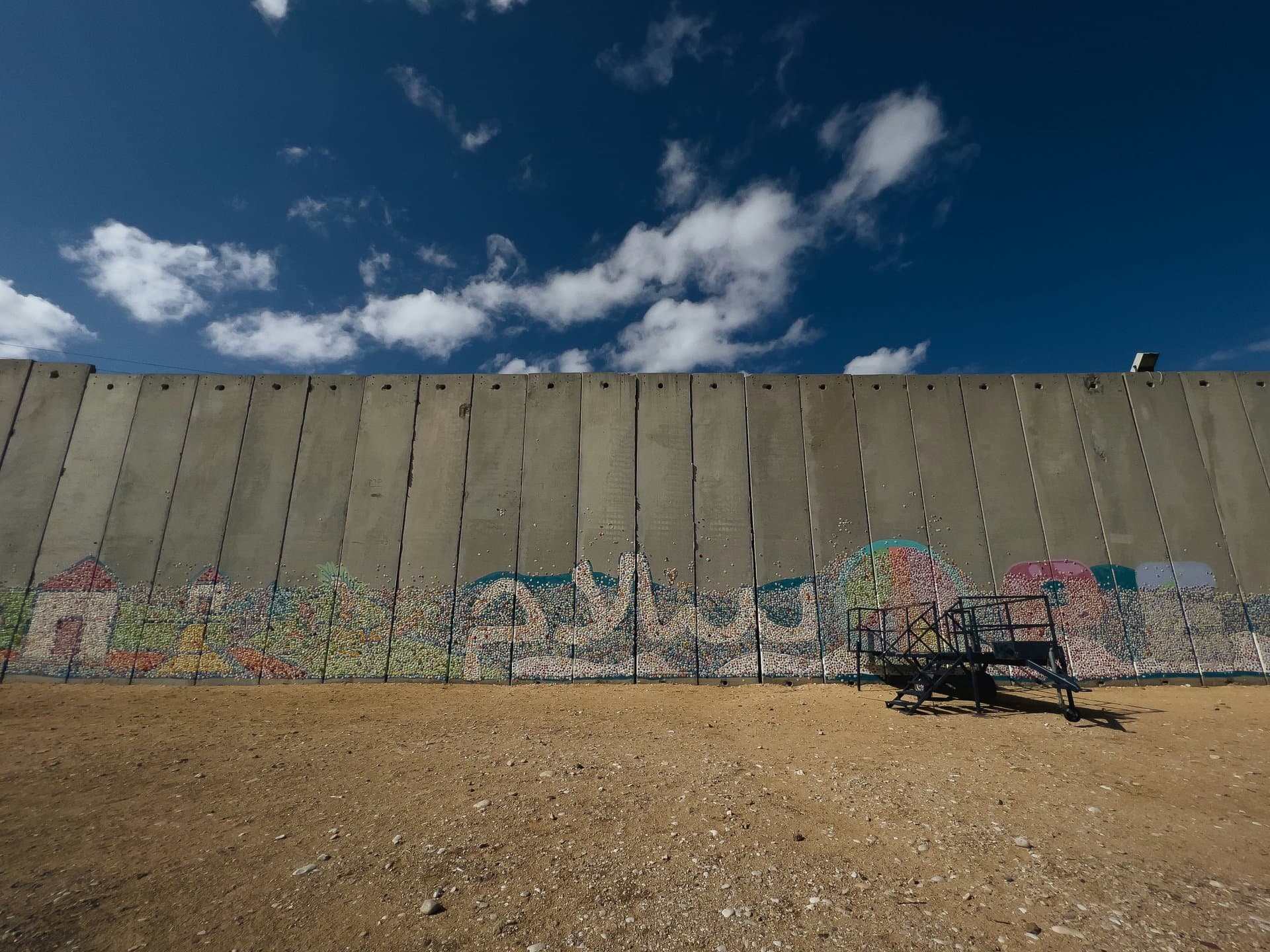
In September 2025, Israel initiated a long-anticipated ground offensive into Gaza City, marking a significant escalation in the Israel-Hamas conflict. Dubbed Operation Gideon’s Chariots II, this military push follows months of airstrikes and partial incursions, aiming to dismantle Hamas’s infrastructure and secure the release of hostages. The offensive is expected to last months, with Israeli forces advancing amid fierce urban combat and mounting casualties.
This article delves into the military strategy behind the offensive, the devastating humanitarian consequences, and the complex political dynamics shaping the conflict. We also explore the polarized international responses and the legal debates surrounding the operation’s conduct. Understanding these facets is crucial for grasping the broader economic and human toll of this prolonged conflict.
By unpacking these elements, we aim to provide readers with a nuanced perspective on how military actions ripple through civilian lives and regional stability, challenging common assumptions about conflict and its financial implications.
Unpacking the Ground Offensive
Israel’s ground offensive in Gaza City, launched in September 2025, represents a major escalation in a conflict simmering for years. Known as Operation Gideon’s Chariots II, it follows an earlier campaign that captured parts of Gaza but left Hamas largely intact. This time, the Israeli Defense Forces (IDF) mobilized tens of thousands of reservists and combined airstrikes with ground maneuvers to seize control of Gaza’s densely populated neighborhoods.
The operation’s scope is vast. The IDF spokesman estimated it would take months to fully take over the city and dismantle Hamas’s infrastructure. The military’s strategy includes siege tactics, systematic destruction of buildings, and encirclement plans. Civilians were ordered to evacuate, with around 350,000 people already displaced. Yet, the urban combat remains fierce, with Hamas fighters employing ambushes and tunnels, complicating Israel’s advance.
This offensive isn’t just a military maneuver; it’s a high-stakes gamble with profound implications. The prolonged fighting and destruction disrupt local economies, displace hundreds of thousands, and strain resources. For investors and policymakers, understanding the scale and duration of such operations is key to assessing regional risk and humanitarian costs.
Humanitarian Crisis Unfolding
The human toll of the Gaza City offensive is harrowing. By late August 2025, the Integrated Food Security Phase Classification declared famine in parts of Gaza, a direct consequence of the siege, blockade, and relentless bombardment. Tens of thousands of civilians have been displaced multiple times, with few safe places left to flee.
Reports detail tragic losses—families wiped out in single airstrikes, bakeries and shelters targeted, and medical supplies running dangerously low. The forced evacuation orders and destruction of entire neighborhoods exacerbate the crisis, creating a humanitarian emergency that international aid groups warn could spiral further.
This isn’t just a distant conflict; it’s a vivid example of how warfare devastates civilian life and economic stability. For financial observers, the ripple effects include disrupted markets, strained aid budgets, and long-term reconstruction costs. The stark reality challenges any notion that military operations can be clean or cost-free.
Political Stakes and Negotiations
Prime Minister Benjamin Netanyahu frames the offensive as essential for Israel’s security and hostage recovery. The military push aims to pressure Hamas into negotiations on Israel’s terms, including demilitarization and hostage release. Yet, previous ceasefire attempts have repeatedly collapsed, reflecting entrenched positions on both sides.
US Secretary of State Marco Rubio’s diplomatic efforts in the region underscore the complexity. Despite supporting Israel’s right to self-defense, the US is urging Gulf states like Qatar to re-engage in mediation, even after tensions flared following Israeli strikes on Doha. The Abraham Accords, once a beacon of regional normalization, face challenges amid rising anger toward Israel.
This political backdrop reveals how military actions intertwine with diplomacy and economic interests. For investors and analysts, the evolving alliances and fractures in the Middle East signal heightened geopolitical risk, affecting markets and international cooperation.
International Reactions and Legal Debates
The international community’s response to the Gaza City offensive is sharply divided. Western governments largely affirm Israel’s right to self-defense, while human rights organizations and some UN bodies condemn the scale of civilian suffering. A UN-commissioned inquiry accused Israel of genocide, a charge Israel vehemently denies, calling the report distorted and based on Hamas falsehoods.
Legal scholars debate whether tactics like forced evacuations and neighborhood razing comply with international humanitarian law principles such as distinction and proportionality. Meanwhile, Hamas’s use of human shields and embedding fighters in civilian areas complicates the legal landscape.
For financial and policy watchers, these debates matter. Sanctions, aid flows, and diplomatic relations hinge on legal interpretations and public opinion. The conflict’s legal controversies add layers of uncertainty to an already volatile region.
Economic Fallout and Future Outlook
Beyond the immediate battlefield, the Gaza City offensive disrupts economies and livelihoods. The displacement of 350,000 people, destruction of infrastructure, and blockade-induced famine strain local and regional markets. Humanitarian aid budgets swell, while reconstruction costs loom large.
The conflict’s duration—expected to last months—means prolonged instability, deterring investment and complicating trade. Regional partners like Qatar and Egypt, key mediators, face diplomatic strains that ripple into economic ties. The Abraham Accords’ expansion prospects dim amid rising tensions.
For those tracking geopolitical risk, the Gaza offensive is a stark reminder: military escalations carry heavy economic price tags. The path forward demands balancing security goals with humanitarian needs and diplomatic engagement to prevent deeper crises.
Long Story Short
Israel’s ground offensive on Gaza City underscores the brutal realities of urban warfare and its far-reaching consequences. While the military seeks to neutralize Hamas and free hostages, the humanitarian cost is staggering—famine, displacement, and civilian casualties mount amid relentless bombardment and forced evacuations. This conflict’s economic and social toll extends beyond immediate battlefields, disrupting livelihoods and regional diplomacy. The polarized international reactions reflect deep divisions over the legality and morality of the offensive, complicating efforts toward ceasefire or negotiation. For stakeholders and observers alike, the situation demands a sober reckoning with the human cost behind headlines and the urgent need for political solutions that prioritize civilian protection. As the offensive continues, the challenge remains to balance security objectives with humanitarian imperatives. The story of Gaza City is a stark reminder that behind every military campaign lies a complex web of economic disruption, human suffering, and geopolitical stakes—elements that finance and policy watchers cannot afford to overlook.