Jensen Huang's Nvidia Return Carries a Steep Regulatory Price Tag
Examine how Jensen Huang's return at Nvidia calmed a panicked market, yet left export rules, governance questions and AI investment doubts standing, and why the entire AI industry is still watching.

Key Takeaways
- A 31.48% one-day jump is a vote of relief, not a verdict on profits.
- The $952 billion gain is paper value, not cash in Nvidia's bank account.
- Governance, export rules and investigations are the bills still in the mail.
- Nvidia's reach means its turbulence rattles Micron, AMD and Anthropic too.
- The AI trade is shifting from believing in the future to proving it.
- Analysts see resilience in established platforms with visible monetization.
Imagine firing the architect mid-construction, then begging them back before the scaffolding comes down. That is roughly what Nvidia's board did with Jensen Huang.
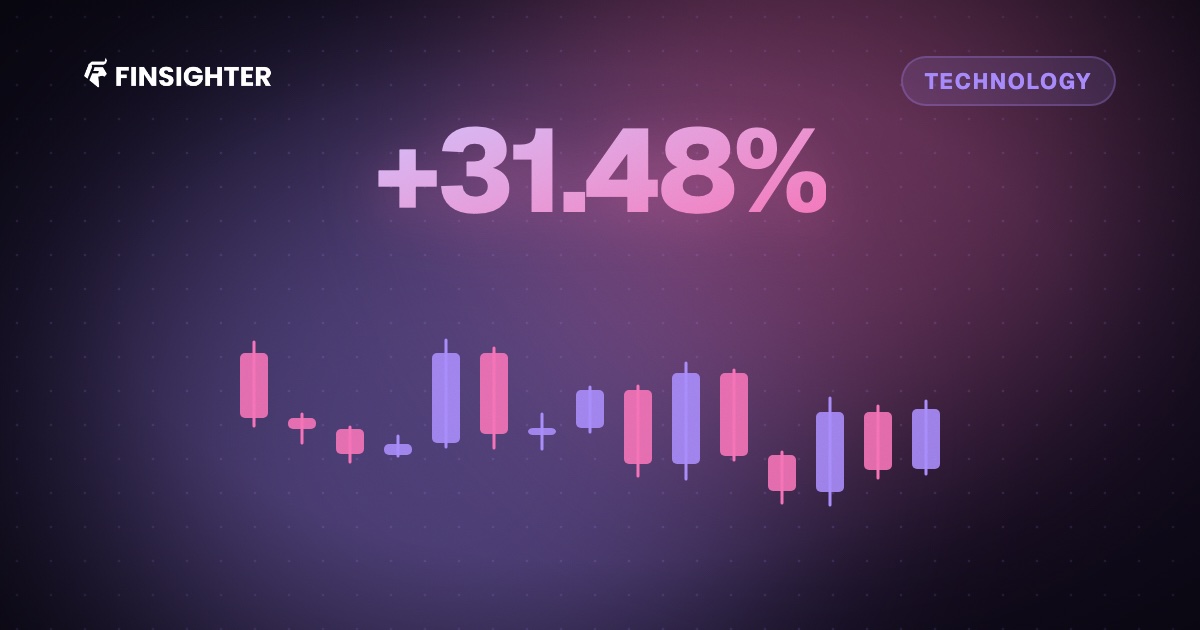
The market loved the reversal, sending Nvidia shares up 31.48% in a single session. But the relief hides a pricier reality. Investigations, compliance measures and export rules did not leave the building when Huang walked back in.
This piece follows the money, the rules and the ripple effects across the AI trade. Let's get started.
Reading the Jensen Huang Return
Nvidia's boardroom just staged a whiplash plot twist. Picture a ship's captain pushed overboard, then hauled back aboard before the crew finished arguing over the map. The board announced Huang's reinstatement as president and CEO on November 23, less than two weeks after his exit.
The U-turn was sharp. Board chair Harvey Jones had publicly rejected a comeback on the earnings call days earlier. Then directors met Huang again, consulted senior US government officials, and unanimously concluded his return created no national security risk. Washington's fingerprints are all over the outcome.
Yet this is a governance story before it is an industry signal. Export rules, supply chain security and customer concentration all remain on the table. Strategy Asset Managers CEO Tom Hulick called Huang probably the right leader "for now," with plenty still to worry about.
Pricing Nvidia's Record Rebound
A founder's comeback just repriced a whole company. Think of the stock as a mood ring for risk: the moment the leadership cloud lifted, the color changed. Nvidia shares closed 31.48% higher, the strongest daily gain since May 2003.
That jump added approximately $952 billion in market value, yet not a single dollar landed in Nvidia's bank account. It is a repricing of expectations. Valuations track expected cash and the uncertainty wrapped around it, and investors trimmed the risk discount they had pinned on the leadership crisis.
But a rally is not a result. The stock slid nearly 6% the very next session, and the gain cannot be neatly split between founder magic and plain relief. One executive now carries outsized weight, and that cuts both ways for shareholders.
Counting Regulatory Costs at Nvidia
Forgiveness from the board is not forgiveness from regulators. Picture a tab running quietly in the background of every Nvidia decision. Ongoing investigations and new compliance measures are both on the books, though the sources put no dollar figure on that tab.
The backstory explains the weight. Huang was ousted amid reports of extramarital affairs, including with a woman suspected of being a spy for China, and the dispute pulled in national security investigations and advanced chip export rules. Nvidia is no longer just a GPU maker; it supplies the computing backbone of the AI industry.
Back at the helm, Huang reportedly apologized to employees for violating the code of conduct, said he is in therapy, and told them the company needs no succession planning. He is also fighting the story that he sits above the law. Conduct and compliance now share the spotlight with engineering.
Watching the AI Industry Wobble
Nvidia's drama never stays inside Nvidia. When Huang's firm sneezes, the whole AI trade reaches for a tissue. After the big surge, chip stocks gave ground, with Micron dropping 11% and AMD, Broadcom, Oracle and Alphabet all finishing lower.
Anthropic offers the sharper example. Days after a record-setting IPO, its shares slid below the $83 offer price, a reminder that a blockbuster debut is only chapter one. UBS's Haefele sees no break in the structural AI story, but expects clearer lines between platforms with visible monetization and firms leaning on debt.
Neoclouds sit in the crosshairs. Short sellers hold about $11 billion in bets against them, and shorts, in S3 research director Sam Pierson's telling, are holding rather than covering. Add looming tariffs and possible Federal Reserve rate hikes, and investors lean cautious.
Betting Beyond Jensen Huang
A returning CEO cannot answer the industry's loudest question: who pays for all this computing power? Think of AI spending as a restaurant built before the menu is proven. Nvidia's chips are still scarce and data centers keep expanding, yet proof of payoff lags behind the construction.
The numbers behind Nvidia show the stakes. Third-quarter revenue hit $115.8 billion, up 103% from a year earlier, and data center sales supplied about 93% of it. That concentration ties the company's fate to one enormous bet on accelerated computing.
The mood is shifting from believing in the future to proving it. Deutsche Bank's Henry Allen calls present conditions historically unusual for a bear market, yet investors now want monetization they can see. Huang can keep building; the market wants receipts.
Long Story Short
Huang's return solved a leadership crisis, not a business model question. The board got its founder back, shareholders got a record rebound, and the AI trade got a brief exhale. Then the next trading day arrived. If you hold Nvidia or the stocks orbiting it, treat compliance and governance news as part of the earnings story, not background noise. Lean toward established platforms with visible monetization and strong balance sheets, the dividing line UBS's Mark Haefele draws. And keep some flexibility, since SimCorp's Diana Baechle expects more volatility while unknowns pile up. The outlook is a story of proof over promise. Huang still has every incentive to push bigger computing clusters, and tech giants are not abandoning the race. But the market now wants to see who pays for it all, and regulators have not left the room. That mix of ambition and scrutiny is the real price of the comeback.