Mastering Day Trading: Top Books and Market Insights for 2025
Unlock day trading success with expert book recommendations and market strategies for 2025. Discover how mastering psychology, technical analysis, and big-picture views can elevate your trading game.

Key Takeaways
- Top day trading books blend strategy, psychology, and real-world examples.
- Understanding market phases prevents costly trading mistakes.
- Big-picture charts like weekly views help avoid getting lost in noise.
- Trading psychology is as crucial as technical know-how.
- Successful traders embrace failure and learn aggressively from mistakes.
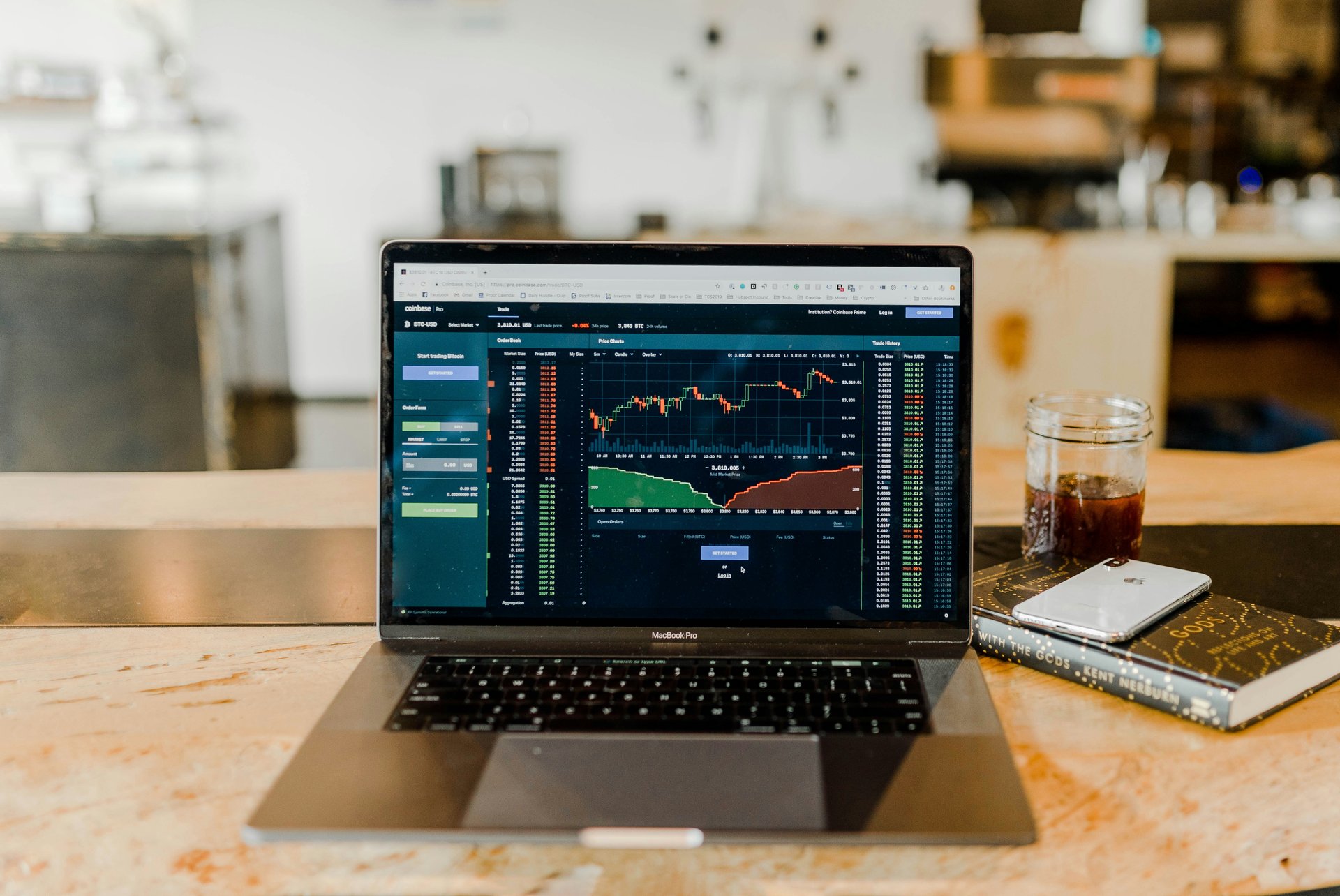
Day trading is a thrilling yet demanding path to financial freedom, where knowledge and mindset are your best allies. In 2025, the right books can transform your approach, offering proven strategies, risk management, and psychological resilience. From William O’Neil’s classic stock-picking methods to Tom Hougaard’s unique take on embracing losses, these resources prepare you for the market’s rollercoaster. Meanwhile, understanding broader market trends—like gold’s recent record highs and the complex dance of USD/JPY and USD/CHF—sharpens your edge. This article weaves together the best day trading literature and market insights, guiding you to trade smarter, not harder.
Choosing the Best Day Trading Books
Imagine stepping into the trading arena armed with a treasure trove of wisdom from seasoned pros. That’s what the best day trading books offer—a blend of strategy, psychology, and real-world lessons. William O’Neil’s "How To Make Money in Stocks" tops the list, revered for its CAN SLIM method that helps you spot winning stocks and dodge common traps. It’s like having a seasoned scout guiding your stock picks. For newcomers, Toni Turner’s "A Beginner’s Guide to Day Trading Online" breaks down the basics with clarity and warmth, making the complex world of day trading approachable. Then there’s Tom Hougaard’s "Best Loser Wins," a refreshing take that flips the script on failure, urging traders to hunt down mistakes and learn fiercely. These books don’t just teach you how to trade; they reshape how you think about trading. Whether you’re just starting or sharpening your edge, these reads build a foundation that’s as solid as a rock in a stormy market.
Mastering Trading Psychology
Trading isn’t just charts and numbers—it’s a mental battlefield where emotions can be your worst enemy or your greatest ally. Tom Hougaard’s approach in "Best Loser Wins" shines a spotlight on this, encouraging traders to embrace failure as a stepping stone rather than a setback. It’s a mindset shift that transforms losses into lessons, turning frustration into fuel. Mark Douglas’s "Trading in the Zone" dives deep into this psychological arena, offering practical techniques to tame fear and greed, the twin beasts that often sabotage trades. Imagine having a calm, focused mind that treats each trade like a calculated move in chess, not a roll of the dice. This mental edge is what separates hobbyists from pros. The relief of a steady mindset can’t be overstated—it’s the difference between impulsive decisions and disciplined strategy. For anyone serious about day trading, mastering psychology is as crucial as mastering charts.
Reading Market Trends Like a Pro
Picture the market as a vast forest, where focusing on every leaf blinds you to the bigger picture. That’s why savvy traders use longer-term charts—like weekly views—to understand the market’s overall mood before zooming in for precise entries on daily or hourly charts. Take gold, for example. After a lightning-fast surge to $3,500 per ounce, it’s been chopping sideways, digesting gains rather than racing ahead. Jumping in just because the price sits above the 200-day moving average would be like trying to sprint through a maze blindfolded. Instead, traders watch for signs that the uptrend is resuming, like a breakout above a downtrend line connecting recent peaks. The same layered approach applies to currency pairs like USD/JPY and USD/CHF, where long-term patterns hint at future moves but require patience and timing. This strategy isn’t just smart—it’s essential to avoid getting chopped up by market noise and false signals.
Avoiding Common Trading Pitfalls
The market’s siren call can lure traders into costly mistakes, especially when chasing every twitch or relying on a single indicator. For instance, many swear by the 200-day moving average as a holy grail, buying when prices are above it and selling below. But as gold’s recent behavior shows, this simplicity can backfire during sideways or digestion phases. Trading breakouts or dips without context often leads to getting ‘chopped to pieces’—a brutal way to describe small losses piling up. Another trap is ignoring the psychological toll of losses, which can spiral into revenge trading or paralysis. The antidote? A layered approach combining big-picture analysis, solid risk management, and a resilient mindset. Remember, the market doesn’t owe you a win; it rewards patience, preparation, and humility.
Building Your Trading Toolkit
Success in day trading demands more than books and charts—it requires the right tools and routines. A lightning-fast computer is non-negotiable, as most traders today don’t call brokers but execute trades online in milliseconds. Alongside hardware, developing a consistent routine and a robust trading process is key. This includes setting clear entry and exit rules, managing risk with stop losses, and continuously learning from each trade. The books recommended provide a blueprint for these elements, blending technical know-how with psychological insights. For example, Andrew Aziz’s "How To Day Trade for a Living" offers a realistic look at the lifestyle and mindset needed, sharing both triumphs and setbacks. Pairing this knowledge with practical tools and discipline transforms trading from a gamble into a calculated craft. It’s a journey of constant refinement, where every lesson learned is a step closer to financial freedom.
Long Story Short
Day trading isn’t a get-rich-quick scheme; it’s a craft honed by study, discipline, and emotional mastery. The books highlighted here offer a roadmap through the market’s chaos, blending technical skills with psychological grit. Meanwhile, keeping an eye on big-picture charts—like gold’s consolidation after a historic surge or the nuanced USD/JPY and USD/CHF patterns—helps you avoid the pitfalls of chasing every twitch. Remember, trading success comes from patience, learning from mistakes, and aligning with market rhythms. So, pick up one of these books, sharpen your charts, and embrace the journey. Financial freedom is a marathon, not a sprint, and with the right tools, you’re ready to run.