North Sea Oil Trader Earns More Than BP and Shell CEOs Combined
Discover how a North Sea oil trader’s extraordinary £36m payout outshines BP and Shell bosses, revealing fresh insights into energy sector pay and the evolving oil trading landscape.

Key Takeaways
- North Sea oil trader earned £36m in two years, surpassing BP and Shell CEOs combined.
- BP and Shell CEOs earned a combined £35.6m over the same period.
- Trader pay is heavily performance-based, linked to company Ebitda and profits.
- Viaro Energy produces 25,000 barrels daily and is expanding via a $500m Shell asset deal.
- Allegations of fraud against the trader remain denied and under legal dispute.
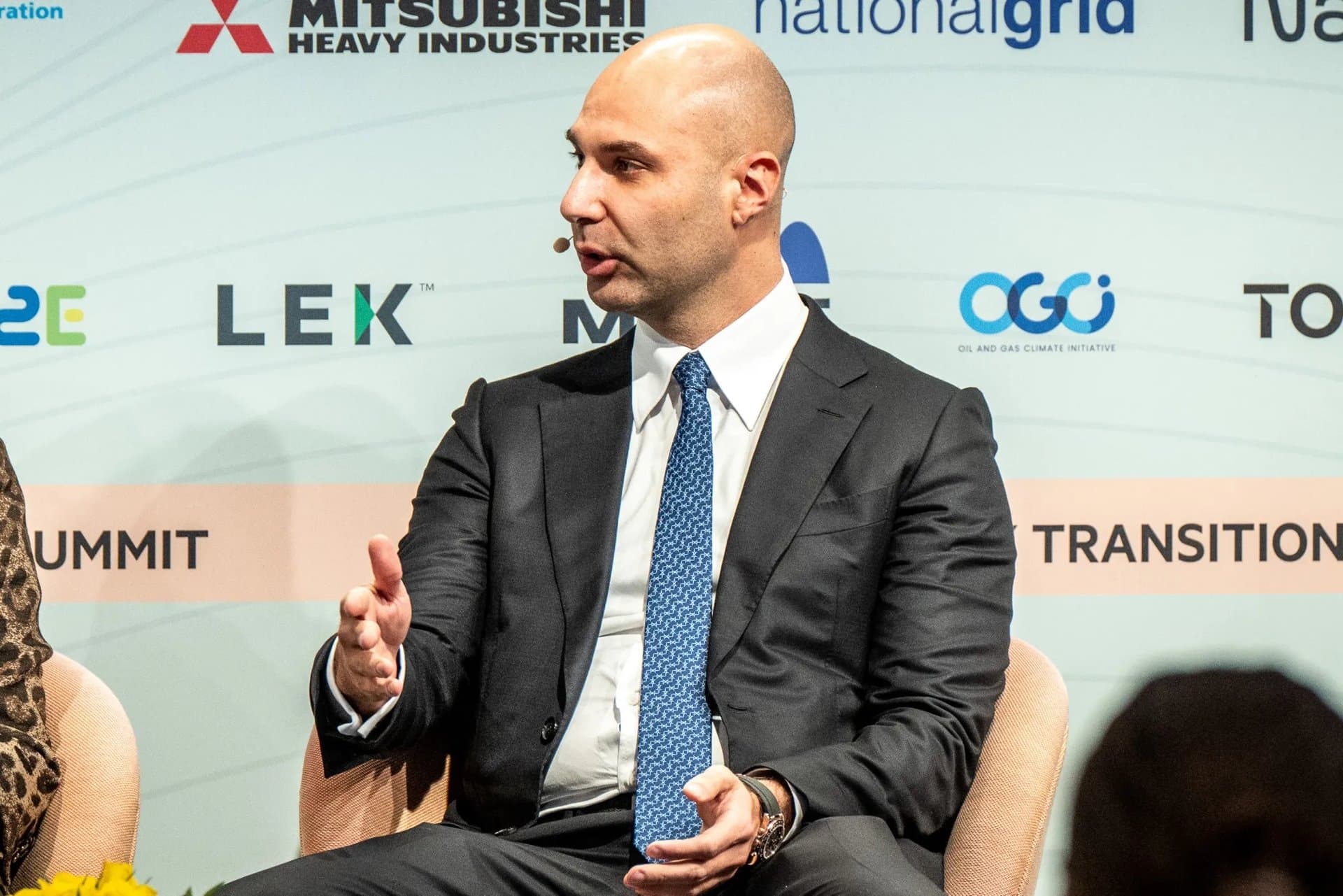
In a stunning twist to energy sector pay, a North Sea oil trader pocketed over £36 million in just two years, eclipsing the combined earnings of BP and Shell’s top bosses. This eye-opening figure reveals how the evolving oil trading landscape rewards risk and agility far beyond traditional executive pay scales. As legacy oil giants divest assets, traders like Francesco Mazzagatti capitalize on nimble operations and market savvy, reshaping the financial dynamics of North Sea oil. Yet, this lucrative story is shadowed by serious fraud allegations, adding a layer of intrigue to the sector’s high-stakes game.
Revealing Exceptional Pay
Imagine earning more in two years than the combined pay of BP and Shell’s CEOs. That’s exactly what Francesco Mazzagatti, running Viaro Energy, achieved with over £36 million. In 2023 alone, he took home £16 million, following a £20.3 million haul in 2022. Meanwhile, BP’s chief earned £8 million in 2023, and Shell’s chief received £7.9 million the same year. These numbers flip the usual script, showing how top oil traders can outpace traditional executive pay. It’s a vivid reminder that in the energy sector, the game is changing — and the stakes are sky-high.
Understanding Trader Pay Structures
Unlike CEOs with fixed salaries and bonuses tied to broad company performance, top oil traders’ pay hinges on direct profit shares and performance metrics like Ebitda. Viaro Energy’s accounts link Mazzagatti’s pay to company earnings before tax, reflecting a pay-for-performance model. Yet, company filings reveal a twist: while Viaro’s Ebitda was just above £890 million, the ultimate group company lost over £330 million after tax across 2022 and 2023. This contrast highlights how trader compensation can soar even amid complex financial outcomes, driven by asset deals and market positioning rather than steady profits alone.
Navigating North Sea Asset Deals
Viaro Energy produces roughly 25,000 barrels daily from 60 North Sea fields and is eyeing expansion by acquiring 11 gas fields from Shell in a $500 million deal. This move aims to control the “backbone of the UK’s energy production and security,” signaling a bold strategy to dominate legacy assets. Such acquisitions offer traders like Mazzagatti opportunities to unlock value from maturing fields that supermajors are divesting. It’s a high-stakes chess game where savvy asset management can translate into massive financial rewards — and, as we see, eye-popping paychecks.
Facing Fraud Allegations
Behind the headline-grabbing pay lies a storm of legal challenges. Mazzagatti faces fraud claims from his former employer, Alliance Petrochemical Investment, accusing him of forging documents and misappropriating tens of millions. Allegations include using fictitious loans from Abu Dhabi sheikhs to support acquisitions. Yet, he vehemently denies wrongdoing, calling the claims a “vexatious campaign” and asserting he had no control over unlawful payments. This legal drama adds tension to the narrative, reminding us that outsized rewards often come with intense scrutiny and controversy.
Implications for Energy Sector Pay
This case spotlights how private traders can eclipse traditional oil giants in compensation, reshaping perceptions of value in the energy sector. While median oil trader salaries in the UK hover around £166,600, and petroleum engineers earn between $60,000 and $200,000, the top-tier trader’s £36 million haul is an outlier. It reflects a shift where entrepreneurial risk-taking and asset optimization trump corporate hierarchy. However, such disparities raise questions about governance and public perception, especially as energy profits face scrutiny amid climate and consumer cost concerns. The story is a vivid snapshot of an industry in flux.
Long Story Short
The extraordinary earnings of a North Sea oil trader compared to BP and Shell CEOs highlight a seismic shift in energy sector remuneration. While median salaries for petroleum engineers and typical traders remain modest, the top performers who master asset acquisitions and market timing can unlock outsized rewards. However, such windfalls come with scrutiny, especially amid ongoing legal battles and public attention on energy profits. For those watching the energy sector, this tale underscores the power of entrepreneurial risk-taking and the complex interplay between legacy oil fields and emerging private players. Navigating this landscape demands sharp insight and a keen eye on both opportunity and governance.