Oil Prices Fall as Gulf Exports Rebound Despite Iran Attacks
Brent has shed roughly 20% in November as Gulf shipments recover and a surplus of 2 million barrels per day looms, yet Citi says oil prices still face upside risk from tight delivered supply.

Key Takeaways
- Brent has shed roughly 20% in November, yet the physical oil keeps moving out of the Gulf.
- Gulf flows excluding Iran climbed to more than 81% of pre-war levels in September, while Iranian exports fell to zero under a US blockade.
- The IEA and Goldman Sachs both point to a surplus of around 2 million barrels per day.
- Citi's counterpunch: delivered supply is tight, and Gulf-China freight recently approached $35 per barrel.
- Trump's inclination to resume attacks after the New Year keeps a deadline stapled to the calm.
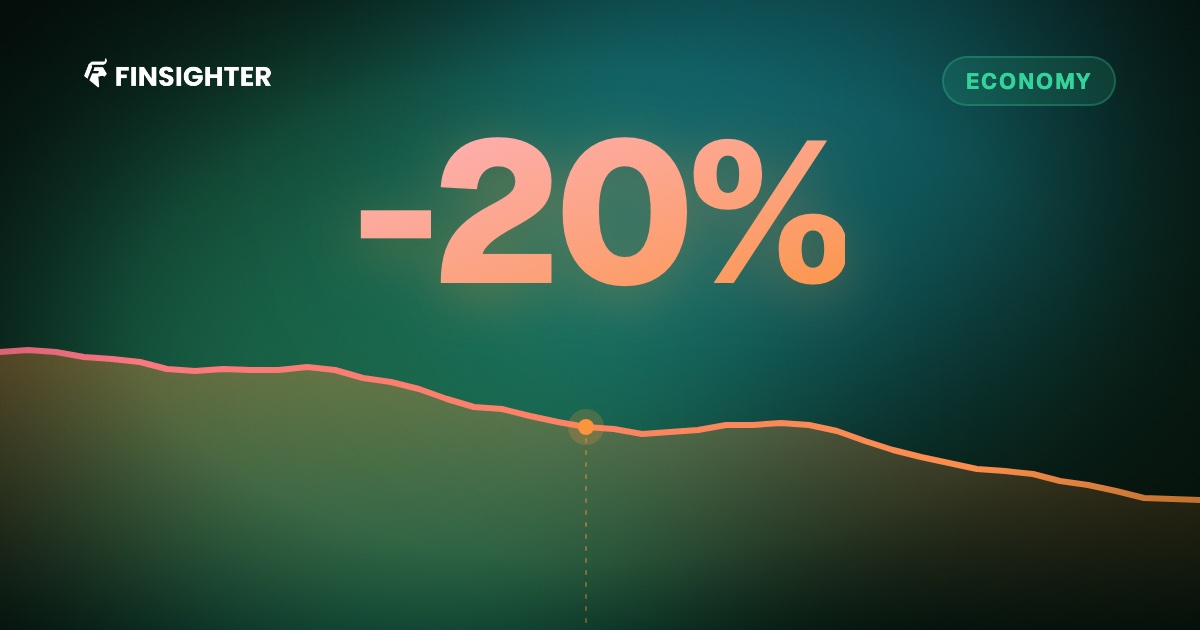
Oil's November has been a study in contradictions. Brent crude has lost roughly 20% this month, even as missiles, drones and tanker attacks keep lighting up the Gulf.
The explanation sits in two places at once. Crude shipments from the Persian Gulf keep flowing, and forecasters from the International Energy Agency to Goldman Sachs see a growing global surplus. Meanwhile, Citi argues that delivered supply remains tight.
So which story wins, the glut or the gauntlet? Let's get started.
Watching Oil Prices Slide
Oil just had a month that looked like a market exhaling. Picture a crowded elevator where half the passengers step off at the next floor: that's Brent crude since the start of November, down roughly 20%.
The slide followed President Donald Trump's decision to hold off on renewed strikes against Iran until after the U.S. midterm elections. On Monday, Brent futures slipped 0.8% to $91.85 a barrel, even as U.S. West Texas Intermediate settled 0.9% higher, proof that the two benchmarks don't always move in lockstep.
Don't mistake a falling price for a settled story, though. Trump said over the weekend that he was inclined to resume attacks on Iran after the New Year if negotiations fail to produce an agreement. The calm traders are pricing in is conditional, and the condition comes with a deadline.
Tracking Gulf Export Recovery
Here's the plot twist: the barrels kept moving. Despite frequent attacks on commercial vessels, crude shipments have continued flowing out of the Persian Gulf, like water finding its way around every rock in a stream.
Citi's data shows Gulf oil flows excluding Iran rose to more than 81% of pre-war levels in September, led by a recovery in Saudi exports even as the kingdom's oil infrastructure took hits. Iran sits at the opposite extreme: its exports fell to zero because of a US blockade.
That tells you the market's nerves and the physical flow of oil have drifted apart. Attacks grab headlines, but tankers are still leaving port, and a price that tracks loaded ships behaves differently from one that tracks fear. That gap explains November's slide better than any single headline.
Weighing Iran Escalation Risks
Calm is the wrong word for the Gulf right now. Iran launched fresh attacks on Bahrain over the weekend, a country that hosts U.S. military forces, while Tehran-backed Houthi militants kept up their campaign against Saudi Arabia, including strikes aimed at Riyadh.
The Houthis also claimed an attack on Saudi Arabia's Rabigh oil refinery on Sunday, and Saudi forces intercepted a drone heading toward Riyadh. Trump posted on Truth Social that Iran had fired more missiles and drones over the past week than at any time in more than a year, adding that U.S. forces intercepted them without significant damage.
Concern over tanker security stays elevated, especially around the Strait of Hormuz. Yet incoming fire has so far failed to dent outbound cargoes. Risk, in other words, is being priced like a storm warning rather than a storm.
Sizing Up the Supply Glut
Behind the headlines sits a quieter, heavier force: too much oil. Picture a bathtub filling faster than it drains. When Middle Eastern exports recover faster than demand grows, the water level rises whatever the politics say.
The International Energy Agency forecasts a global surplus of roughly 2 million barrels per day in the fourth quarter, because the export recovery has outpaced softer demand. Goldman Sachs warns of a substantial glut next year as producers restore output, and expects the surplus to reach around 2 million barrels per day in 2027.
Two forecasters, one number. That agreement frames the story as one of oversupply rather than scarcity. Forecasts, though, aren't delivered cargoes, and as Citi points out, getting barrels to buyers is a messier business than pumping them.
Reading Oil Prices Ahead
Cheaper crude isn't the same as cheap delivery. Citi says near-term risks to oil prices remain skewed to the upside, because shipping bottlenecks keep delivered supplies tight. Its verdict on the recovery: it has been volumetric rather than logistical.
The evidence is in the plumbing. More than 1 million barrels per day of Gulf crude moved through ship-to-ship transfers in September, about 7.5% of regional flows, against virtually none before the US-Iran conflict. Freight for very large crude carriers on the Gulf-China route recently approached $35 per barrel, more than 20 times the average of the previous decade.
Before the US-Israeli attacks on Iran began in late February, the Strait of Hormuz handled about one-fifth of global oil and liquefied natural gas supplies, which is why a bottleneck there still bites. Brent is falling, but the bill for getting oil from A to B hasn't followed it down.
Long Story Short
November's slide in Brent tells a layered story. Prices fell roughly 20% after Trump held off on renewed strikes, and Gulf crude kept moving through attacks on ships and Saudi infrastructure. Surplus forecasts from the IEA and Goldman Sachs both land around 2 million barrels per day. Yet the comfort is conditional. Trump says he's inclined to resume attacks on Iran after the New Year if negotiations fail, and Citi sees risks skewed to the upside while freight stays punishing. Watch the delivered price of oil, not just the screen price. Treat any single-day move, like Monday's 0.8% dip in Brent, as noise. There's something very human in all of this: markets want to exhale, and geopolitics keeps tapping them on the shoulder. Stay curious, stay skeptical of tidy narratives, and remember that a glut and a bottleneck can live in the same market at the same time.