S&P 500 Leans on Nvidia, Apple and Microsoft: Why It Matters
Unpack how the S&P 500 leans on Nvidia, Apple and Microsoft, why a premium valuation and sticky inflation raise the stakes, and which signals show whether the rally is truly widening.

Key Takeaways
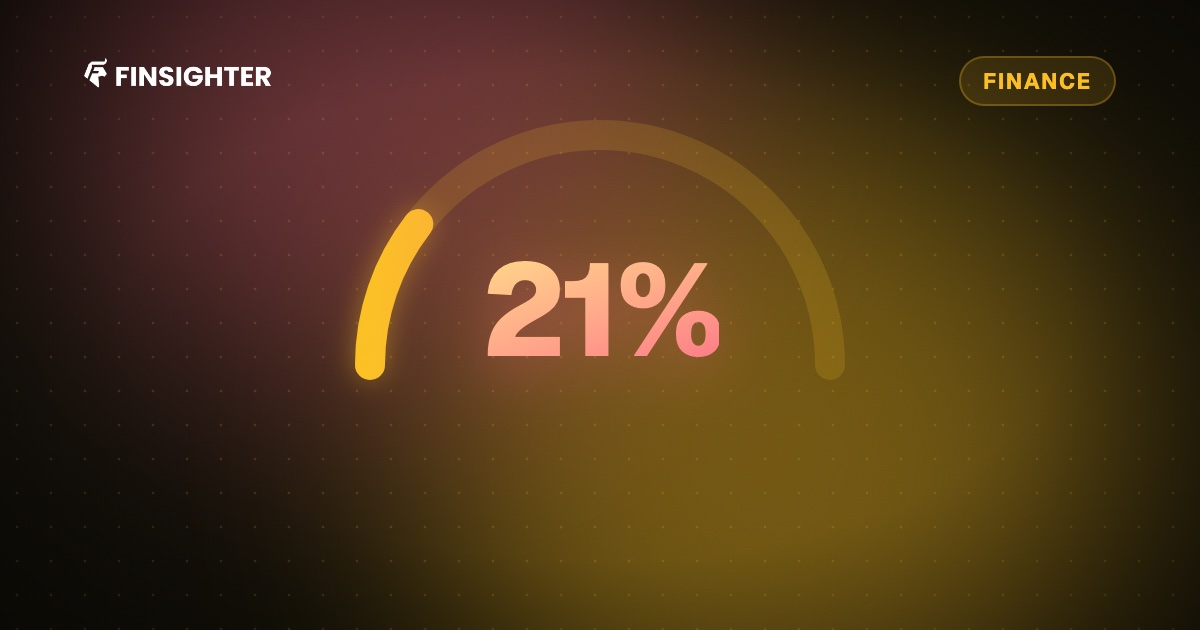
- Nvidia, Apple and Microsoft now carry more than 21% of the S&P 500, a record that leaves the 1980s trio in the dust.
- At 21.0x forward earnings, the index is no longer a bargain hunter's paradise; you're paying a premium for the profits.
- Earnings are still delivering, but a premium price only holds while revisions keep improving.
- Sticky inflation keeps the Fed from sounding relaxed, which keeps valuation stress on the table.
- Check your index fund: you may own a lot more of three tech giants than you think.
The S&P 500 just had one of those stretches that tests your nerve. It sank to its lowest close since late July, then bounced on the back of Nvidia's results.
Look closer and the story is bigger than one bad day. Nvidia, Apple and Microsoft now carry more than one-fifth of the entire index, while valuations sit above their long-run averages.
So what actually holds this market up, and what rattles it? Let's get started.
Watching the S&P 500 Wobble
The S&P 500 has been having a rough patch, and the tape shows it. Picture a tide going out: even strong swimmers feel the pull. The index closed at its lowest level since late July, with 17 of 20 stocks sliding.
Four straight losing sessions left nerves frayed. Worries about rich AI valuations and the interest-rate backdrop did the damage, even as the index clawed back part of its intraday losses before the bell. Then Nvidia reported results above expectations after the close, and futures bounced the next morning.
Yet a bounce is not a verdict. Investors were also waiting on the Federal Reserve's October meeting minutes and housing data, and rates still decide how generously the market prices growth-hungry tech names. One good earnings report doesn't repair a shaky mood.
Measuring Mega-Cap Concentration
Imagine a stadium where three fans hold up the entire roof. That's the S&P 500 right now. Nvidia, Apple and Microsoft together carry more than 21% of the index, a record by any measure Wall Street has kept.
History offers one rival. In the mid-1980s, IBM, AT&T and ExxonMobil together reached 13.4%, and today's trio towers over that. Nvidia leads the charge, having announced a $150 billion buyback, the largest single increase in a repurchase authorization in history, while its share price climbed to record levels.
Apple is trading near a record after its product event, and Microsoft rose as analysts lifted earnings estimates on Azure demand. The catch: when a handful of mega-caps lead, a stumble in one of them moves the whole index, not just a corner of it.
Pricing the S&P 500 Premium
Cheap is no longer on the menu. The S&P 500 trades at 21.0x forward earnings, a price tag that asks for good behavior in return. Think of it as paying first-class fare and expecting the seat to recline.
That multiple sits above the five-year average of 19.9x, according to FactSet. The justification is real: 84% of companies beat earnings estimates in the first quarter, so profits are showing up. Investors are simply paying a premium for that reliability.
But a premium is a promise with a short fuse. Rich pricing holds only while earnings revisions keep improving; once those flatten, the market reprices before the economic data turns weaker. Watching the coming earnings seasons matters more than any grand theory about where stocks belong.
Reading Inflation and Rates
Inflation is the guest who won't leave the party. April consumer prices ran at 3.8% year over year, and the Fed can't sound relaxed with numbers like that. Every hot reading keeps the rate debate alive.
Core PCE, the Fed's favorite gauge, stood at 3.2% in March. Meanwhile Goldman Sachs Research put recession odds at only 20% and sees growth holding up. The economy is standing; prices just aren't cooperating, which is a stubborn kind of good news.
Why care? Because easier policy depends on inflation cooling. If readings keep easing, valuation stress eases with them. If they stall, stocks can still climb, but they need more earnings support and less storytelling. Discipline beats panic here, and a rich market has little room for sloppy narratives.
Judging S&P 500 Breadth
A rising index can hide a lot of stragglers. Breadth, the share of stocks actually joining the rally, tells you whether the party is crowded or whether three people are dancing alone.
Through April, the S&P 500 was up 4.93% year to date, yet the average stock gained just 0.43%, according to S&P Dow Jones Indices. Only 47.8% of names beat the index. The headline number is flattering a narrow group of large-cap winners.
A healthier bull market spreads out: more sectors, more styles, more hands on the wheel. Watch whether the rally reaches beyond mega-cap AI names. If it doesn't, index-level gains are doing most of the talking, and that's a thin foundation for a market priced at a premium.
Long Story Short
The S&P 500 is two things at once: a proven earnings machine and a market leaning hard on a few shoulders. Record concentration, a premium valuation and sticky inflation make a tricky mix. None of that spells panic, but all of it asks for attention. For your own portfolio, check how much of your index fund is really Nvidia, Apple and Microsoft. Look for signs the rally is widening beyond mega-cap AI names. Keep an eye on earnings revisions and inflation readings, because those two dials decide how generous the market stays. The outlook stays constructive, not euphoric. Bull markets rarely end because people noticed the risks; they end when the risks stop being noticed. Staying curious beats staying nervous.