S&P 500 Rebounds From AI Selloff Lows as Dip-Buyers Step Back In
Explore how the AI selloff pushed the Nasdaq down more than 4% early on Wednesday, why buyers rushed in before Thanksgiving, and what thin holiday volume says about the bounce.

Key Takeaways
- The Nasdaq fell more than 4% early Wednesday, yet buyers hauled it well off the lows by the close.
- The Dow was the outlier, finishing in positive territory while the S&P 500 and Nasdaq ended lower.
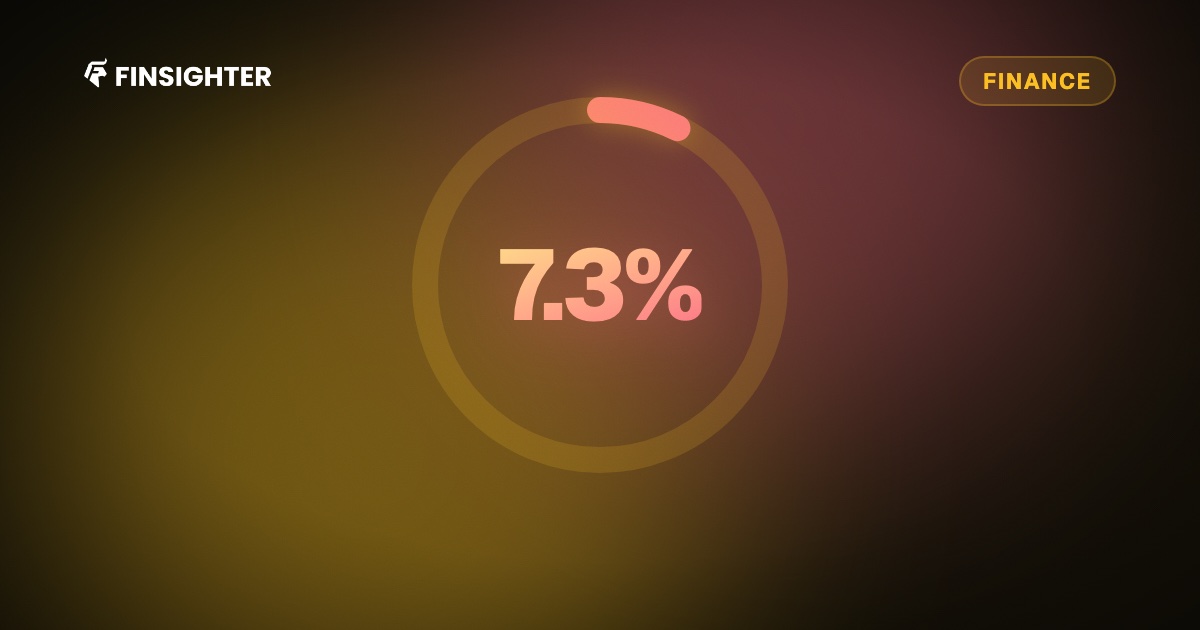
- The tech-heavy Nasdaq is down 7.3% for November, so one bounce hasn't erased the damage.
- Tariff proposals on 14 trading partners and a hawkish Fed path complicate the AI valuation debate.
- Thin holiday-week volume can exaggerate moves, so treat the rebound as a question, not an answer.
- An October rout hit the semiconductor index far harder, proving the AI worry isn't new.
Wednesday's close wasn't pretty, but it was far prettier than the middle of the session. The Nasdaq fell more than 4% early, and the S&P 500 briefly touched correction territory. Then buyers showed up, ready to catch the falling knife.
The trigger was a selloff in artificial-intelligence stocks, joined by fresh tariff threats. By the closing bell the S&P 500 and Nasdaq Composite were lower, while the Dow Jones Industrial Average finished in positive territory. Thanksgiving was a day away, and holiday-week buyers had little patience for red screens.
So is this a bargain hunt or a head fake? We unpack the AI jitters, the tariff headlines and an earlier October rout that rhymes with this one. Let's get started.
Surviving the AI Selloff
Wednesday felt like a boxing match with a happy ending of sorts. Picture a fighter staggering into the ropes, then swinging back before the bell.
The Nasdaq sank more than 4% early, and the S&P 500 briefly touched correction territory. Then dip-buyers stepped in and pared the losses, sending both benchmarks to a close that was lower but far above the lows. The Dow ended in positive territory.
Still, a bounce isn't a verdict. The tech-heavy Nasdaq is down 7.3% for November, and the bruises haven't faded just because the closing numbers looked friendlier.
Buying the AI Selloff Dip
Wall Street has a reflex, and it fired on cue. Think of dip-buying as a trampoline: the harder the fall, the faster someone rushes in to bounce.
Oliver Pursche of Wealthspire Advisors says broad selloffs tend to throw the baby out with the bathwater, leaving discrepancies for investors to exploit. Value beat growth, with the Russell 1000 value index up 0.4% while its growth counterpart dropped 0.8%. HP leapt 11.5% on better-than-expected results.
Yet the bounce arrived on thin holiday-week volume, which can exaggerate moves. A reflex isn't a conviction, and the market closes Thursday and shuts early Friday, so the next real test waits for fuller trading floors.
Weighing Stretched AI Valuations
AI valuations are the elephant on the trading floor, and the elephant has been restless for weeks. When the company at the center of the AI trade stumbles, everyone feels the floor shake.
Jensen Huang resigned as chief executive earlier this month, and the board reinstated him on Monday, which did little to calm nerves. Nvidia slid 3.9% and Amazon lost 3.1%. At one point the Nasdaq 100 sat 20% below its record close, brushing bear-market territory.
Charlie Ripley of Allianz Investment Management calls it a sentiment-driven selloff and notes that, on price-to-earnings, some companies are starting to look more attractive. Cheap-looking isn't the same as safe, though, and regulatory worries after the Democratic sweep in the midterms keep the pressure on.
Facing Tariffs and Rate Hikes
Tariffs are the uninvited guest at every dinner table. Washington proposed duties on goods from 14 trading partners, targeting what it describes as structural excess industrial capacity.
Investors also absorbed data showing the US economy expanded much faster than first estimated in the third quarter, while inflation accelerated again in October. That reinforces expectations that the Federal Reserve will raise rates next month and once more in early 2027.
Peter Cardillo of Spartan Capital Securities argues tariffs are somewhat responsible for inflation, which works against what the Fed is trying to do. Strong growth is welcome news. Strong growth plus hot prices plus a hawkish Fed is a tougher recipe for richly valued stocks.
Reading the October AI Selloff
This isn't the first AI wobble of the autumn. On an October Thursday, the Nasdaq dropped 2.6%, its steepest daily fall since early June, as big earnings reports reignited fears about the AI spending race.
Meta beat expectations yet slid 7.0% after posting its first cash outflow in more than a decade on AI spending. The Philadelphia semiconductor index plunged 6.7% and sits more than 26% below its June record, though it's still up 51.5% for the year.
Paul Nolte of Murphy & Sylvest put it bluntly: investors are starting to see holes in the AI story, and indexes weighted heavily toward technology feel every one. Meanwhile, Procter & Gamble and Lockheed Martin rose after earnings, a reminder that the pain was concentrated in tech.
Long Story Short
Wednesday told two stories at once. The selloff was real, with the Nasdaq down 7.3% for November and the Nasdaq 100 brushing bear-market territory at one point. The rebound was real too, as buyers met the selling near the lows. The practical lesson is humility. A bounce on thin holiday volume isn't proof that the downtrend is finished, and a break below Wednesday's intraday low in the S&P 500 would signal that dip-buyers have been overwhelmed. Keep an eye on the VIX too, because a climb back toward its session peak points to stress returning. Cheaper multiples are tempting, but tariffs and a hawkish rate path pull on both sides of the rope. Looking ahead, the market closes Thursday and shuts early Friday, so fuller trading floors deliver the next honest verdict. Until then, it pays to separate a company's story from the crowd's mood. Fear makes for loud days, but it rarely makes for good price discovery.