STMicroelectronics Q3 2025 Earnings Beat Expectations Amid Sector Challenges
Discover how STMicroelectronics’ Q3 2025 earnings surpassed Wall Street forecasts with strong sequential revenue growth despite a slight annual dip, revealing key insights into semiconductor market dynamics.

Key Takeaways
- STMicroelectronics beat earnings estimates with adjusted EPS of 29 cents.
- Q3 2025 revenue showed a 14.6% sequential increase but a 2.5% year-over-year decline.
- Adjusted earnings exclude one-time gains and costs for clearer operational insight.
- Sequential growth signals recovery amid semiconductor market headwinds.
- Investors focus on STM’s cost control and strategic positioning.
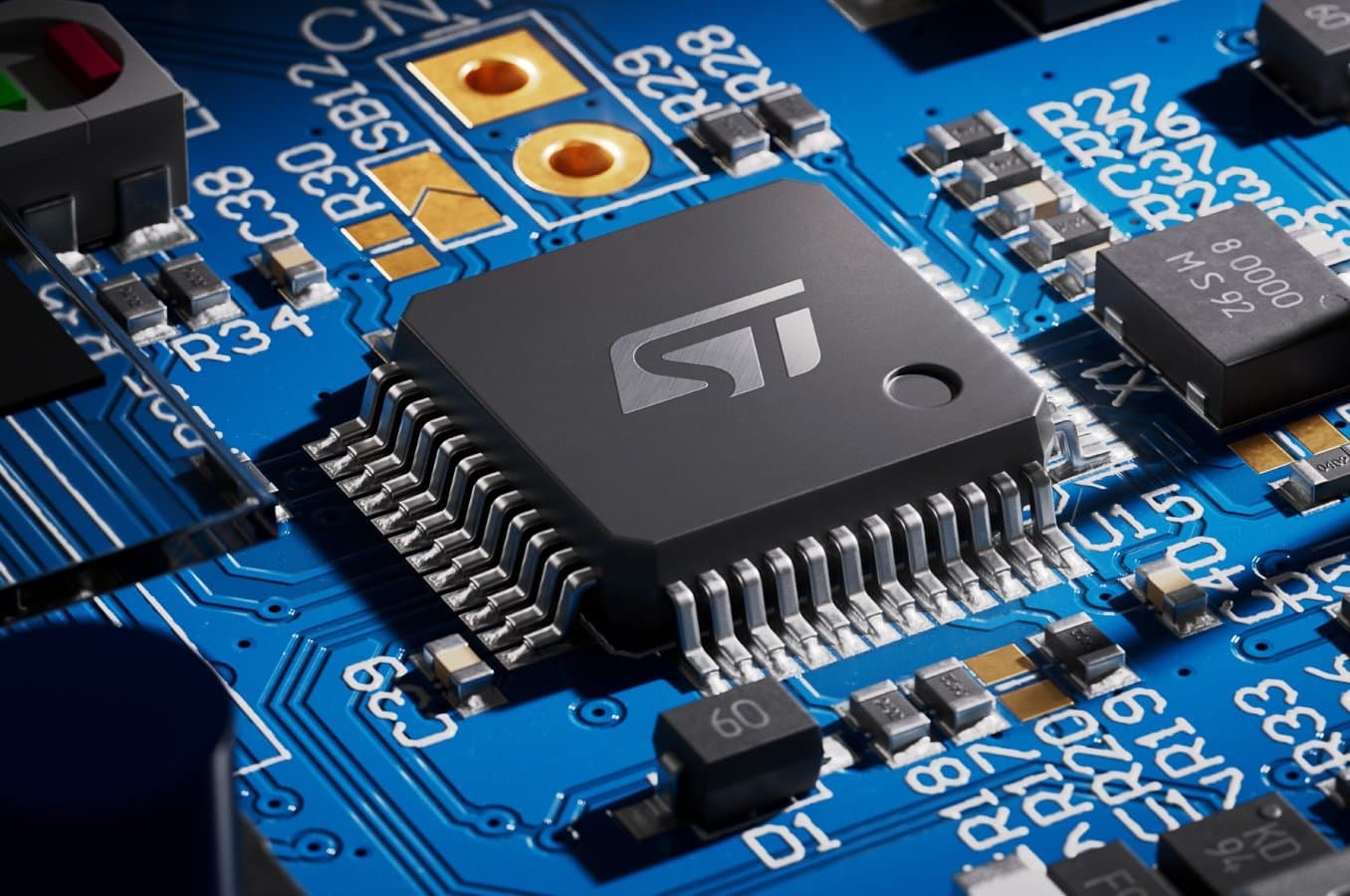
STMicroelectronics (STM), a heavyweight in the semiconductor world, just dropped its Q3 2025 earnings report, and it’s a story of beating the odds. The company posted adjusted earnings per share of 29 cents, comfortably above the 22-cent consensus forecast. Revenue came in around $3.17 billion, marking a solid 14.6% jump from the previous quarter, even if it slipped 2.5% compared to last year. This mix of growth and decline paints a vivid picture of a sector in flux.
The semiconductor industry in 2025 is no stranger to turbulence, with shifting demand in consumer electronics and industrial markets. STM’s results reflect this rollercoaster, showing resilience through operational efficiency and smart cost management. This article unpacks the numbers, debunks myths about semiconductor earnings, and reveals what these results mean for investors and the industry.
Ready to dive into the details? Let’s explore how STM’s Q3 performance signals both challenges and opportunities in a complex market environment.
Beating Earnings Expectations
STMicroelectronics’ Q3 2025 earnings surprised many on Wall Street. Adjusted earnings per share came in at 29 cents, outpacing the average analyst estimate of 22 cents. That’s not just a number—it’s a sign of operational muscle in a sector where volatility is the norm. Imagine a runner who not only keeps pace but sprints ahead when the track gets rough. That’s STM’s story this quarter.
The adjustment for one-time gains and costs means the company’s core business is performing well, not just riding a lucky break. Investors often get wary when earnings are propped up by unusual items, but STM’s figures show genuine profitability. This kind of clarity is refreshing in a world where earnings reports can feel like decoding secret messages.
This beat also reflects effective cost control and strategic focus. When the semiconductor market faces softness, trimming the fat and optimizing product mix become survival skills. STM’s Q3 results suggest it’s not just surviving but thriving in this environment.
Navigating Revenue Shifts
Revenue is the heartbeat of any company, and STM’s $3.17 billion in Q3 2025 tells a layered story. On one hand, the 14.6% sequential increase signals a rebound from earlier softness. Think of it as a breath of fresh air after a tough sprint—customers are buying more, inventory levels are normalizing, and demand is picking up.
Yet, the 2.5% year-over-year decline reminds us that the semiconductor sector isn’t out of the woods. Softer demand in consumer electronics and industrial segments is a reality, reflecting broader economic and technological shifts. It’s like climbing a hill only to find another peak ahead.
This duality challenges the myth that revenue growth is always linear. STM’s results show that in tech, progress often comes in waves, not straight lines. Understanding this helps investors set realistic expectations and appreciate the company’s resilience.
Mastering Cost Control
One of the unsung heroes behind STM’s strong earnings is its cost management. Adjusted earnings exclude one-time gains and costs, shining a spotlight on how well the company controls its day-to-day expenses. It’s like trimming the sails to catch the wind just right.
In a sector where raw material prices, supply chain hiccups, and fluctuating demand can wreak havoc, keeping costs in check is a superpower. STM’s ability to deliver better-than-expected profits despite revenue challenges suggests it’s wielding this power effectively.
This disciplined approach not only cushions the company against market swings but also builds investor confidence. After all, profits that come from smart management are more sustainable than those from luck or one-offs.
Reading Market Signals
STM’s Q3 results are a mirror reflecting broader semiconductor market trends. The sequential revenue growth hints at a recovery phase, possibly linked to inventory normalization and cyclical demand improvements. It’s like the market catching its breath before the next big move.
However, the slight year-over-year revenue dip signals persistent headwinds. Softer demand in key sectors like consumer electronics and industrial applications means the road ahead remains bumpy. This challenges the myth that semiconductor growth is unstoppable—sometimes, it’s a game of patience and adaptation.
Investors watching STM can glean insights into how the sector balances these forces. The company’s performance suggests that while challenges remain, strategic execution can carve out pockets of strength.
Looking Ahead Strategically
The Q3 2025 snapshot sets the stage for what’s next at STMicroelectronics. Wall Street’s gaze will focus on how STM manages costs and sustains profitability amid fluctuating demand. The company’s commentary on upcoming product launches and strategic investments will be key.
Expansion into emerging markets and new application domains could be the growth engines to watch. In a sector where innovation is king, staying ahead means more than just cutting costs—it means betting on the right technologies and markets.
STM’s Q3 performance highlights a company ready to adapt and innovate. For investors, it’s a reminder that in the semiconductor world, agility and foresight often trump sheer size or past glory.
Long Story Short
STMicroelectronics’ Q3 2025 earnings tell a nuanced tale: strong sequential revenue growth paired with a slight annual dip amid a tough semiconductor landscape. The company’s ability to exceed earnings expectations while adjusting for one-time items underscores disciplined management and operational strength. For investors, this means STM is navigating sector headwinds without losing its footing. Looking forward, the spotlight will be on STM’s strategic moves—how it invests in innovation, manages costs, and adapts to fluctuating demand. The semiconductor market’s ups and downs aren’t going away, but STM’s Q3 results suggest it’s well-positioned to ride the waves. For those watching the tech sector, STM’s story is a reminder that resilience and smart execution matter just as much as headline revenue numbers. The relief of a company that can grow sequentially despite challenges is a signal worth noting in your investment radar.