Switzerland’s Competitiveness Strategy Amid US Tariffs Unveiled
Discover how Switzerland’s top-ranked competitiveness thrives despite US tariffs through agile policies, infrastructure, and market diversification, offering a blueprint for resilient economies worldwide.

Key Takeaways
- Switzerland tops IMD competitiveness ranking in 2025
- US tariffs hit 10% of Swiss exports, prompting policy shifts
- Government efficiency and infrastructure lead Switzerland’s strengths
- Swiss firms diversify markets to offset tariff impacts
- Strong Swiss franc supports economic stability amid trade tensions
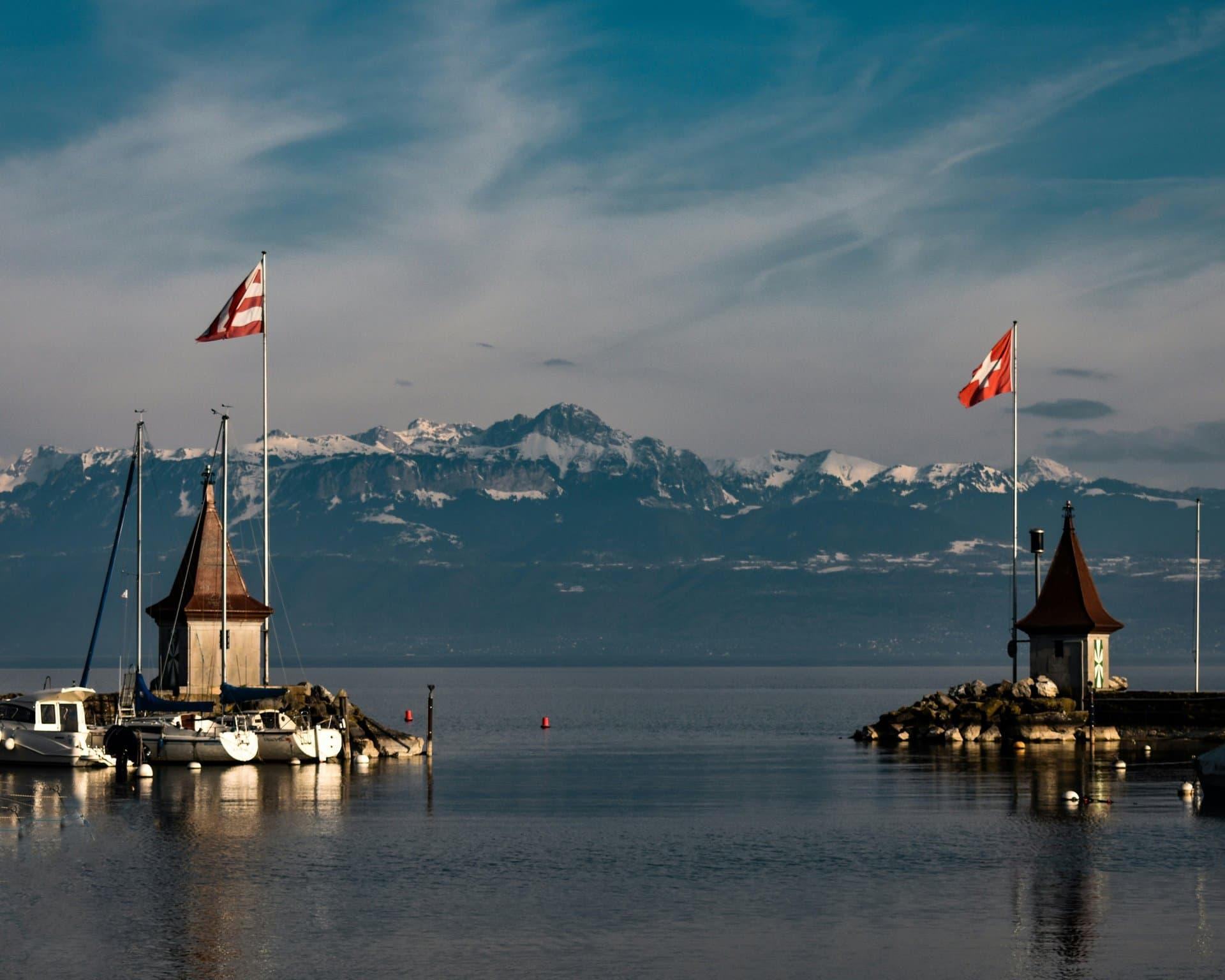
Switzerland has reclaimed its crown as the world’s most competitive economy in 2025, a remarkable feat amid rising global trade tensions and hefty US tariffs. When the United States slapped a 39% tariff on a slice of Swiss goods, the Swiss government didn’t flinch—they doubled down on policies to ease regulatory burdens and boost business agility. This story isn’t just about tariffs; it’s about resilience, adaptability, and a blueprint for thriving when the economic winds shift. In this article, we’ll unpack Switzerland’s strategic moves, from government efficiency to market diversification, revealing how this alpine nation stays ahead in the global race.
Navigating US Tariffs
Imagine waking up to a sudden 39% tax on your exports—that’s the reality Swiss companies faced when the US imposed tariffs on about 10% of their goods. It’s a punch to the gut for any export-driven economy. But Switzerland’s government responded swiftly, focusing on cutting red tape and delaying costly new regulations to ease the burden on businesses. This isn’t just damage control; it’s a strategic pivot. By reducing the regulatory weight, Swiss firms gain breathing room to innovate and compete despite higher costs. The government’s stance is clear: no recession on the horizon like past crises, just a determined push to adapt and thrive. This proactive approach turns a tariff threat into a catalyst for smarter economic policies.
Harnessing Government Efficiency
Switzerland’s secret weapon? Its government efficiency, ranked number one globally by the IMD. Think of it as a well-oiled machine where policies move fast, and bureaucracy doesn’t choke innovation. This efficiency means Swiss businesses face fewer hurdles, allowing them to pivot quickly when trade winds shift. The government’s agile economic agenda isn’t just talk—it’s a practical shield against shocks like tariffs. By fostering an inclusive and forward-looking regulatory environment, Switzerland builds investor confidence and keeps its economic engine humming. It’s a reminder that behind every thriving economy is a government that knows when to step in—and when to step back.
Building World-Class Infrastructure
Infrastructure might sound dull, but it’s the backbone of Switzerland’s competitiveness. Ranked first globally, Swiss infrastructure—from transport to digital networks—fuels productivity and innovation. Picture a business landscape where goods move swiftly, data flows seamlessly, and connectivity sparks creativity. This robust foundation helps Swiss companies absorb shocks like tariffs by keeping costs down and efficiency high. Investments in digital literacy and sustainability further future-proof the economy, blending tradition with cutting-edge progress. In a world where speed and reliability matter, Switzerland’s infrastructure is a competitive edge that turns challenges into opportunities.
Diversifying Markets Smartly
Relying on a single market is like putting all your eggs in one basket—risky and shortsighted. Switzerland knows this well. Faced with US tariffs, Swiss companies are broadening their horizons, tapping into alternative international markets beyond the usual suspects. This strategic diversification cushions the blow from protectionist moves and opens fresh avenues for growth. It’s a savvy dance of spreading risk and seizing new opportunities, ensuring that when one door closes, several others swing wide open. This approach not only stabilizes exports but also strengthens Switzerland’s global trade web, making it less vulnerable to geopolitical tremors.
Leveraging Monetary Strength
The Swiss franc isn’t just a currency; it’s a symbol of trust and stability. Its strength acts like a financial fortress, shielding the economy from inflationary pressures and market volatility stirred by trade conflicts. Policymakers carefully balance this strength to keep exports competitive without sacrificing economic resilience. This delicate dance ensures Swiss businesses can weather storms without losing their footing. A strong currency signals confidence to investors and partners alike, reinforcing Switzerland’s position atop the competitiveness rankings. It’s a reminder that sometimes, the quiet power of monetary management speaks louder than flashy headlines.
Long Story Short
Switzerland’s journey through the storm of US tariffs offers a masterclass in economic resilience. By streamlining regulations, investing in world-class infrastructure, and nurturing diverse trade partnerships, it has transformed potential setbacks into stepping stones. The strength of the Swiss franc and a forward-looking policy framework act as anchors in turbulent times, ensuring businesses can innovate and adapt without losing momentum. For economies grappling with protectionism and uncertainty, Switzerland’s playbook underscores the power of stable governance and agility. The relief of a funded emergency account is sweet; similarly, a nation’s economic safety net is priceless. As global trade continues to evolve, Switzerland’s example lights the way for others aiming not just to survive, but to thrive.