US Producer Prices Surge in July 2025: Inflation’s Persistent Pulse
Explore how the July 2025 US producer price index spike reveals inflation’s grip on goods and services, shaping consumer costs and Federal Reserve moves in the months ahead.

Key Takeaways
- US producer prices hit a record 149.67 index points in July 2025
- Services prices soared 1.1%, goods prices jumped 0.7% in July
- PPI’s 12-month rise reached 3.3%, up from 2.4% in June
- Rising producer costs signal persistent inflation pressures ahead
- Federal Reserve’s interest rate decisions hinge on inflation data
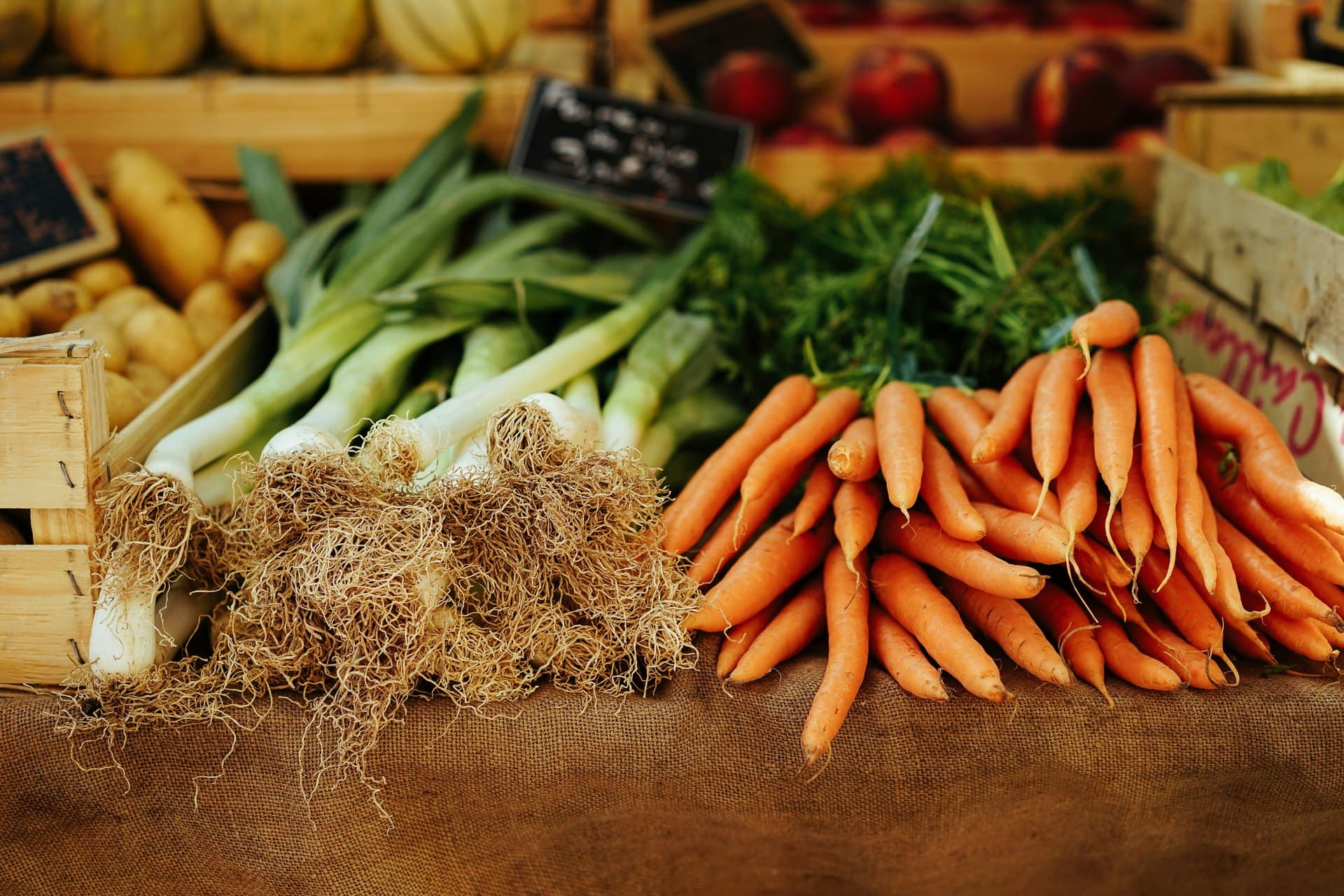
July 2025 brought a jolt to the US economy as producer prices surged beyond expectations, climbing to an all-time high of 149.67 index points. This jump, fueled by sharp increases in both goods and services costs, paints a vivid picture of inflation’s stubborn persistence. From vegetables to freight transport, the price pressures ripple through sectors, hinting at what consumers might soon face at checkout lines. The Federal Reserve, watching closely, balances on a knife-edge, weighing inflation’s heat against economic growth. This article unpacks the July PPI data, explores its drivers, and reveals what it means for your wallet and the broader economy.
Tracking Producer Price Index
Imagine the Producer Price Index (PPI) as the economic thermometer measuring the heat producers feel when setting prices for their goods and services. In July 2025, this thermometer hit a record 149.67 points, up from 148.27 in June, marking the highest level ever recorded. This jump wasn’t a subtle flicker but a clear surge, signaling that producers are paying more across the board. Historically, the PPI averaged 119.14 points from 2009 through 2025, so this recent spike underscores a persistent climb in costs that’s been accelerating in recent years.
Why does this matter? Because PPI is a leading indicator—it often foreshadows what consumers will pay down the line. When producers face higher input costs, those expenses tend to trickle down, nudging up consumer prices. So, this July’s PPI surge is more than a statistic; it’s a harbinger of inflation’s stubborn pulse, affecting everything from your grocery bill to service fees.
Unpacking Goods and Services Costs
July’s PPI jump wasn’t confined to one corner of the economy—it was a broad-based surge touching multiple sectors. Goods prices vaulted 0.7%, the biggest gain since January, with notable hikes in vegetables, meat, and eggs. On the flip side, services prices soared 1.1%, the largest increase since March 2022, driven by rising costs in machinery wholesaling, portfolio management, hotels, motels, and freight transportation.
This dual surge tells a story of widespread inflationary pressure. It’s not just raw materials or energy pushing prices up; services—often overlooked—are also becoming more expensive. For businesses, this means higher operational costs, and for consumers, it’s a warning that the price tags on both products and services are likely to keep climbing. The ripple effect is clear: when both goods and services heat up, inflation’s grip tightens across the economy.
Inflation’s Broader Economic Impact
The July 2025 PPI data reveals more than just rising prices—it exposes the undercurrents shaping the US economy’s inflation trajectory. Over the past 12 months, producer prices increased 3.3%, up from 2.4% in June, reflecting persistent inflationary forces. This steady climb challenges businesses’ profit margins, especially for those unable to pass on higher costs to customers. The squeeze can lead to tighter budgets, delayed investments, or even layoffs.
For consumers, the implications are tangible. As producers pay more, those costs often cascade into higher retail prices, eroding purchasing power. The Federal Reserve watches these signals closely, balancing interest rate policies to tame inflation without stalling growth. July’s data suggests inflation remains a stubborn beast, complicating the Fed’s path forward and keeping the economy on edge.
Federal Reserve’s Inflation Challenge
July’s producer price surge adds a complex layer to the Federal Reserve’s inflation puzzle. Despite the PPI jump, the Fed held its benchmark interest rate steady in the 4.25%-4.50% range for the fifth consecutive time since December. This cautious stance reflects the delicate balance policymakers face: cooling inflation without tipping the economy into recession.
Underlying inflation measures, like the core Personal Consumption Expenditures (PCE) Price Index, nudged up to 2.9% year-on-year in July, edging closer to the Fed’s 2% target. Meanwhile, tariffs and supply chain disruptions continue to push goods prices higher. The Fed’s next moves hinge on these evolving inflation signals, making July’s PPI report a critical piece in the decision-making mosaic. For everyday Americans, this means interest rates and borrowing costs could stay elevated longer than some expect.
Navigating Inflation’s Ripple Effects
Inflation’s ripple from producer prices to your wallet isn’t always straightforward, but July 2025’s data makes one thing clear: rising costs are here to stay for now. Businesses face the tough choice of absorbing higher input prices or passing them on to consumers, who in turn feel the pinch at grocery stores, gas pumps, and service counters.
Understanding this dynamic helps demystify the headlines and empowers smarter financial decisions. Whether you’re a consumer budgeting for essentials or a business planning costs, recognizing the broad-based nature of inflation can guide strategies to weather the storm. The relief of a funded emergency account or the confidence in a flexible budget becomes more than financial jargon—it’s your shield against inflation’s persistent pulse.
Long Story Short
The July 2025 spike in US producer prices isn’t just a number—it’s a signal flaring across the economy. With services and goods both pushing costs higher, inflation’s grip tightens, challenging businesses and households alike. For consumers, this means the sting of pricier essentials and services may linger. For companies, the squeeze on profit margins intensifies if they can’t fully pass costs along. The Federal Reserve’s steady interest rates reflect this delicate dance, as policymakers weigh inflation’s persistence against economic resilience. Staying informed and adaptable is key—whether you’re budgeting for groceries or planning business investments, understanding these inflation dynamics helps you navigate the uncertain road ahead with confidence and clarity.