Wall Street Rebounds as Battered AI Stocks Stir a Volatile Week
Unpack how investors flocked back to AI stocks after a steep selloff, lifting Wall Street for the week while inflation worries and a looming Fed rate hike test the rebound.

Key Takeaways
- Oversold markets behave like beach balls held underwater: let go and they pop up, and AI-linked shares popped highest.
- Chipmakers bounced hard, but Nvidia's leadership drama kept the group's mood jumpy.
- Democrats' midterm win split the AI trade: cash-rich heavyweights rose while data centre operators slumped.
- A handful of mega-cap tech names drive an outsized share of returns, which makes the whole market only as steady as they are.
- Inflation is spreading from energy into food and other costs, and traders almost fully price in a December Fed hike.
- Gold miners, banks and payment processors showed the rally had company beyond AI.
Imagine a market so beaten down that a single good day feels like a jailbreak. That was Wall Street this week, swinging between bargain-hunting and fear as AI-linked shares grabbed the wheel. Reuters called it a volatile week with a hard-hit AI trade at its center.
Investors alternated between snapping up cheap shares and fretting over soaring AI costs, heavy borrowing and doubts about returns on investment. Add leadership drama at Nvidia, politics out of Washington and a Fed bracing to raise rates, and the plot thickens fast.
The scorecards differ by outlet, but the thread holds: AI sets the mood and everything else reacts. We unpack what drove the swings and what to watch next. Let's get started.
Riding the AI Stocks Rebound
Picture a beach ball held underwater: let go, and it shoots up. That was Wall Street after Thanksgiving, when investors flocked back to AI-linked shares that had taken a beating. The market was so oversold, one strategist said, that a bounce was inevitable.
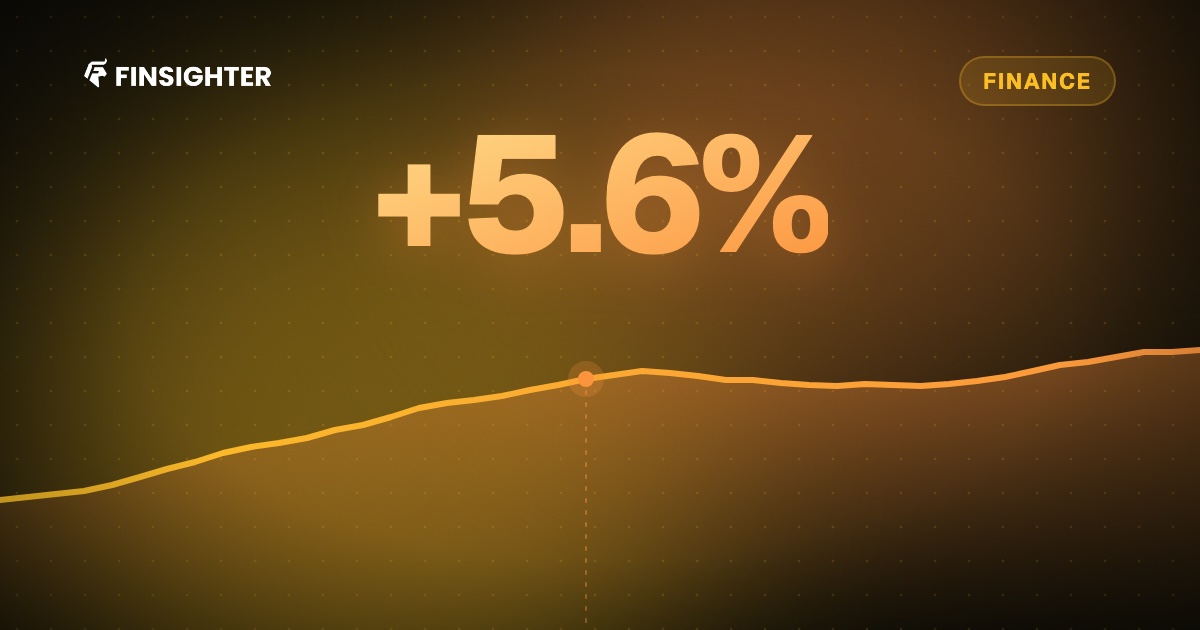
Reuters tallied the S&P 500 up 1.60% on the day and 5.6% for the week. Morgan Stanley's Andrew Slimmon pointed to fast money that delevered out of tech and is now forced to chase back in, a stampede in reverse.
The AP's read of its own Friday was grimmer: the S&P 500 slipped 0.4% as big AI companies pulled back, yet it still logged a winning week. Scorecards differ by outlet. The pattern doesn't: AI sets the tempo.
Tracking Chipmakers' Comeback
Chipmakers spent November as punching bags. Then came the bell. Picture a boxer, bruised and nearly counted out, who stands up and starts swinging again. That was the chip trade on Friday, with investors treating battered names as bargains.
Micron gained 7.6% and the broader chip gauge climbed 4.7%, according to Reuters. Data-storage firm Sandisk surged almost 16%, while Lumentum and Dell also gained sharply. Nvidia, the sector's bellwether, stayed weak for most of the session before ending slightly higher.
AP painted a rougher Friday for the group. Nvidia slid, and Broadcom and AMD handed back their earlier-week surges as the management shake-up at Nvidia unfolded. The takeaway: chips rebound in jagged lines, never straight ones.
Weighing AI Stocks' Heavy Costs
Every boom sends a bill, and the AI bill is arriving. Investors alternated between bargain-hunting and fretting over soaring AI costs, heavy borrowing and doubts about whether the spending will ever pay for itself.
Politics added a twist. When Democrats took Congress, the AI trade split: cash-rich heavyweights like Microsoft and Amazon rose, while data centre operators such as Hut 8 and IREN slumped. A slower buildout eases cash demands on big tech but squeezes companies whose growth depends on speed, as Citi's Scott Chronert noted.
Edward Jones strategist Angelo Kourkafas flagged the deeper worry: a small number of mega-cap tech stocks drive an outsized share of returns. AP reported Nvidia's fallout cost its market cap just under $600 billion this week.
Watching Inflation and the Fed
Behind the AI drama sits a quieter villain: inflation, the houseguest who won't leave. Rising energy prices from the Iran war squeeze household budgets directly, and pricier gas and diesel raise the cost of anything that ships, from food to clothing.
Brent crude settled at $95.84 a barrel, per AP, and the 10-year Treasury yield, which influences mortgage rates, rose to 5.15%. Reuters noted traders almost fully price in a Fed rate hike in December after data showed the economy grew much faster than first estimated.
Fifth Third's Chris Osmond warns that inflation is working its way into the broader economy, which makes it harder for the Fed to treat it as temporary. Hikes cool prices, yet they make borrowing costlier and slow growth. The Fed's preferred target sits at 2%.
Spotting Winners Beyond AI
AI hogs the spotlight, but the stage is wider. Gold and silver miners rallied as precious-metal prices recovered from a bruising few sessions, like a tired runner catching a second wind. Newmont gained 5.4%.
Banks joined in, with JPMorgan Chase fueling a rise in the S&P 500 bank index. In AP's report, Visa, Mastercard and Eli Lilly also closed higher, and more than 60% of S&P 500 stocks rose even as AI-heavy names weighed on the index.
Not everyone joined the party. Vertex Pharmaceuticals slid 5.2% after the FDA extended its review of the company's kidney-disease drug by up to three months. Winners and losers rarely read the same headline, and a healthy market needs both.
Long Story Short
So what did the week really teach us? Oversold markets bounce, and AI-linked shares carry the loudest echo. Reuters had the S&P 500 up 5.6% for the week, and AP also logged a winning week, so both pictures agree on who held the baton. The practical read is steady, not heroic. Concentration risk is real when a few mega-cap names drive outsized returns, so check how much of your portfolio quietly rides on the same AI story. Inflation and a December rate hike that economists overwhelmingly expect argue for a cool head about borrowing and leverage. Expect more whiplash. The questions around AI costs, returns on investment, regulation and interest rates haven't been answered, only postponed by a good rally. Stay curious, stay diversified, and treat each bounce as information rather than a verdict.