5 Telecommunications Trends Powering a USD 4,454.3 Billion Market
Explore how telecommunications is shifting from legacy voice to 5G, enterprise networks and IoT, why India leads growth at 8.5%, and what the shift means for operators and job seekers.

Key Takeaways
- Telecommunications services were valued at USD 2,251.2 billion in 2025, and Fact.MR projects USD 4,454.3 billion by 2036.
- India leads country growth at an 8.5% CAGR, riding nationwide 5G expansion by Jio and Airtel.
- Mobile telecom services are expected to hold about 64% share in 2026, so the pocket beats the landline.
- BFSI is expected to hold about 24% share, because banks treat connectivity like a vault door.
- Spectrum costs and infrastructure-sharing rules squeeze margins in mature markets, so growth is not the same as profit.
- Changing jobs into telecom? Check the employer, the employment form and the pay structure, not just the brand on the shopfront.
Imagine owing your entire day to an invisible network. Every tap, transfer and video call rides on telecommunications, yet most of us only notice it when the signal drops.
Fact.MR values the telecommunications services market at USD 2,251.2 billion in 2025 and projects USD 4,454.3 billion by 2036. Deloitte calls the wider sector fast-paced and take-no-prisoners. Meanwhile, job seekers are asking a quieter question: where do I fit in?
We pull those threads together here, from 5G front-runners to bank-grade networks to the shop-floor reality of mobile sales. Let's get started.
Sizing Telecommunications Market Growth
Think of telecommunications as the plumbing behind modern life. Nobody toasts the pipes until the tap runs dry, yet payments, clinics and government services all flow through them.
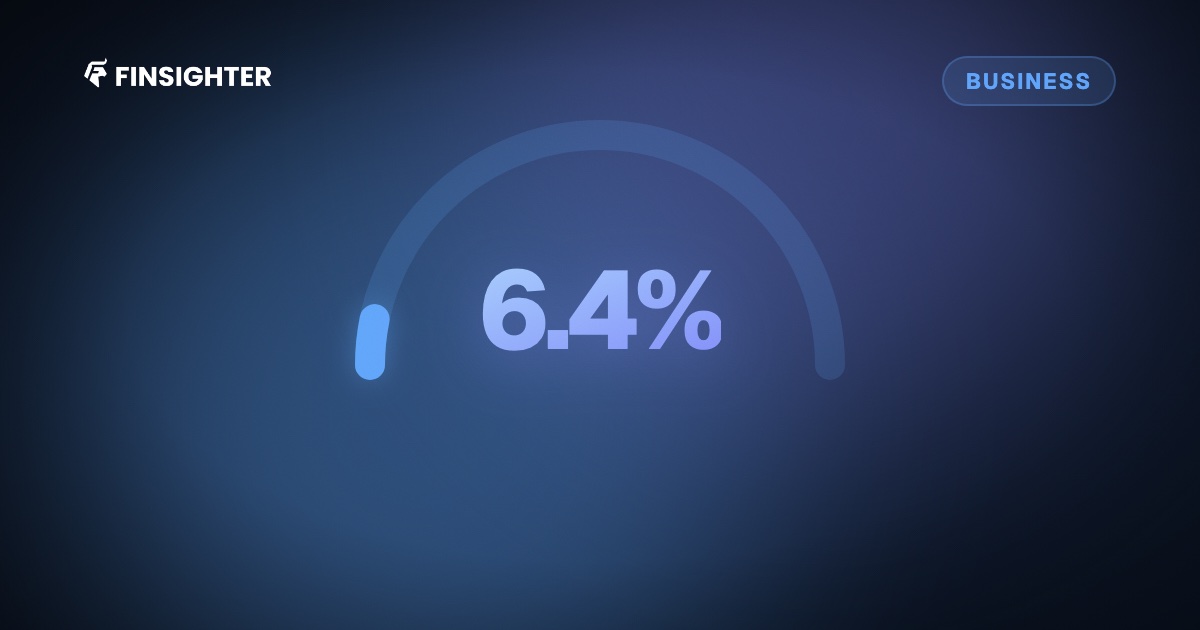
Fact.MR valued the market at USD 2,251.2 billion in 2025 and projects USD 4,454.3 billion by 2036, a 6.4% CAGR. That is a vast network of pipes still being laid, with 5G densification and enterprise digital transformation driving the build.
Big, though, is not the same as effortless. Spectrum licensing costs and infrastructure-sharing obligations squeeze operator margins in mature markets, while cloud providers crowd into unified communications. Growth is real, but it is not free.
Powering Growth Through 5G
Growth in telecommunications isn't evenly spread. It's a relay race where the baton is 5G, and a few countries are already two legs ahead of the field.
India leads at an 8.5% CAGR, thanks to nationwide 5G expansion by Jio and Airtel. China follows at 7.1% on 5G Advanced deployment and broadband investment. Mobile broadband subscriber growth across India, Southeast Asia and Africa adds more fuel.
Mature markets tell a gentler story. Germany grows at 5.0%, backed by enterprise networks, yet infrastructure costs and regulated wholesale access hold back faster expansion. Rich markets, it turns out, can be the slowest runners.
Watching Mobile Dominate Telecommunications
Legacy voice and fixed lines are the landline gathering dust in a hallway drawer. The action has moved to the device in your pocket, and the market has noticed.
Fact.MR expects mobile telecom services to hold about 64% share in 2026, helped by rising subscribers, 5G plan upgrades and enterprise mobile connectivity. North America pulls the highest ARPU globally, thanks to strong enterprise demand and premium 5G pricing.
The catch is consumer broadband. Operators in mature markets face ARPU pressure there, while enterprise connectivity generates significantly higher revenue. The money is drifting toward businesses and away from households, and operators are rewriting their playbooks to follow it.
Securing Banking Connectivity Demand
Imagine a card payment that stalls at the till. Nobody trusts a bank whose network blinks, which is why finance treats connectivity like a vault door.
Fact.MR estimates the BFSI sector will hold about 24% share in 2026. Financial institutions want secure, low-latency, highly reliable infrastructure for real-time transaction systems. The United States grows at 6.4% through enterprise private networks and spectrum deployment.
Banks aren't alone. Healthcare, retail, IT and e-commerce also buy connectivity at scale, and South Korea's 5.8% rate reflects operators expanding 5G-Advanced services for industry. The customer list now stretches well beyond handsets, and the networks are built to match.
Choosing Telecommunications Careers Wisely
A career in telecommunications is not one job, it's a whole neighbourhood of them. The shopfront can read SoftBank while the paycheck comes from someone else entirely.
Carriers like NTT Docomo, KDDI, SoftBank and Rakuten Mobile differ on pay, benefits and career development. Agencies run many mobile shops, so the real employer is sometimes another company. A posting of 250,000 yen a month says little until you check the basic salary, fixed overtime and allowances.
Newcomers are not shut out. Customer service, sales and call centre experience carry over, but mobile sales is more than reception work. It means proposing rate plans, handling contracts and guiding internet lines, depending on the store against sales targets.
Long Story Short
Telecommunications is growing, but it is also changing shape. Legacy voice and fixed-line services are giving ground to 5G mobile broadband, enterprise networks and IoT connectivity. India, China and the United States are setting the pace. For operators and investors, the lesson is to follow the revenue. Enterprise connectivity pays better, and sectors like BFSI demand reliability above all, while spectrum costs and regulation keep margins honest. For job seekers, the advice is plain: judge the employer, the employment form and the pay structure, not the logo above the door. Deloitte describes an ecosystem that keeps changing quickly, from 5G to IoT and beyond, and the market data backs that up. Keep your eyes on 5G, enterprise demand and the fine print. The invisible network starts to look a lot like opportunity.