Flight Cancellations Persist as FAA Ground Stop Fallout Grows
Unpacking why flight cancellations kept rolling across US airports after the FAA's rare nationwide ground stop, and what the router failure says about an ageing air traffic network.

Key Takeaways
- One misbehaving router managed what a lot of storms cannot: it stopped nearly every departing flight in the country.
- Friday was among the worst single days for air travel in US history, and the hangover ran into Sunday.
- Budget carriers took the hardest hit, with JetBlue and American losing the biggest slices of their schedules.
- Getting planes and crews back where they belong takes far longer than reopening the sky.
- The transportation secretary says more disruptions are coming unless Congress funds a new system.
Imagine showing up for a routine flight and finding that the entire country's departures have been told to sit still. That was Friday, when the FAA issued a nationwide ground stop after a communication failure hit its air traffic control centers.
The sky reopened after more than four hours, but the mess did not close with it. Cancellations and delays kept stacking up through the weekend, and passengers were left sleeping on terminal floors while they fought to rebook.
The cause turned out to be strangely small: a router installed during a wiring upgrade. So how does one device stall an entire aviation system, and what happens next? Let's get started.
Unpacking the Router Meltdown
Picture a switchboard where one new operator suddenly shouts down every line at once. Nobody can hear anything, so everybody stops talking. That, in essence, is how a single piece of hardware froze American skies.
Officials traced the breakdown to a router installed during an upgrade from copper wire to fiber optic by contractor L3Harris Technologies. The device fired over 1,000 connection attempts every four to five seconds, swamping older equipment and knocking out communication at every regional control center.
Yet the blame game is still open. Transportation Secretary Sean Duffy wants to know whether an installer slipped up or the router arrived defective, while Homeland Security Secretary Markwayne Mullin says there is no evidence of a cyberattack or an artificial intelligence attack.
Counting Flight Cancellations
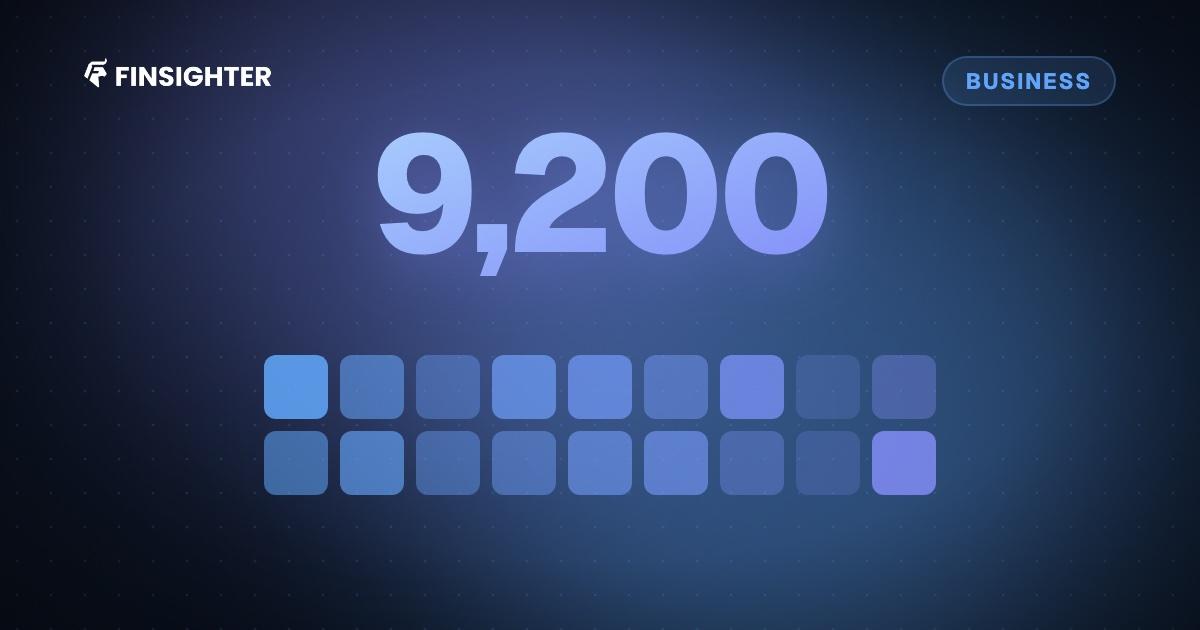
Numbers can numb, so think of the weekend as a hill that Friday built. Friday was one of the worst single days for air travel in US history, with approximately 9,200 flights cancelled.
Saturday brought partial relief, yet 6,695 cancellations still landed on departure boards. By Sunday morning the count had dropped to 1,454, according to FlightAware. The slope is clearly downward, and the FAA has said schedules should largely recover by late Sunday.
But a falling count is not an empty airport. Each cancelled flight leaves a passenger who needs a seat, and those seats only appear as fast as airlines can free them up. The backlog drains slower than the headlines suggest.
Ranking Airlines by Cancellations
A storm hits everyone, but the damage is never shared evenly. Here, the carriers with the leanest operations felt the shock most, because a lean schedule leaves no spare planes to absorb a day like Friday.
JetBlue was hit hardest, with about 28 per cent of its flights cancelled. American Airlines followed with 20 per cent. United, Southwest and Delta fared far better, each losing only a sliver of their schedules by comparison.
The gap tells a quiet story about resilience. When an outage strikes, the airline with slack in its system recovers fast, while the one running tight is left chasing its own aircraft for days. Cheap fares and thin buffers often travel together.
Repositioning Planes and Crews
Reopening the sky is the easy part. Restoring an airline is like picking up a dropped box of puzzle pieces: every plane and every pilot has to find its way back to the right city before the next flight can leave on time.
American Airlines said it was still repositioning aircraft, crews and cargo on Sunday. The ripple reached smaller routes too. Miami's flight AA2705 to Havana, cancelled Saturday, ran three hours and 13 minutes late on Sunday.
Still, airlines are offering some mercy. Delta posted a notice allowing itinerary changes at no additional cost for travel from November 13 to 15. If your trip was caught up in this, ask for the waiver before paying a fee.
Funding a Fix Before Repeats
The scariest part of this story is not the router. It is how ordinary the trigger looks. A routine wiring upgrade at a remote FAA facility was enough to ground the country, something that has happened only three times in aviation history.
The earlier cases were the September 11, 2001 attacks and a 2023 notification system failure. Duffy's warning is blunt: more incidents like this will occur unless Congress and the public back a new system with additional funds.
The National Air Traffic Controllers Association wants a thorough investigation into the policies and practices behind the failure. Whatever it finds, the real question is whether anyone will pay to modernize before the next fragile link snaps.
Long Story Short
The headline numbers are shrinking, and that is real progress. Cancellations fell from the Friday and Saturday peaks to a far smaller pile on Sunday, and the FAA expects operations to largely recover. But a recovering schedule is not the same as a healed system. What the episode exposed is how thin the margin is. A single router during a copper-to-fiber swap was enough to freeze departures nationwide, and only two earlier events in history have done that. Nobody has yet settled whether the fault lay with an installer or the hardware. For travellers, the practical lesson is to check the airline's waiver page before heading to the airport, since carriers like Delta allowed itinerary changes at no extra cost. For everyone else, watch the funding debate in Congress. The people running the system are saying plainly that more disruptions are coming unless it gets rebuilt, and that deserves your attention.