Gold Holds Near $4,000 Amid US-China Trade Truce and Fed Moves
Explore how gold’s price steadies near $4,000 per ounce, balancing US-China trade developments and Federal Reserve rate cuts, revealing fresh insights into this safe haven’s evolving role in 2025 markets.

Key Takeaways
- Gold stabilizes near $4,000 per ounce amid mixed market signals.
- US-China trade truce reduces safe-haven demand but uncertainty keeps prices elevated.
- Federal Reserve rate cuts support gold by lowering opportunity costs.
- Gold’s historic rally faces correction but remains up 47% year-over-year.
- Gold ETFs see outflows, signaling profit-taking amid cautious optimism.
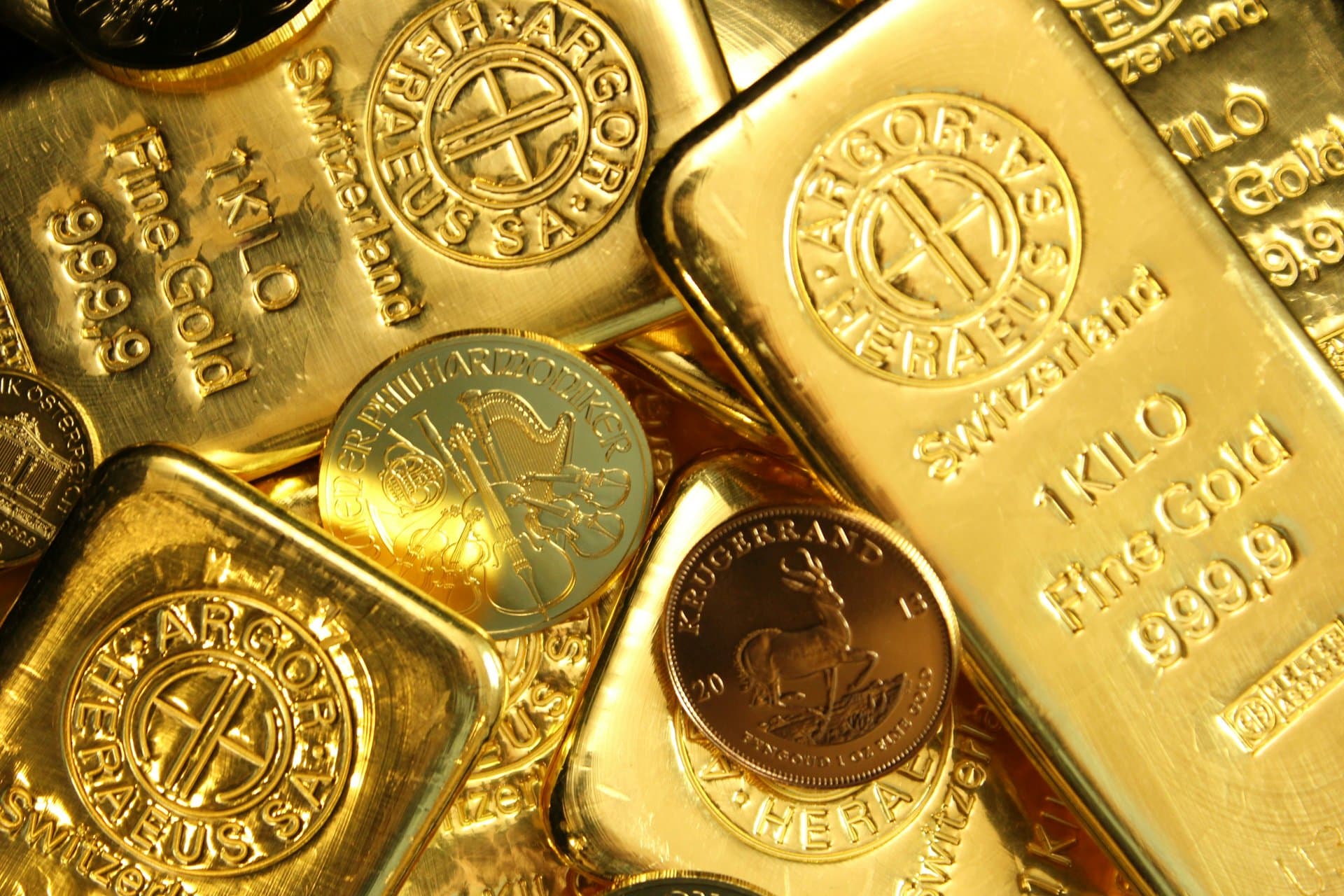
Gold’s glitter isn’t dimming just yet. In 2025, the precious metal has dazzled investors by holding near $4,000 per troy ounce, a price point that echoes its historic highs. This steady shine comes amid a complex dance of global events—most notably, a US-China trade truce and the Federal Reserve’s recent interest rate cuts. These forces tug gold’s price in opposite directions, creating a market narrative rich with tension and opportunity.
The US-China trade truce, a much-anticipated pause in economic brinkmanship, has tempered gold’s role as a safe haven. Investors, once rushing to gold for shelter, are now cautiously stepping back, testing the durability of this newfound calm. Meanwhile, the Federal Reserve’s quarter-point rate cut offers a silver lining, lowering the cost of holding gold and providing a floor beneath its price.
This article unpacks gold’s current market position, exploring how these geopolitical and monetary moves shape its trajectory. We’ll delve into the recent price swings, the forces behind them, and what traders and investors might expect as 2025 unfolds.
Navigating Gold’s Price Swings
Gold’s price dance in 2025 has been nothing short of dramatic. After hitting an all-time high of $4,381.58 per troy ounce earlier in October, the metal settled near $4,000 by the end of the month. This roughly 8% retreat might look like a stumble, but it’s more of a breath before the next move. Imagine a rollercoaster that’s climbed steeply—some dips are just part of the ride.
The month saw gold rise about 4%, adding to a staggering 47% gain year-over-year. These numbers tell a story of intense volatility mixed with strong upward momentum. Traders are balancing profit-taking with the lingering desire to hold onto gold’s safety net. It’s like holding a prized umbrella during a storm that’s easing but not gone.
This consolidation below $4,000 reflects a market digesting multiple signals. Profit-taking is natural after such a rally, but the metal’s ability to hold these levels shows underlying strength. It’s a tug-of-war between those locking in gains and those betting on gold’s continued shine.
Weighing the US-China Trade Truce
The US-China trade truce is the headline act shaking gold’s stage. Historically, trade tensions have sent investors running to gold’s safe embrace. But this truce, a one-year pause in hostilities, has flipped the script—at least temporarily. Traders saw it as a green light to step back from gold and reengage with riskier assets.
Chinese leader Xi Jinping’s call for stable supply chains after meeting President Trump signaled a thaw in relations. This eased fears of prolonged economic disruption, reducing the urgency to seek shelter in gold. Yet, the truce is more of a strategic timeout than a full peace treaty. Both sides are buying time to reduce dependence, not ending competition.
This nuance keeps gold prices supported near $4,000 rather than crashing. Investors remain wary, knowing that the truce’s durability is unproven. It’s like pausing a tense chess game—players rest, but the match isn’t over. This cautious optimism is why gold hasn’t lost its luster despite the truce.
Federal Reserve’s Rate Cuts Impact
The Federal Reserve’s recent quarter-point interest rate cut adds another layer to gold’s story. Lower interest rates generally make gold more attractive because they reduce the opportunity cost of holding a non-yielding asset. Think of it as choosing between a zero-interest piggy bank and a low-yield savings account—the piggy bank suddenly looks better.
Chair Jerome Powell’s warning to temper hopes for further cuts in December has kept markets on edge. This hawkish tone has contributed to gold’s recent correction, as investors adjust expectations. Still, the rate cut provides a floor, preventing a deeper slide.
Gold’s consolidation near $4,000 reflects this balancing act. The metal benefits from easier monetary policy but faces headwinds from cautious Fed signals. It’s a financial tug-of-war where every Fed word can sway gold’s direction.
ETF Outflows and Market Sentiment
Gold-backed exchange-traded funds (ETFs) have seen outflows for six consecutive days, the longest streak since April. This signals profit-taking and a shift in investor sentiment. When investors sell ETF shares, it often means they’re cashing in gains or reallocating funds.
These outflows have removed some of the support that fueled gold’s scorching rally. It’s like a crowd slowly leaving a concert—the energy dips but the show isn’t over. The combination of a hawkish Fed, the trade truce, and ETF outflows has created a corrective mood in the market.
Yet, despite these shifts, gold remains resilient. The metal’s price is supported by ongoing uncertainty and central bank buying, which surged 28% in the third quarter. This institutional demand underscores gold’s enduring appeal as a strategic asset.
Forecasting Gold’s Path Forward
Looking ahead, analysts see gold potentially climbing toward $4,160 by the end of the quarter and possibly reaching $4,360 within a year if current conditions hold. This forecast hinges on continued economic nervousness and dovish central bank policies.
The durability of the US-China trade truce and the Federal Reserve’s future rate decisions are key variables. If tensions flare or monetary policy shifts, gold’s price could swing sharply. It’s a market where geopolitical chess and economic signals dictate moves.
For investors, this means staying alert to global developments is crucial. Gold remains a barometer of market sentiment—a safe haven that reflects both hope and caution. Navigating its path requires balancing optimism with a healthy dose of skepticism.
Long Story Short
Gold’s journey near the $4,000 mark in 2025 is a story of balance—between optimism and caution, between geopolitical détente and lingering uncertainty. The US-China trade truce has eased some of the feverish safe-haven demand, yet the metal’s price remains buoyed by doubts about the truce’s longevity and the Federal Reserve’s dovish stance. This delicate equilibrium suggests that gold is far from a fading star; instead, it’s a resilient beacon in a shifting economic landscape. For investors, this means gold continues to serve as a strategic asset, reflecting both the relief of easing tensions and the shadow of unresolved risks. The recent outflows from gold ETFs highlight profit-taking but also signal a market digesting new realities rather than abandoning the metal altogether. Looking ahead, the interplay of trade relations and monetary policy will keep gold’s price dynamic. Staying attuned to these forces offers a chance to navigate gold’s volatility with confidence, turning market uncertainty into opportunity and securing a foothold in one of finance’s most enduring safe havens.