Gold Prices Steady Near $4,000 Amid China’s Tax Shift Impact
Explore how China’s removal of gold tax incentives keeps prices steady near $4,000 per ounce, shaping global markets and investor sentiment in this pivotal moment for gold’s future.

Key Takeaways
- Gold holds steady near $4,000 per ounce despite China’s tax changes
- China’s removal of VAT rebates raises gold prices domestically, affecting demand
- Gold surged 46% year-to-date, with a historic peak in October 2025
- U.S. Federal Reserve rate cuts and USD strength create mixed gold price pressures
- Jewelry stocks in China fell sharply following tax policy shifts
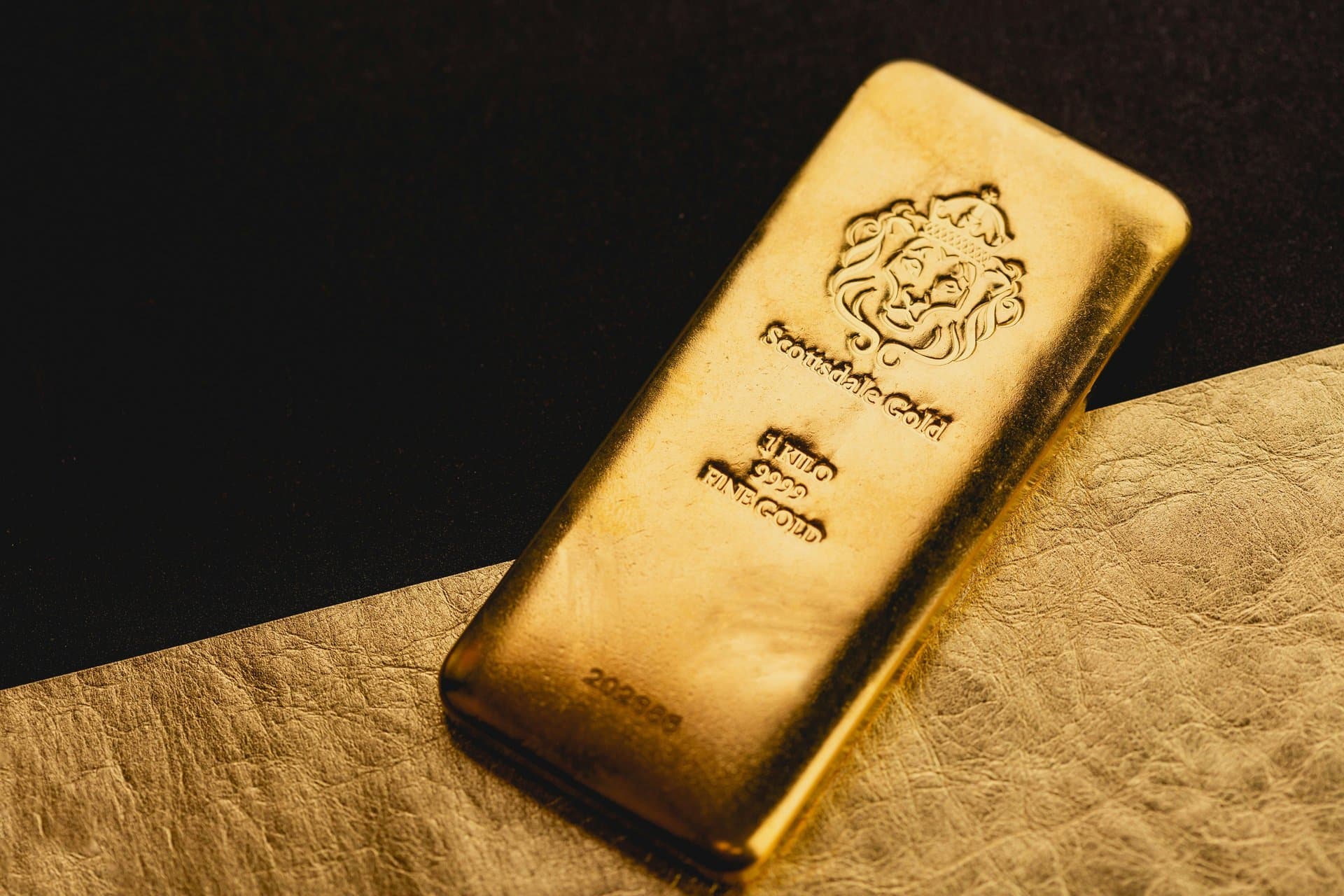
Gold has been the glittering star of 2025’s markets, soaring roughly 46% higher than a year ago and hitting a record $4,381.58 per ounce in October. Yet, recent shifts in China’s tax policy have stirred the pot, ending long-standing value-added tax (VAT) rebates for gold retailers. This move, targeting non-investment gold like jewelry, nudges prices higher for Chinese consumers and sends ripples through global bullion markets.
Despite a shaky start to the week, gold prices have steadied around the $4,000 mark, reflecting a tug-of-war between strong underlying demand and new headwinds. The U.S. Federal Reserve’s rate cut and a rebounding U.S. dollar add layers of complexity, influencing investor sentiment and price momentum.
In this article, we unpack how China’s tax changes, macroeconomic forces, and market dynamics intertwine to shape gold’s current landscape. Whether you’re a seasoned investor or gold-curious, understanding these forces offers clarity amid the shimmer and shine.
Tracking Gold’s Price Stability
Gold’s price has been a rollercoaster in 2025, climbing roughly 46% year-to-date and peaking at an all-time high of $4,381.58 per ounce in October. Yet, after a brief stumble below $3,900 following a U.S. Federal Reserve rate cut, gold bounced back to hover steadily around $4,000. This resilience tells a story of a market that’s digesting both bullish fundamentals and emerging challenges.
Imagine gold as a seasoned marathon runner pacing itself. The initial sprint was fueled by retail buying frenzies and safe-haven demand. But now, the runner faces a hill: China’s tax policy shift. Despite this, gold’s steady footing near $4,000 shows investors still value its protective qualities.
This stability also reflects the tug between lower interest rates, which typically support gold by making non-yielding assets more attractive, and a stronger U.S. dollar, which often weighs on gold prices. The market’s dance between these forces keeps gold’s price in a tight range, inviting investors to watch closely for the next move.
Understanding China’s Tax Policy Shift
China’s recent decision to end a long-standing VAT rebate for some gold retailers marks a significant turning point. Previously, companies producing non-investment gold—like jewelry and electronics—could offset 13% of the VAT. Now, that offset drops to 6%, effectively raising costs for sellers and, ultimately, consumers.
This change is more than a tax tweak; it’s a price nudge that could cool demand in one of the world’s largest gold markets. Chinese jewelry stocks reacted sharply, with major players like Chow Tai Fook and Chow Sang Sang tumbling between 8% and 12%. The industry faces pressure to pass these costs to customers, potentially dampening retail appetite.
Think of it as a rising toll on a busy highway. Drivers (buyers) might seek alternate routes or reduce trips. For gold, this means demand could soften, influencing global prices. Yet, the immediate impact on gold’s international price remains muted, as other factors keep the market buoyant.
Navigating Macroeconomic Crosswinds
Gold’s journey isn’t shaped by China alone. The U.S. Federal Reserve’s recent rate cut, signaling a pause in further reductions, adds a complex layer. Lower interest rates usually make gold shine brighter by lowering the opportunity cost of holding it. But the simultaneous rebound in the U.S. dollar index creates a counterbalance, often pushing gold prices down.
This push and pull can feel like a seesaw. On one side, cheaper borrowing costs encourage gold buying; on the other, a stronger dollar makes gold pricier for holders of other currencies, cooling demand. Add to this the easing of U.S.-China trade tensions and tariff truces, which reduce safe-haven buying, and you have a market navigating multiple currents.
Investors watching this scene might feel like captains steering through fog—uncertain but alert. The interplay of monetary policy, currency strength, and geopolitical calm shapes gold’s near-term path.
Assessing Gold’s Market Outlook
Analysts offer a spectrum of forecasts reflecting gold’s complex backdrop. Trading Economics projects gold to hold around $4,046 by quarter-end and climb to $4,260 within a year if current trends persist. Meanwhile, J.P. Morgan Research sees a bullish long-term trajectory, expecting averages near $3,675 in late 2025, rising toward $4,000 by mid-2026, driven by structural bull factors like recession risks and geopolitical tensions.
Yet, caution flags wave too. GoldPriceForecast.com warns of a possible correction if the U.S. dollar rally accelerates, suggesting the market’s bullishness might have peaked. This mix of optimism and caution paints gold as a market of contrasts—ripe with opportunity but not without risk.
For investors, this means gold isn’t a one-way street. It’s a terrain where timing, global events, and policy shifts matter deeply. Staying informed and flexible is the best compass to navigate these twists.
Weighing Sector-Wide Impacts
China’s tax policy ripple extends beyond gold prices to the jewelry sector and broader markets. Higher domestic gold prices could squeeze consumer demand, pressuring retailers and potentially shifting import-export flows. The sharp declines in major Chinese jewelry stocks underscore this strain.
Central banks, meanwhile, remain net buyers of gold, though sustained high prices might temper their accumulation pace. Investors see increased trading volumes in gold ETFs and futures, reflecting heightened market activity and volatility.
This dynamic is a reminder that gold’s story is multi-layered. It’s not just about price tags but about industries, policies, and investor behavior all weaving together. For those invested in or watching gold, understanding these sector-wide currents offers a richer picture of what’s at stake.
Long Story Short
Gold’s resilience near $4,000 per ounce underscores a market balancing act. China’s withdrawal of VAT rebates on gold sales introduces fresh cost pressures that could temper domestic demand, while global investors watch closely. The recent tumble in Chinese jewelry stocks signals real economic shifts, yet gold’s safe-haven allure remains intact amid geopolitical and monetary uncertainties. Looking ahead, the interplay between U.S. monetary policy, the strength of the dollar, and China’s evolving market stance will be pivotal. Investors should keep a keen eye on these factors as they navigate gold’s shimmering yet sometimes unpredictable path. For those holding or eyeing gold, this moment is a reminder: beneath the glitter lies a complex dance of policy, demand, and global sentiment. Staying informed and adaptable is the key to turning gold’s sparkle into lasting financial insight.