Homebuilder Sentiment Hits a 14-Year Low as Price Cuts Spread
Unpack why homebuilder sentiment has hit a 14-year low as mortgage rates above 7% and rising costs push more builders to slash prices and stack incentives for buyers.

Key Takeaways
- Builder confidence has sunk to a 14-year low, and the thermostat is stuck in the cold zone.
- Mortgage rates above 7% are the toll booth keeping buyers from the front door.
- Discounts and sweeteners are now routine, with 68% of builders offering incentives.
- Costs, labor shortages and tariffs squeeze builders from the supply side while buyers hold back.
- The West and the South are feeling the chill most.
- Buyer traffic is at its weakest since the pandemic began, which hands patient shoppers real negotiating leverage.
Imagine running a business where the shoppers have gone quiet and your supplies keep getting pricier. That's the daily reality for US homebuilders right now.
Builder sentiment has dropped to a 14-year low, with mortgage rates above 7%, labor shortages and elevated supply costs all piling on. Builders are answering with markdowns and sweeteners to coax buyers back through the door.
Behind the headline sits a story about rates, wages, tariffs and nerves. We've pulled together the key readings from CNBC and Bloomberg, which differ slightly on the exact index score, to show what's really happening. Let's get started.
Homebuilder Sentiment Hitting Bottom
Builder mood has gone from cautious to gloomy. Think of the housing index as a thermostat that builders check every month, and right now the needle sits deep in the cold zone, stuck at a level not seen in over a decade.
CNBC puts the NAHB/Wells Fargo index at 25, while Bloomberg's readout lands at 29. Either way, it's the weakest since 2012, back when the market was still climbing out of the housing crash and the foreclosure crisis. Builders haven't felt this uneasy in years.
Anything below 50 means more builders see conditions as poor than good, and this index has stayed under that line for more than two years. That's not a dip or a bad month. It's a long, grinding winter.
Mortgage Rates Squeezing Buyers
A mortgage rate is the toll booth on the road to a front door, and the toll just went up. Buyers who were ready to pay last year's price now face a very different monthly bill, and plenty are turning the car around.
The average 30-year fixed rate hit 7.51% on Monday, per Mortgage News Daily, versus 6.38% a year earlier. A brief pullback in October vanished last week, and prospective buyer traffic sank to its lowest level since the pandemic began. Builders feel that silence first.
Yet rates are only one weight on the scale. Weaker consumer confidence and an uncertain economic outlook keep even willing buyers parked on the sidelines. As NAHB chief economist Robert Dietz puts it, demand persists, but it isn't showing up at the sales office.
Builders Slashing Prices and Incentives
When customers stop walking in, builders start marking down. Discounts have become the new curb appeal, a bright sign saying the sticker price was always an opening bid rather than the final word, and buyers know it.
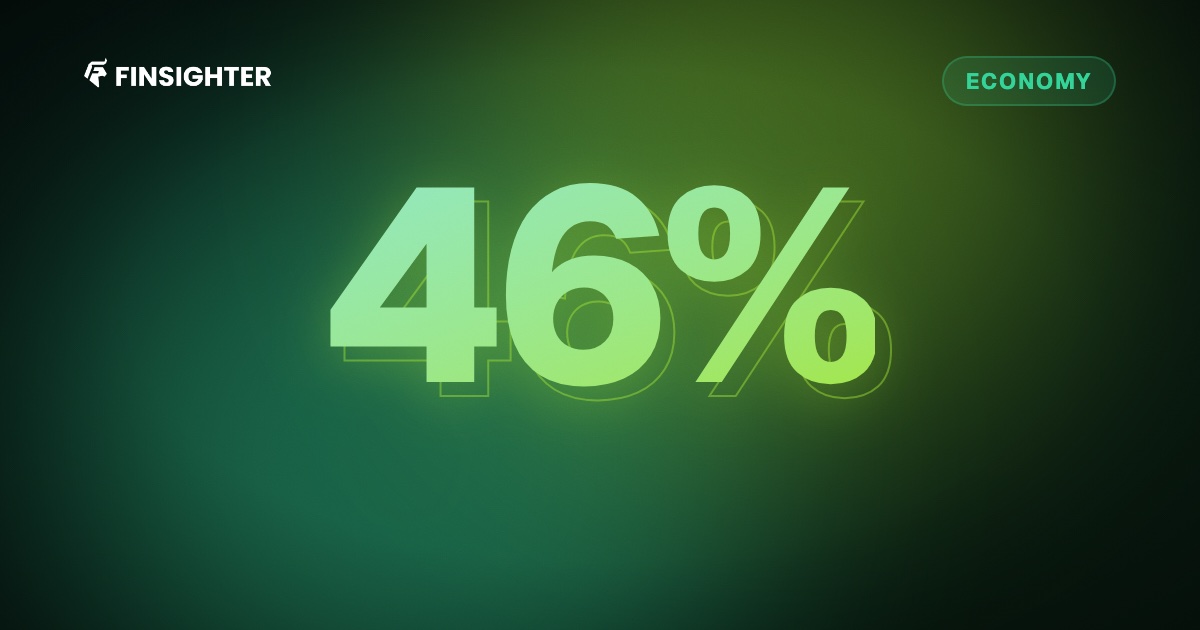
CNBC reports 46% of builders cut prices in November, the highest share of the post-Covid period, while Bloomberg's tally lands at 43%. Incentives are even more common: 68% of builders used them, the 20th straight month of heavy use. Sweeteners are now the norm, not the exception.
The catch is that every discount comes out of the builder's pocket. Elevated new-home inventory and high borrowing costs squeeze operating margins, and investors have noticed: the iShares US Home Construction ETF has declined steadily over the past three months.
Homebuilder Sentiment Sinking Under Costs
Building a house is a relay race, and every runner is suddenly asking for a bigger cut. Materials, labor and fuel all want more before a single buyer signs, and the baton keeps getting heavier.
NAHB chairman Bill Owens says stepped-up immigration enforcement is keeping legal workers off job sites, which deepens labor shortages and drives up costs. Higher fuel prices are pushing subcontractors to raise their rates sharply, while tariffs push building material costs higher, according to chief economist Robert Dietz.
Builders end up squeezed from both ends: costs climb on the way in, and buyers hesitate on the way out. With fewer buyers in the market, more builders are scaling back construction, and Dietz adds excessive regulations to the list of affordability drags.
Regional Markets Feeling the Chill
The chill isn't spread evenly. Picture a cold front sweeping across the map: some regions get a light frost, others get the full blizzard, and builders in the worst-hit spots feel it in every showing.
Bloomberg says builder confidence in the South was the weakest since mid-2012, while the West slumped 10 points to its lowest since the end of 2011. CNBC's three-month averages back up the pattern, with the West at 23, the lowest of the four regions.
The Midwest slipped in both reports. The two sources disagree on the Northeast, with one showing a slip and the other a gain, so treat the regional map as a rough sketch rather than a street-by-street survey.
Long Story Short
Strip away the jargon and the message is blunt. Builders are watching traffic thin out, costs climb and margins shrink, and nearly half are cutting prices to keep deals alive. It's less a crash than a standoff. For buyers, the shift is a quiet gift of leverage. Ask about price cuts and incentives, since 68% of builders are already offering them, and run the monthly payment at today's 7.51% rate rather than last year's. For investors, the ETF's three-month slide shows the pessimism is already visible in prices. The next housing starts and building permits data, plus pending-home sales from the National Association of Realtors, will show whether the freeze is deepening. Until rates, costs and confidence move, the market stays in a waiting room, and patience beats panic.