How AI-Powered Robotics Are Revolutionizing Manufacturing Speed
Discover how AI-powered robotics and algorithms are accelerating factory production for shampoo, dog food, and more, reshaping manufacturing with speed, flexibility, and smarter workflows.

Key Takeaways
- AI robotics cut production cycle times significantly
- Physical AI enables robots to adapt on the fly
- Vision systems reduce setup times and errors
- Cloud platforms optimize robotic workflows continuously
- AI adoption boosts flexibility for customized products
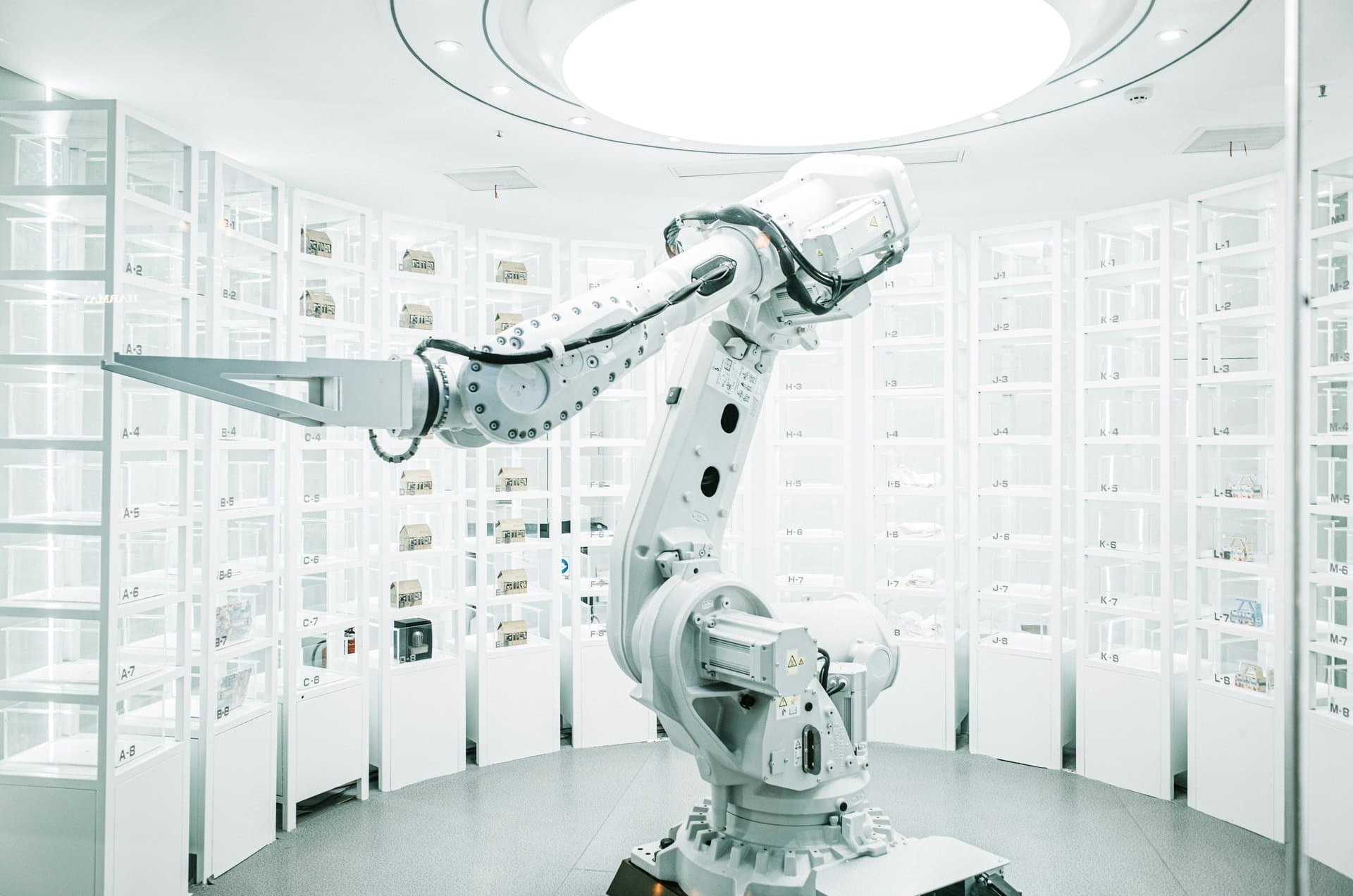
Manufacturing is no longer just about machines repeating the same motions. Thanks to AI-powered robotics and smart algorithms, factories producing shampoo, dog food, and other everyday goods are speeding up like never before. This isn’t sci-fi—it’s happening now, with companies like Bausch + Lomb and Spot & Tango leading the charge.
From predicting machine hiccups before they happen to robots that ‘see’ and adjust in real time, AI is rewriting the rules of production. This article dives into how these innovations are transforming factory floors, making manufacturing faster, smarter, and more flexible.
We’ll explore the core AI technologies powering this revolution, the real-world impacts on speed and customization, and the challenges factories face as they embrace this new era of intelligent automation.
Harnessing Physical AI
Imagine robots that don’t just follow orders but sense and adapt like a seasoned craftsman. That’s physical AI in action—a blend of artificial intelligence, sensors, and robotics hardware that lets machines perceive their environment and respond dynamically.
For example, factories making shampoos or pet food often juggle many product variations. Physical AI enables robots to switch tasks quickly without lengthy reprogramming. This agility slashes downtime and keeps production humming.
At Automate 2025, cycle times in complex welding cells dropped by 25% thanks to AI-powered path planning. Robots now calculate the best moves in hours instead of days, boosting throughput and safety. This leap forward means factories can handle more variety with less fuss, turning what used to be a headache into a smooth dance.
Seeing Smarter with Vision Systems
Robots with smart vision systems are like having eagle eyes on the factory floor. These systems let robots ‘see’ moving parts on conveyor belts and adjust instantly, avoiding collisions and reducing setup times.
Take Inbolt’s technology, which helps robots adapt in real time rather than relying on fixed stations. This flexibility is a game-changer for industries where products change fast, like custom shampoos or specialty pet foods.
FranklinWH Energy Storage uses AI-enabled visual inspection to monitor lithium battery production, flagging quality issues that humans once spotted manually. This continuous learning from production data means fewer defects and smoother workflows—proof that seeing smarter leads to working smarter.
Accelerating Production Speed
Speed is the name of the game in modern manufacturing, and AI is the turbocharger. Bausch + Lomb’s CEO Brent Saunders shared how their AI software, Atlas, helped produce millions more contact lenses by predicting machine issues before they happen.
Spot & Tango’s dog food factory scaled production without hiring more staff by automating purchase orders and scheduling with AI tools. This means faster turnaround times and less human juggling.
The magic lies in cutting changeover times from hours to minutes, letting factories switch between products like shampoo and pet food on a dime. Faster production means meeting customer demand without the usual bottlenecks.
Boosting Flexibility and Customization
Consumers crave personalized products—think custom shampoos or tailored pet food blends. AI-powered robotics make this possible at scale.
Prose, a beauty brand, cut its production markup from $5 to under $1 by automating formula mixing and bottle filling, supported by 200 AI algorithms for demand planning and predictive maintenance. Now, 90% of their production is automated.
This flexibility means factories can pivot quickly to new recipes or packaging without costly downtime. It’s like having a factory that can shape-shift to customer needs, turning customization from a luxury into a standard.
Navigating Adoption Challenges
Not all AI promises pan out overnight. Spot & Tango’s COO Dylan Munro remains cautious, noting some AI vendor solutions face technical hurdles or slow worker adoption.
They piloted AI tools for three months before rolling them out widely, ensuring real-world fit. This careful approach avoids costly missteps and builds trust among employees.
Meanwhile, workforce shifts mean machine operators become robot technicians, and maintenance teams lean on predictive analytics. Reskilling is no longer optional but essential. The smartest factories blend innovation with patience and people-focused strategies to thrive.
Long Story Short
AI-powered robotics and algorithms are not just speeding up manufacturing—they’re redefining what factories can do. From Bausch + Lomb’s millions of contact lenses produced thanks to predictive AI, to Spot & Tango’s automated supply chain scaling dog food production without extra hires, the proof is in the output. This transformation brings efficiency, cost savings, and the agility to meet ever-changing consumer demands. Yet, it also calls for thoughtful adoption and workforce reskilling to unlock its full potential. As AI continues to evolve, manufacturers who blend innovation with strategic planning will lead the next wave of industrial productivity. The future of factory floors is smart, fast, and flexible—and it’s already here.