Nvidia Stock Is Cheaper Than Kleenex's Maker Despite the AI Boom
Unpack why Nvidia stock now trades at a lower forward multiple than Kleenex's maker even as AI sales roar, and what that gap says about fear, fundamentals and your portfolio.

Key Takeaways
- Nvidia's forward multiple slipped below Kimberly-Clark's, a sign of nerves rather than a sales collapse.
- Data Center revenue is growing faster than most investors dared to expect, and the business keeps delivering.
- Against AMD, Nvidia is growing faster and still costs far less on forward earnings.
- Position size decides whether a drop is a bruise or a body blow.
- Separate market fear from business risk before you touch the sell button.
- A cheaper stock is not automatically a bargain, so decide your buy price in advance.
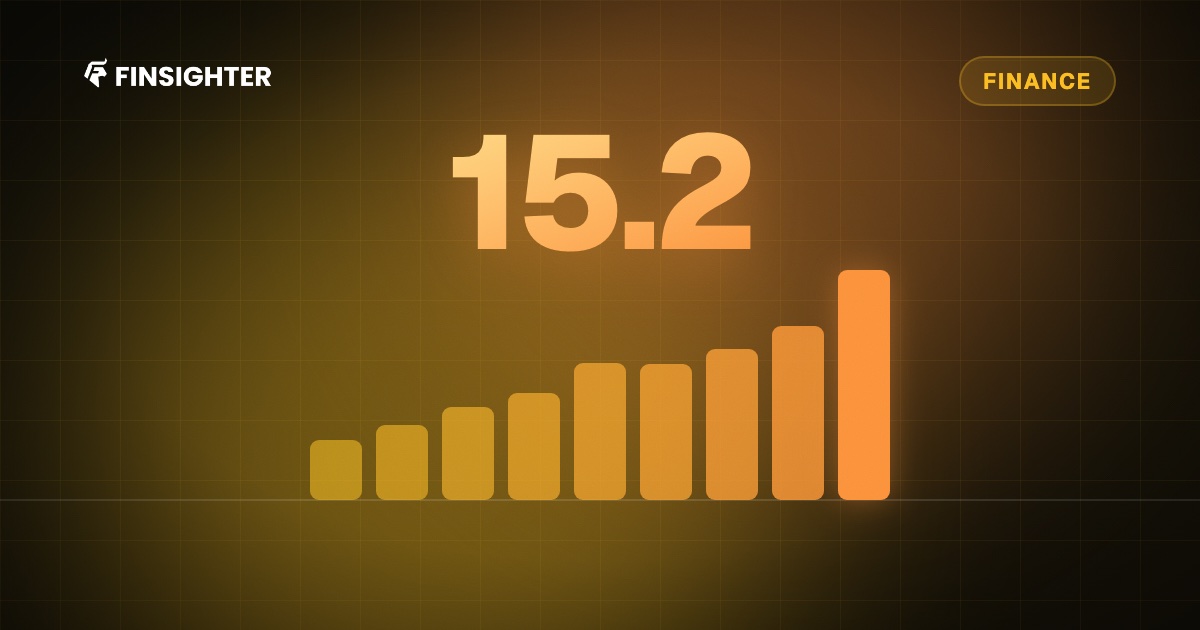
Nvidia's stock just did something odd: it got cheaper than the maker of Kleenex and Cottonelle. The chipmaker at the centre of the AI boom now trades at a lower forward earnings multiple than a company selling toilet paper.
Meanwhile, the business keeps posting sales that read like typos. So is Wall Street spotting a crack, or panicking in public? The honest answer sits somewhere between fear and fundamentals.
We pulled three views together to separate market mood from business reality. Let's get started.
Reading Nvidia's Sales Surge
Think of Nvidia's latest quarter as a restaurant with a line around the block and no off-peak hours. Revenue surged 106% year over year to $96.2 billion, a pace that makes ordinary growth look sleepy.
The engine is the Data Center division, where demand for AI computing infrastructure pushed revenue up 117%. GPU chips, networking products and software all feed the same machine, and close ties with major customers keep the orders flowing.
Yet a packed dining room is no guarantee. Customers can trim budgets and rivals keep closing in, so the real question is whether the business is cracking or only the share price. Those two stories are not the same.
Pricing Nvidia Stock Below Staples
Picture a shopper skipping the shiny gadget aisle for tissues. That is roughly what Wall Street did on a recent Thursday, when Nvidia's forward price-to-earnings ratio slid to 15.2, under Kimberly-Clark's 15.5.
The tidy explanation is appetite for predictable demand, since nobody stops buying toothpaste because of data centre budgets. Investors pay roughly 35% more for a dollar of Procter & Gamble's expected earnings than for a dollar of Nvidia's.
Still, a cheaper multiple is not a verdict on the business. The ratio fell partly because the share price dropped and partly because analysts keep lifting their earnings forecasts. Cheaper does not mean broken, though it does mean the market has stopped paying for hope.
Weighing Nvidia Stock Against AMD
Nvidia and AMD both build GPUs, the workhorse chips of AI, and the usual script says the smaller player sprints faster. The law of large numbers backs that up. Except this script has gone off-book.
AMD's data center division is more than 10 times smaller, yet Nvidia's growth in the latest quarter was 117% against AMD's 107%. Meanwhile, AMD's other product lines grow more slowly and drag its overall pace below Nvidia's.
Logic says the faster grower earns the premium price tag. Instead, on forward earnings, AMD is roughly three times more expensive. The analyst behind that view expects the gap to close, though whether AMD falls or Nvidia rises is anyone's guess.
Sizing Your Nvidia Stock Position
A great company can still be a lousy bet when it swallows your whole portfolio. Position size, not just business quality, decides how loud a drop feels at night.
Run the arithmetic. If Nvidia makes up 40% of your holdings and its shares fall 50%, the total portfolio sheds 20%, with everything else unchanged. Few people feel calm about that, which is why trimming an outsize winner is sensible even when you stay optimistic.
But selling everything out of fear is its own mistake. If the business stays healthy and the position is manageable, holding through volatility is reasonable. The aim is not dodging every decline; it is avoiding a downturn that forces a decision you regret.
Preparing for the Next Wobble
Nobody holds a crystal ball, so build a shock absorber instead. Keep an emergency fund so an unexpected bill never forces a sale at a depressed price, and check whether your other holdings lean on the same AI spending boom.
Nvidia's 17 November earnings report was billed as the next big test. Analysts forecast earnings of $2.48 per share against $1.30 a year earlier, and Wall Street stays split, with Dan Ives warning of more pain and Tom Lee calling the sell-off an overreaction.
Decide in advance what price makes Nvidia attractive enough to add shares, and do not assume lower automatically means bargain. Weigh earnings, competitive advantages and risks to growth first, then buy gradually if the business stays strong.
Long Story Short
Strip away the noise and two things are true at once. Nvidia's AI business is booming, and its stock is priced like an everyday staple. Fear moved the share price faster than the fundamentals moved. So the practical move is a gut check, not a stampede. Size your position so a sharp drop does not rattle you, keep cash aside for real life, and write down the price that tempts you to buy more. The outlook stays unsettled, with analysts split between more pain and a rebound. Yet a market that prizes toothpaste over the AI engine has told you something about mood. Stay curious, stay diversified, and let the business, not the headlines, set your pace.