Oil Price Dips Signal OPEC+ Demand Slowdown and Surplus Ahead
Explore how OPEC+ production pauses and rising global supplies are shaping oil prices, with insights on demand trends and market surplus forecasts through 2026.

Key Takeaways
- OPEC+ pauses output hikes anticipating slower demand
- Brent crude prices forecasted to drop to $52 by 2026
- Non-OPEC+ producers, especially the U.S., drive supply growth
- Global oil inventories expected to rise, signaling surplus
- OPEC+ balances production to avoid sharper price declines
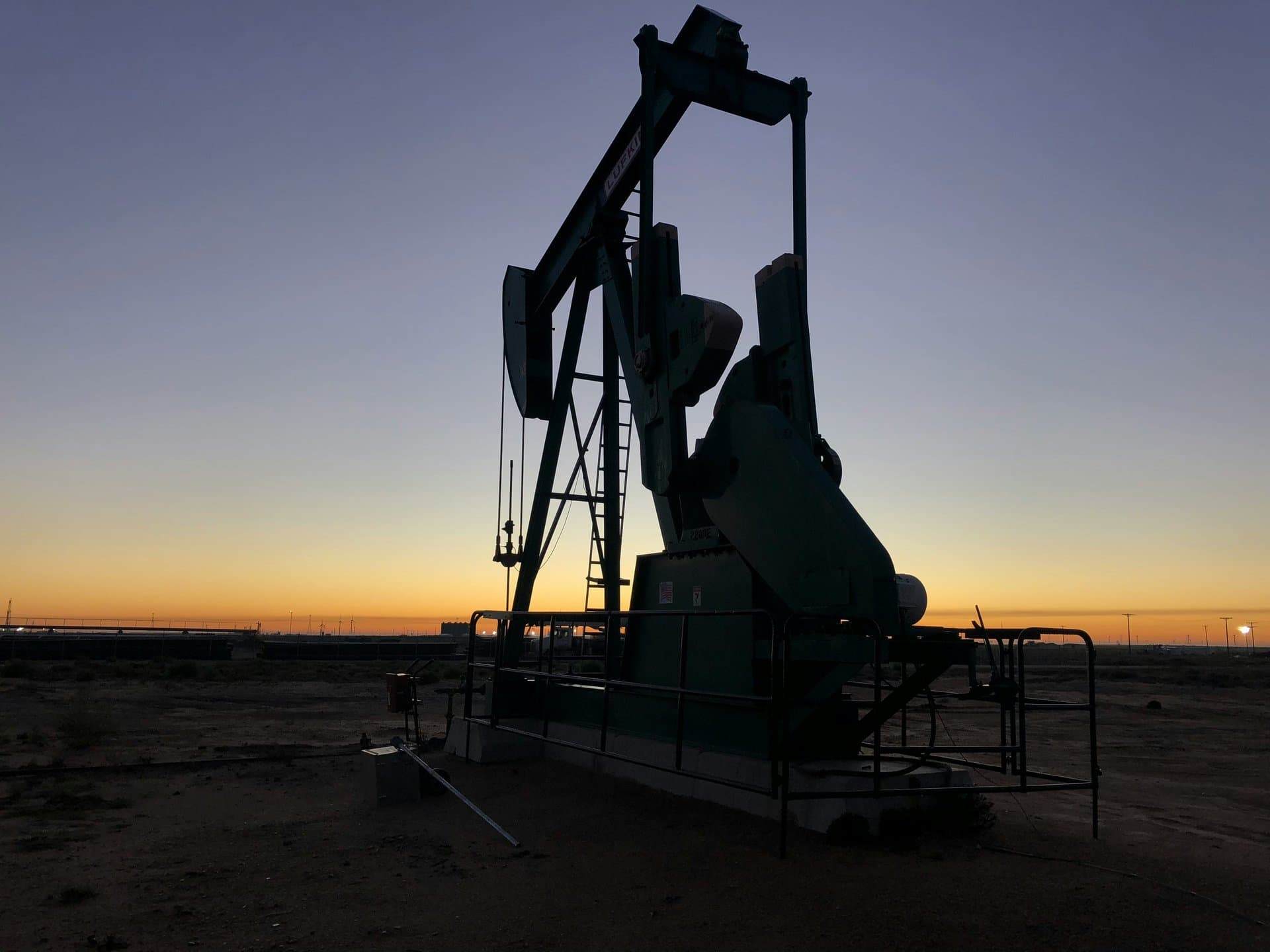
Oil prices have taken a notable dip as the OPEC+ alliance prepares to halt its output increases in early 2025. This pause reflects a strategic response to forecasts of slowing global demand and an expected surplus in oil markets. Brent crude, the global benchmark, has slipped below $65 a barrel, echoing concerns about rising inventories and expanding production both inside and outside OPEC+.
The U.S. Energy Information Administration (EIA) projects a steady decline in Brent prices, forecasting an average of $62 per barrel in late 2025 and a further drop to $52 in 2026. This outlook is shaped by OPEC+ unwinding earlier production cuts and non-OPEC+ producers, particularly the United States, ramping up output to record levels.
In this article, we’ll unpack the dynamics behind this oil price dip, explore how supply and demand imbalances are unfolding, and examine what this means for the global energy landscape through 2026.
Tracking Oil Price Trends
Oil prices have been on a rollercoaster, with Brent crude slipping below $65 a barrel after a brief rebound. This decline reflects a growing consensus that the market is headed for oversupply. The U.S. Energy Information Administration (EIA) forecasts Brent prices averaging $62 per barrel in the last quarter of 2025, falling further to $52 in 2026. These numbers aren’t just cold data—they tell a story of supply outpacing demand and inventories swelling.
Imagine the oil market as a busy marketplace. When too many sellers flood the stalls, prices naturally fall. That’s what’s happening now. The past three months saw Brent crude drop about 10%, as OPEC+ and other producers ramped up output. Even tighter U.S. sanctions on Russian oil, which briefly stirred supply concerns, couldn’t reverse the downward trend.
This price movement challenges the myth that oil prices only rise with geopolitical tensions. Here, rising production and slowing demand are the real puppeteers pulling the strings. For anyone watching the energy sector, these trends signal a cautious environment where price spikes may be less frequent and more nuanced.
Understanding OPEC+ Production Moves
OPEC+’s recent decision to pause output increases starting January 2025 is a strategic pivot. The alliance plans to add 0.6 million barrels per day in both 2025 and 2026 as it unwinds earlier pandemic-era cuts. Yet, actual production is expected to stay below these targets. Why? To avoid flooding the market and triggering a sharper price collapse.
Think of OPEC+ as a tightrope walker balancing between two cliffs: too much production risks crashing prices, while too little risks losing market share to nimble producers outside the group. This balancing act is complicated by internal challenges—some members still offset earlier overproduction, while others struggle to boost output.
Morgan Stanley analysts highlight that halting quota hikes sends a clear signal: OPEC+ is responsive to market conditions, not blindly following preset plans. This flexibility counters the myth that OPEC+ is a monolithic bloc. Instead, it’s a dynamic alliance adapting to shifting global demand and supply realities.
Non-OPEC+ Supply Surge
While OPEC+ adjusts its output cautiously, non-OPEC+ producers are charging ahead. The United States leads this surge, with crude oil production hitting a record 13.6 million barrels per day in July 2025. The EIA forecasts U.S. output to average 13.5 million barrels per day in both 2025 and 2026, sustaining historically high levels.
This surge is powered by technological advances and investments that keep U.S. shale fields humming. It’s like a well-oiled machine running at full throttle, adding roughly 2.0 million barrels per day to global supply in 2025 alone. Other non-OPEC+ producers also contribute, adding 0.7 million barrels per day in 2026.
This robust supply growth outside OPEC+ challenges the old narrative that OPEC+ controls the market. Instead, it’s a multi-player game where U.S. production plays a starring role, shaping price dynamics and market balances.
Navigating Demand Slowdown
Global oil demand continues to grow, but the pace is slowing. Economic uncertainties, shifts toward cleaner energy, and efficiency improvements are cooling the consumption engine. It’s like a car easing off the gas pedal rather than slamming the brakes.
This moderation in demand growth, when stacked against rising supply, creates a recipe for surplus. The EIA projects inventories will build through 2026, signaling more oil sitting on shelves than buyers need. This surplus puts downward pressure on prices, reinforcing the current dip.
This dynamic busts the myth that demand always races ahead of supply. Instead, the market is entering a phase where supply growth outpaces demand, forcing producers and consumers alike to recalibrate expectations.
Geopolitical and Strategic Factors
Beyond numbers, geopolitics and strategy add layers of complexity. OPEC+ producers like Saudi Arabia and Russia have historically used output adjustments to stabilize prices. But maintaining discipline is tricky—price incentives tempt producers to pump more, risking market imbalance.
Recent events, such as a Ukrainian drone attack damaging Russian oil facilities and U.S. sanctions on major producers, add uncertainty. Meanwhile, political tensions, like threats of military action in Nigeria, Africa’s largest oil producer, underscore how fragile supply chains can be.
Strategic reserves and energy security policies in consuming countries also play a role, though their effects tend to lag behind core market trends. These factors remind us that oil markets are not just about barrels and prices—they’re about power, politics, and planning.
Long Story Short
The recent dip in oil prices isn’t just a blip; it’s a clear signal of shifting tides in the global energy market. OPEC+’s decision to pause output hikes underscores a cautious approach amid slowing demand growth and looming surplus. Meanwhile, non-OPEC+ producers, led by the U.S., continue to push supply to historic highs, intensifying the market’s delicate balancing act. For investors and energy watchers, this means navigating a landscape where prices are pressured downward by rising inventories and moderated consumption growth. The alliance’s nuanced production strategy aims to soften the blow, but the surplus trend is poised to persist through 2026. Understanding these forces offers a roadmap to anticipate market moves and grasp the broader economic implications. The oil market’s story is one of adaptation and tension—where every barrel counts and every decision ripples across global economies.