Oil Prices Drop Amid OPEC+ Output Boost Plans in 2024
Explore how OPEC+ production increases and rising global supply are driving oil prices down for a third month, shaping market dynamics and corporate strategies in the 2024 oil landscape.

Key Takeaways
- Oil prices have declined for three consecutive months due to rising supply.
- OPEC+ plans to increase output by 137,000 barrels per day in December 2024.
- U.S. crude production hit a record 13.6 million barrels per day in late October.
- Major oil companies plan production growth in 2025 and 2026 despite current price weakness.
- Strong U.S. dollar and weak Chinese factory activity add downward pressure on oil prices.
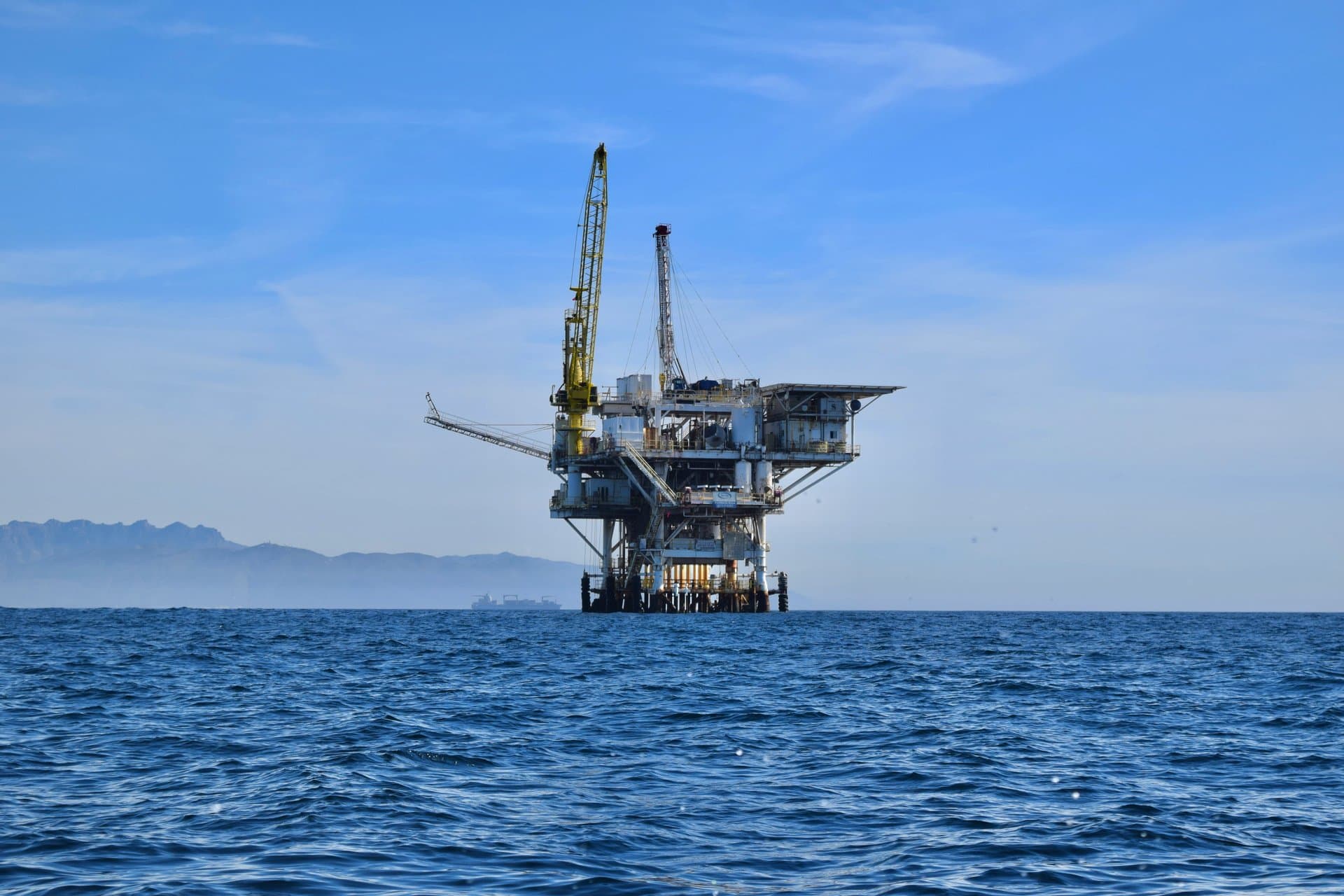
Oil prices have been on a downward slide for the third month running, painting a vivid picture of a market wrestling with oversupply and cautious demand. This trend unfolds as OPEC+ gears up to boost output by 137,000 barrels per day in December, a move that adds fuel to an already saturated market. Meanwhile, U.S. crude production has surged to a record 13.6 million barrels daily, underscoring the global supply glut.
The interplay of a strong U.S. dollar and shrinking factory activity in China further dims the demand outlook, keeping prices under pressure. Despite these headwinds, major oil companies like ExxonMobil and Chevron are ramping up production plans for the coming years, signaling a long-term bet on oil’s staying power.
In this article, we unpack the forces behind the oil price drop, dissect OPEC+ strategies, and explore how industry giants are navigating today’s challenges while preparing for tomorrow’s opportunities. Buckle up for a journey through the complex currents shaping the 2024 oil market.
Tracking Oil Price Declines
Three months of falling oil prices might sound like a red flag, but it’s more a tale of supply and demand playing tug-of-war. Brent crude slipped from over $67 per barrel at September’s end to $64.61, while West Texas Intermediate (WTI) dropped below $61. This steady slide reflects a market awash with oil, where supply outpaces the cautious demand growth.
Imagine a crowded party where everyone brings snacks—too many chips and dip, not enough mouths to eat. That’s the oil market now. OPEC+’s plan to add 137,000 barrels per day in December is like inviting more guests with their own trays. Add record U.S. production hitting 13.6 million barrels daily, and the buffet gets even fuller.
But it’s not just about numbers. The strong U.S. dollar makes oil pricier for buyers using other currencies, cooling demand further. Meanwhile, China’s factory activity shrank more than expected in October, signaling slower energy needs. These factors combine to keep prices on a downward path, challenging the myth that oil prices only rise with geopolitical drama.
Decoding OPEC+ Production Moves
OPEC+ isn’t just pumping oil for fun—they’re playing a strategic game. By boosting output now, they aim to reclaim market share, even if it means enduring lower prices short-term. It’s like a chess player sacrificing a pawn to control the board.
This approach erodes OPEC’s spare capacity, the safety net for sudden supply shocks. Yet, the cartel seems willing to absorb this risk, betting on future gains when demand tightens. Analysts note that this willingness to increase supply amid oversupply challenges the common belief that OPEC always cuts production to prop up prices.
The upcoming December output increase is a clear signal: OPEC+ is prioritizing presence over price. This strategy also reflects confidence that oil demand will remain resilient into the next decade, despite current economic headwinds. It’s a long game, and OPEC+ is positioning itself as a key player when the market swings back.
Understanding Corporate Production Strategies
Big oil companies like ExxonMobil, Chevron, Shell, BP, and TotalEnergies are not sitting on the sidelines. They plan to ramp up production by 3.9% in 2025 and 4.7% in 2026, fueled by recent investments and acquisitions. Think of it as planting seeds during a rainy season, expecting a harvest when skies clear.
Projects like Chevron’s Ballymore and Exxon’s Uaru field in Guyana are coming online, adding fresh barrels to the market. Meanwhile, acquisitions such as Exxon’s purchase of Pioneer Natural Resources boost capacity, though they don’t immediately flood the market with more oil.
Despite shrinking profits compared to the post-pandemic boom, these supermajors are doubling down on oil and gas, scaling back low-carbon investments and share buybacks. The rationale? Selling more barrels now to offset lower prices and prepare for a market rebound. It’s a balancing act between short-term financial pressures and long-term resilience.
Analyzing Macroeconomic and Demand Factors
Oil prices don’t move in a vacuum. The strong U.S. dollar acts like a price tag hike for buyers using other currencies, cooling global demand. Meanwhile, China’s factory activity shrank to its lowest in six months in October, with a PMI reading of 49 versus the expected 49.6, signaling slower industrial energy needs.
Sanctions on Russian oil producers like Rosneft and Lukoil have only nudged prices slightly upward. Market players remain unconvinced that Russian supply will drop significantly, especially since Russian oil flows to China weren’t part of recent U.S.-China talks. This dampens the impact of sanctions on global supply tightness.
The demand outlook is cautious. While global oil consumption grows slowly, regions like U.S. shale and new projects in Guyana and Brazil are expected to see growth decelerate later this decade. This paints a picture of a market where supply growth outpaces demand, keeping prices subdued.
Forecasting Oil Market Outlook
Looking ahead, the oil market faces an oversupply heading into 2026. With OPEC+ and non-OPEC producers increasing output, prices are expected to stay under pressure in the short to medium term. It’s like a river swollen with rain—flowing fast but not yet flooding.
However, analysts anticipate a market tightening by late 2026 or 2027 as spare capacity dwindles and demand catches up. Oil companies are positioning themselves with new capacity to capitalize when the tide turns. This long-term perspective challenges the myth that oil is a short-lived commodity; instead, it’s a cyclical player in a complex global economy.
For now, oversupply dominates, and only shifts in consumption, production cuts, or unexpected disruptions will alter the current trajectory. Staying informed on these dynamics is key for anyone tracking energy markets or investing in the sector.
Long Story Short
The oil market in 2024 is a masterclass in contrasts: prices falling amid rising production, and companies investing boldly even as profits shrink. OPEC+’s decision to increase output despite oversupply reveals a strategic play for market share rather than short-term gains. Meanwhile, record U.S. production and aggressive expansions by oil majors add layers to the supply puzzle. For investors and observers, the key takeaway is that today’s price weakness is not a sign of oil’s demise but a phase in a longer cycle. The erosion of OPEC+ spare capacity and slowing demand growth hint at a future where supply constraints could tighten the market. Until then, the oil sector balances on a knife-edge, managing immediate pressures while positioning for a rebound. Understanding these dynamics equips you to read the market’s signals with clarity. Whether you’re tracking energy stocks or simply curious about global economics, recognizing the interplay of supply, demand, and geopolitical moves will keep you ahead of the curve. The oil story of 2024 is still unfolding—stay tuned as the market navigates its next chapter.