Tech Stocks Slump: Why Wall Street's Worst Month in a Year Stings
Unpack why tech stocks sank as AI spending fears hit Intel, Alphabet and Amazon, and what the shift from hype to proof means for everyday investors.

Key Takeaways
- The AI trade just left the 'hopes and dreams phase' and entered the 'show me' phase.
- Intel's worst day since 1974 proves a strong quarter can't save a weak forecast.
- Negative free cash flow at Alphabet and Amazon turned AI spending from a flex into a worry.
- Microsoft's positive free cash flow shows investors still reward spenders who also earn.
- Money ran to defensive corners like consumer staples and government bonds.
- Retail investors are sitting on their hands, and the market notices.
Imagine cheering a runaway train for months, then suddenly asking to see the tickets. That's Wall Street right now. The Nasdaq just suffered its worst month in over a year as AI nerves roiled markets.
Intel, Alphabet and Amazon led the damage after earnings raised a nagging question about whether enormous AI spending will deliver the returns investors expect. Portfolio manager Joe Tigay calls it the move out of the 'hopes and dreams phase' and into the 'show me' phase.
Below, we unpack what broke, who held up, and what it means for your own portfolio. Let's get started.
Watching Tech Stocks Tumble
Wall Street just handed investors a cold shower. Think of the AI trade as a party where everyone cheered the music until the bill arrived, and Friday was the moment guests started checking their wallets.
The Nasdaq Composite fell 2.86% and the S&P 500 slid 1.82%, each posting its worst day since June. Only weeks earlier both indexes sat at record highs, and the Nasdaq now trails its peak by 7.8%.
Yet this isn't a collapse of faith in technology so much as a change in questions. Investors stopped asking how much is being spent and started demanding proof that the spending pays off, which is a far tougher exam.
Tracking Big Tech Cash Burn
Free cash flow is the money left in the till after the bills are paid, and Big Tech's tills are running thin. For years, advertising and retail businesses paid for the data center boom like reliable cash cows.
Alphabet has now posted consecutive quarters of negative free cash flow, something it had never done as a public company before this year. Amazon reported negative free cash flow of $42.4 billion over the past year as AI spending accelerated.
Microsoft is the contrast, announcing $18.6 billion in positive free cash flow, and its stock is down just 4% from its record. The market is sorting spenders from earners, and it isn't being gentle about it.
Reading the Intel Shockwave
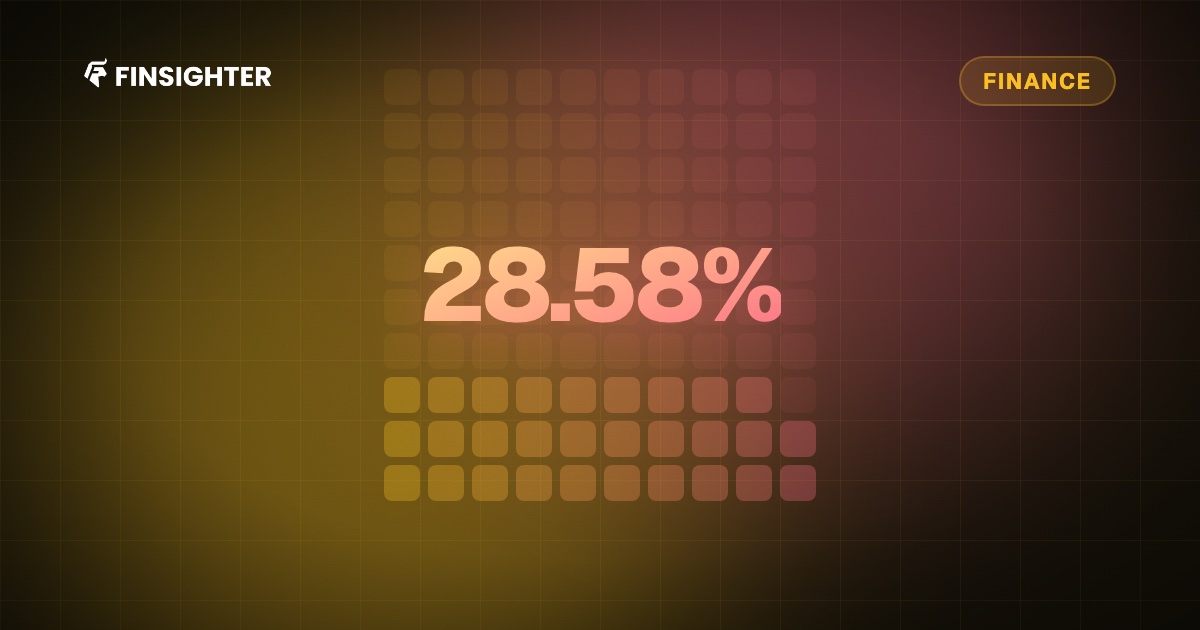
Intel's Friday was less a bad day than a trapdoor. Shares plunged 28.58%, the worst session since 1974, after a fourth-quarter forecast blamed a soft PC market, where pricier memory chips are squeezing consumer demand.
A day earlier, Alphabet sank by more than 12%, its worst day on record, wiping roughly half a trillion dollars off its market value. Investors worried about slowing search advertising and a steep ramp-up in AI spending, and management said strong AI Mode growth brought lower monetization.
Still, context matters. Despite losing nearly a third of its value, Intel is up 78% this year, so some of this is profit taking after a phenomenal run, not pure panic. Even great years eventually send a bill.
Sizing Up Tech Stocks Abroad
AI nerves don't respect borders. Think of the chip sector as a row of dominoes: when one tilts, the neighbors feel it. Nvidia slipped 4.2%, and a closely watched index of chipmakers sank 7.2%.
In China, the STAR 50 Index slumped 24% in October, a sharp reality check on extreme valuations, according to Morningstar's Chelsey Tam. Tencent and Alibaba also declined, though Morningstar sees both trading well below its fair value estimates.
Morningstar's analysts still call semiconductor stocks expensive even after the selloff, while leading Chinese internet names look cheaper. Cheap and expensive, it turns out, depend entirely on what you expect the AI payoff to be.
Weighing Retail Investor Retreat
Normally, small investors rush in to buy the dip like bargain hunters at a sale. This time the doors are mostly quiet, and hedge funds are pulling back on risk too.
Goldman Sachs analysts found US retail trading volumes down 20% since the summer. They point to weaker consumer sentiment, rising energy prices, and higher interest rates that make cash and bonds look more attractive.
Yet household demand has stayed robust, and it matters. The analysts expect the net supply of US equities to grow in 2027 by the largest margin since 2000, so households must keep buying to soak up the slack. Their appetite will shape valuations.
Long Story Short
The month's lesson fits in one sentence: the AI trade has moved from applause to audit. Cash burn, softer core businesses and higher interest rates turned a victory lap into a stress test. For everyday investors, the practical move is to look past the headline and study who actually generates cash. Microsoft's positive free cash flow shows that ambition and discipline can coexist, while negative free cash flow demands a better explanation. Defensive corners like consumer staples and government bonds drew money as tech sold off, a reminder that boring has its season. The outlook is unsettled but not hopeless. Paul Stanley of Arca argues the AI trade is down, but not out, and that pullbacks are par for the course. Patience, a healthy dose of skepticism and a diversified portfolio feel like the right companions for the road ahead.