UniCredit's Commerzbank Takeover Bid Wins EU Approval After Two Years
Explore how Brussels cleared UniCredit's Commerzbank bid with no conditions, why Berlin still holds a roughly 13% stake, and what the final approval step means for European banking.

Key Takeaways
- Brussels waved the UniCredit-Commerzbank deal through with no conditions and no competition concerns.
- The approval is a milestone, not a finish line: one final regulatory approval is expected by the end of November.
- Teresa Ribera backs cross-border banking scale but insists this is not blanket support for every bank merger.
- Berlin, with a roughly 13% stake in Commerzbank, rejected the bid in June, and the EU says it will 'react accordingly' if a government tries to block the deal.
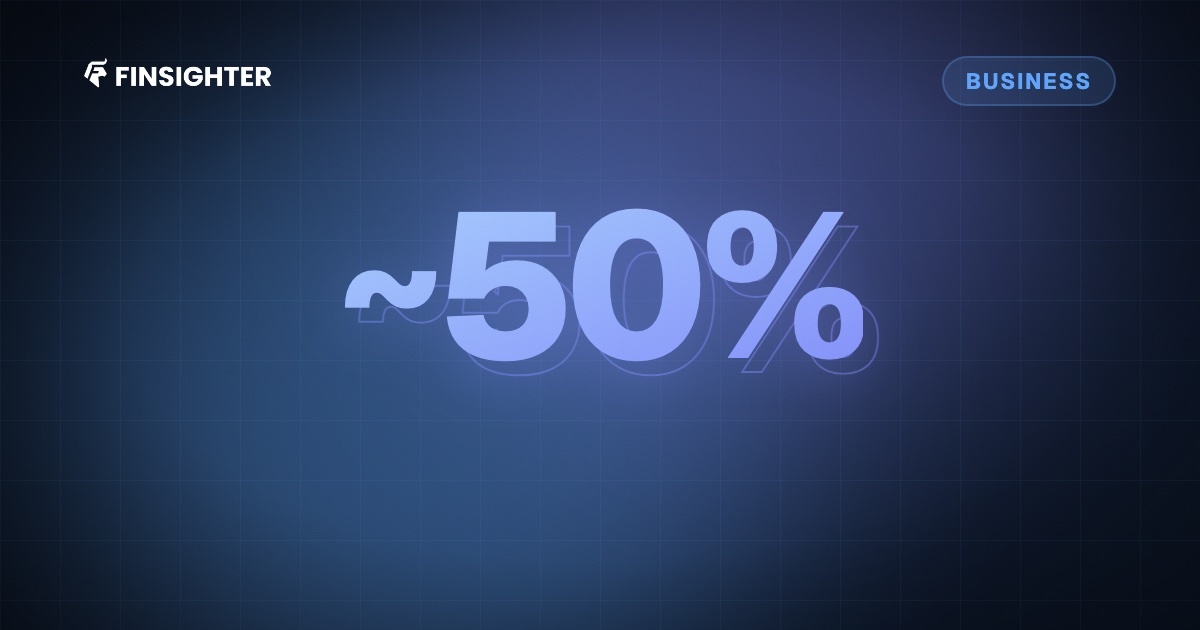
- UniCredit has built its stake to just under 50% over about two years, a patient campaign rather than a blitz.
Two years is a long time to chase a bank. UniCredit started building its Commerzbank stake in September 2024 and never really let go of the wheel.
On Monday, the European Commission handed the Italian lender its biggest regulatory win yet. It approved the takeover of control with no conditions and found no competition concerns.
The Federal Reserve's sign-off arrived the same day, and the European Central Bank had already said yes in October. Berlin, though, has not been so welcoming. Let's get started.
Clearing the EU Hurdle
Think of a merger review as a toll gate on a motorway: nothing moves until the barrier lifts. On Monday, Brussels raised it for UniCredit's Commerzbank bid, and it did so without attaching a single condition.
The European Commission found no competition concerns in the bloc, and UniCredit calls the clearance unconditional under the EU Merger Regulation. It follows the European Central Bank's October approval and a Federal Reserve sign-off announced the same day. Two more gates, already open.
Yet a cleared gate is not a finished journey. The decision removes a major competition hurdle but does not complete the acquisition, and one final regulatory approval is still outstanding, expected by the end of November.
Testing Commerzbank Competition Risks
Regulators love an overlap hunt. Here, the question was how much Commerzbank and UniCredit's German subsidiary, HypoVereinsbank, step on each other's toes across retail and corporate banking.
The Commission found that combined market shares stay moderate in German banking services. It also checked lending to small and midsize companies, an important customer group for both banks, and concluded that competition remains sufficient.
Trade finance drew the closest look, since both lenders hold strong positions in letters of credit and guarantees. But German private and public-sector banks, cooperative institutions and international lenders keep the exit doors open for customers who want to switch.
Backing Cross-Border Banking Scale
Size, in European banking, has become a kind of armour. Teresa Ribera, the EU's competition chief, framed the approval as proof that cross-border deals help lenders absorb economic shocks.
Her pitch was blunt: Europe needs stronger banks that can compete, grow and support businesses and families. Officials are also revamping the bloc's merger guidelines to let companies scale, so this clearance reads less like a one-off and more like a signal of appetite.
Still, Ribera stressed that the decision is not blanket support for every banking merger. Scale is welcome; a free pass is not. Each deal still has to survive its own competition test.
Facing Berlin's Resistance
Brussels said yes, but Berlin has played the reluctant host. Germany holds a roughly 13% stake in Commerzbank, which gives its objections real weight.
In June, Berlin rejected UniCredit's multibillion-dollar bid, citing what it called an aggressive approach. UniCredit began building its stake in September 2024 and has since pushed ownership to just under 50%, a slow-burn campaign stretching about two years.
Ribera told reporters the EU executive will 'react accordingly' if any national government seeks to block the merger. Commerzbank CEO Bettina Orlopp called the decision no surprise and said client service continues unchanged for the time being.
Closing the Commerzbank Bid
Every long chase has a final stretch, and this is it. UniCredit calls the approvals an important milestone that lets it proceed with the remaining steps towards completion of the offer.
The last regulatory approval is expected by the end of November. Markets noticed: UniCredit stock traded at 82.73 euros on Lang & Schwarz on Tuesday, November 17, the day after the news.
For Commerzbank customers, nothing changes yet. For everyone else, the open question is whether this deal becomes the template for European banking consolidation or stays the exception. Watch the final approval and Berlin's next move.
Long Story Short
The EU's verdict is clear: this deal does not squeeze customers. Moderate market shares, plenty of rival lenders and a clean, unconditional approval leave little room for doubt on the competition front. But a regulatory green light is not a completed takeover. One final approval is still outstanding, expected by the end of November, and Germany's roughly 13% stake and June rejection keep the politics very much alive. Ribera's promise to 'react accordingly' tells you Brussels expects to be tested. If you follow European banks, watch two things: the last approval and how Berlin responds. If you are a Commerzbank customer, the bank says service continues unchanged for the time being. Big deals feel dramatic from the outside, and the day-to-day often stays quiet until the paperwork is signed.