US House Delegation’s China Visit Signals New Era in Trade Talks
Explore how the bipartisan US House delegation’s landmark visit to China, led by Rep. Adam Smith, is reshaping trade dialogue and easing tensions between the world’s largest economies.

Key Takeaways
- First official US House visit to China since 2019 marks thaw in relations
- Bipartisan delegation led by Rep. Adam Smith meets Premier Li Qiang
- Discussions focus on trade, technology, and regional security issues
- Visit follows high-level calls between Presidents Trump and Xi Jinping
- Symbolic step toward stabilizing US-China economic and military ties
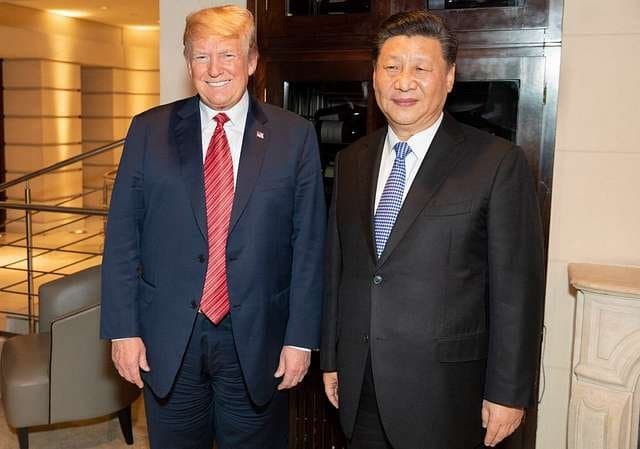
After a four-year diplomatic freeze, a bipartisan delegation from the US House of Representatives landed in Beijing, signaling a fresh chapter in US-China relations. Led by Rep. Adam Smith, a key figure on the House Armed Services Committee, the group met with Chinese Premier Li Qiang at the Great Hall of the People. This visit—the first since 2019—comes amid mounting tensions over trade, technology, and regional security, offering a rare moment of dialogue between the world’s two largest economies.
The delegation’s arrival follows a recent phone call between Presidents Donald Trump and Xi Jinping, hinting at a cautious thaw and the possibility of future high-level summits. Premier Li’s remarks about mutual respect and win-win cooperation set a hopeful tone, while Smith emphasized the need for open dialogue despite ongoing disagreements. This article unpacks the visit’s significance, the issues on the table, and what it means for the future of US-China economic relations.
Resuming Diplomatic Dialogue
The US House delegation’s arrival in Beijing marked the first official visit since 2019, breaking a diplomatic silence caused by the pandemic and escalating tensions. Imagine years of frozen talks suddenly thawing with a handshake at the Great Hall of the People. Rep. Adam Smith, leading the bipartisan group, highlighted the importance of this "ice-breaking trip" to rebuild trust. Premier Li Qiang’s warm welcome underscored China’s desire for mutual respect and peaceful coexistence.
This visit isn’t just a photo op—it’s a strategic move acknowledging that both nations have work to do. The delegation’s composition, mostly members of the House Armed Services Committee, signals a focus on military communication alongside economic ties. Smith’s concern about the lack of military dialogue reflects a broader anxiety: powerful militaries operating without enough conversation risk unintended conflict. The visit reopens channels that had been largely dormant, setting a tone of cautious engagement rather than confrontation.
Navigating Trade and Technology
Trade tensions have long been a thorn in US-China relations, with restrictions on semiconductor exports and debates over digital platforms like TikTok. The delegation’s talks with Premier Li likely touched on these sensitive topics, especially after President Trump announced Xi Jinping’s blessing for TikTok’s US operations sale to American investors. Yet, China’s Foreign Ministry emphasized the need for fair treatment and a non-discriminatory environment for its investors.
This push-and-pull reflects a deeper struggle over technological leadership and economic sovereignty. The US aims to protect its tech edge, while China seeks equitable access and respect for its interests. The delegation’s bipartisan makeup suggests a shared understanding in Congress that trade and technology issues require nuanced, ongoing dialogue—not knee-jerk policies. The visit’s timing, following high-level presidential talks, hints at a coordinated effort to find common ground amid complex disagreements.
Addressing Regional Security Concerns
Beyond economics, the delegation’s presence signals attention to regional security, a persistent flashpoint in US-China relations. China’s assertiveness in the South China Sea and the sensitive Taiwan issue remain unresolved tensions. Rep. Smith’s focus on military communication highlights the risks of miscalculation when two powerful militaries operate with limited dialogue.
The visit offers a rare opportunity to discuss how both nations can coexist without escalating conflicts. While no concrete agreements emerged, the willingness to engage at the legislative level complements executive efforts to stabilize the relationship. It’s a reminder that diplomacy isn’t just about trade—it’s about preventing misunderstandings that could ripple into global instability.
Symbolism and Future Prospects
Symbolism often carries weight in diplomacy, and this bipartisan delegation’s visit is no exception. After years of frozen ties, the face-to-face meetings with Premier Li Qiang send a message: dialogue matters. The bipartisan nature of the group, including members from both parties and various committees, reflects a rare consensus on the importance of engagement.
This visit sets the stage for future high-level meetings, including a proposed US presidential visit to China and discussions at the upcoming APEC summit in South Korea. While immediate policy shifts are absent, the groundwork laid here could ease tensions and foster cooperation on global challenges. It’s a reminder that even in fraught relationships, conversation is the first step toward progress.
Balancing Competition and Cooperation
The US-China relationship is a complex dance of rivalry and partnership. This delegation’s visit underscores the necessity of managing competition without tipping into conflict. Both sides acknowledge disagreements will persist, but open dialogue is crucial to navigating them peacefully.
The delegation’s emphasis on military communication and economic dialogue reflects a holistic approach to bilateral ties. It’s not about erasing differences but finding ways to coexist and collaborate where possible. This nuanced stance challenges the myth that US-China relations are destined for zero-sum conflict. Instead, it opens a door to pragmatic engagement that benefits global stability and economic growth.
Long Story Short
The US House delegation’s visit to China is more than a diplomatic formality—it’s a deliberate step toward easing years of tension and opening channels for constructive engagement. While no immediate breakthroughs were announced, the symbolism of bipartisan lawmakers meeting Premier Li Qiang underscores a shared recognition that dialogue is essential. Trade disputes, technology restrictions, and regional security remain thorny issues, but this visit lays groundwork for managing competition without conflict. Looking ahead, the proposed US presidential visit to China and upcoming meetings at the APEC summit will test whether this ice-breaking initiative can translate into tangible progress. For investors, businesses, and policymakers, the message is clear: cautious optimism and sustained communication are vital in navigating the complex US-China relationship. The relief of renewed talks offers a glimmer of stability in an otherwise uncertain global economic landscape.